For Environment, Democracy and Livelihoods
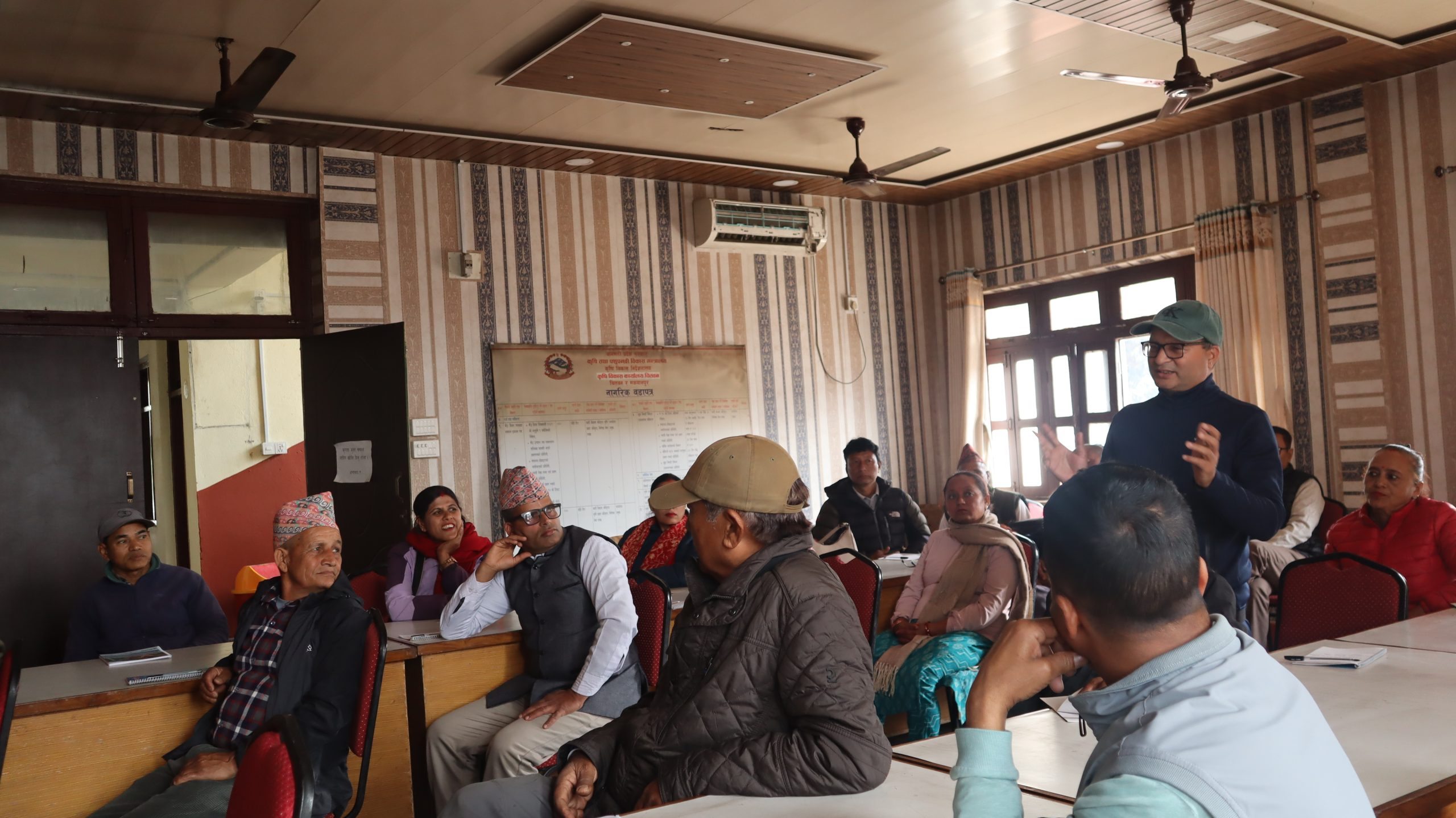
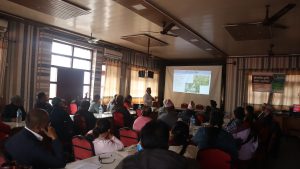
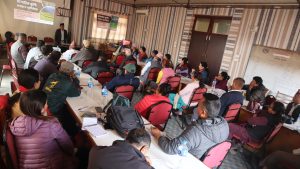
On 13 February 2026, ForestAction Nepal, in its role as the secretariat of the Alliance of Agriculture for Food (AAF), in collaboration with Jilla Prangarik Sangh Chitwan, organized a discussion program titled “Organic Agriculture: Scope and Challenges.” The event was held at the DADO Office in Bharatpur, Chitwan District, and brought together around 50 participants. Attendees included the Chief of the District Coordination Committee, Mr. Narayan Prasad Adhikari; the Head of the District Agriculture Development Office, Mr. Jhalak Nath Kadel; the Head of the Public Health Office, Mr. Nirmal Ghimire; Assistant Professor Mr. Ananta Subedi from the Department of Ecology at Agriculture and Forestry University; as well as farmers, cooperative representatives, other government officials, civil society actors, researchers, private sector stakeholders, members of the AAF secretariat and Jilla Prangarik Sangh.
The program aimed to create a shared platform for dialogue on the current status, opportunities, and challenges of organic agriculture in Chitwan and beyond. Representatives from Jilla Prangarik Sangh Chitwan presented the historical evolution of organic farming in the district, highlighting key milestones such as the formation of producer cooperatives, the implementation of participatory certification initiatives like Participatory Guarantee System (PGS) and Internal Control System (ICS), and the development of emerging market linkages. Practical experiences in collective marketing, internal control systems, and quality assurance mechanisms were shared as important measures to strengthen farmers’ bargaining power and reduce certification costs.
As the secretariat of the AAF, ForestAction Nepal delivered a presentation highlighting its mandate and ongoing efforts to promote agroecology from community to policy levels. The session introduced AAF and the secretariat’s role in facilitating policy research, dialogue, public advocacy, and participatory action research. It also highlighted the importance of linking grassroots experiences with policy processes to ensure relevant and actionable insights.
The formal presentations were followed by an open discussion session, during which guests and participants shared their perspectives and reflections. Mr. Narayan Prasad Adhikari, the chief of DDC, highlighted the urgent need to conserve and restore soil health. He emphasized that without protecting and nurturing soil, it is impossible to produce healthy food. Soil was described as a living system containing millions and billions of beneficial microorganisms, and it was widely agreed that only biologically active soil can sustain nutritious crop production, human health, and environmental balance.
Participants also highlighted the importance of integrating agriculture education into school curricula from the primary level. Introducing agriculture at an early stage was considered essential to inspire younger generations, build appreciation for farming, and encourage long-term engagement in sustainable agricultural practices.
Concerns were also raised regarding the limited research and technical support dedicated specifically to organic farming. Participants noted that government investment in organic-focused research, extension services, and capacity building remains insufficient. Policy inconsistency, frequent shifts in priorities, and the absence of a clear and comprehensive organic agriculture policy were identified as major institutional challenges. The continued subsidy support for chemical fertilizers, without comparable incentives for organic inputs, was highlighted as a structural barrier. In addition, weak coordination among government agencies and limited technical manpower at the local level were seen as constraints to effectively promoting and scaling up organic agriculture.