For Environment, Democracy and Livelihoods
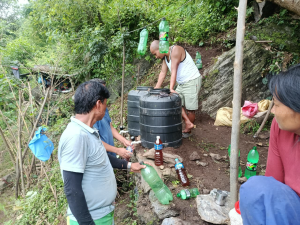
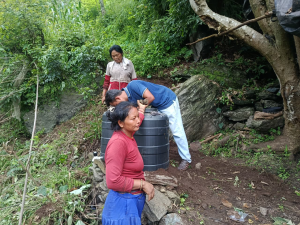
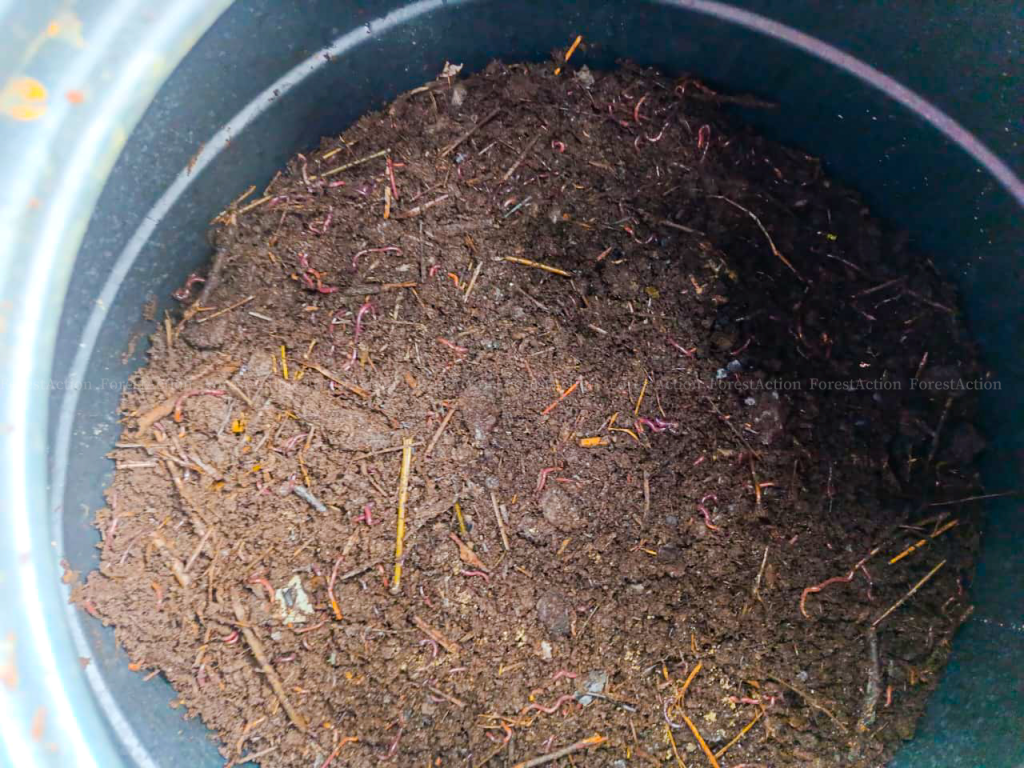
As part of its ongoing action research initiative, ForestAction, together with the Community Action Group (CAG) of Dhusa, Ichhakamana, Chitwan, has supported a significant step forward in generating locally grounded, evidence-based knowledge on sustainable farming inputs. Through this collaboration, CAG members have successfully prepared vermiwash and vermicompost tea, two potent liquid organic inputs, using earthworms and vermicompost sourced entirely from within their own community, marking a meaningful milestone in the group’s transition toward self-sustained, chemical-free agriculture.
The preparation of vermicompost tea utilized readily available vermicompost as the primary input, while vermiwash was produced through a process involving two types of earthworms: Eisenia foetida, a widely used species in vermiculture, and locally available earthworm species found within the Dhusa farming community. The use of local earthworm species alongside Eisenia foetida reflects the CAG’s commitment to exploring context-specific, resource-efficient approaches that farmers can replicate using what is already present in their environment.
Both products are now set to be applied directly in farmers’ fields, where their efficacy will be tested and observed under real agricultural conditions. This field-based testing is central to the action research approach being adopted by the CAG, one that prioritizes practical, farmer-led experimentation and knowledge generation over conventional top-down extension methods.
This initiative represents a step ahead in the CAG’s broader effort to transform their farming systems into self-sustained models that rely on locally available biological resources rather than externally procured chemical inputs. The findings from these field trials will contribute to building a locally relevant body of evidence that can inform and inspire wider adoption of vermiculture-based inputs among farming communities in Chitwan and beyond.