For Environment, Democracy and Livelihoods
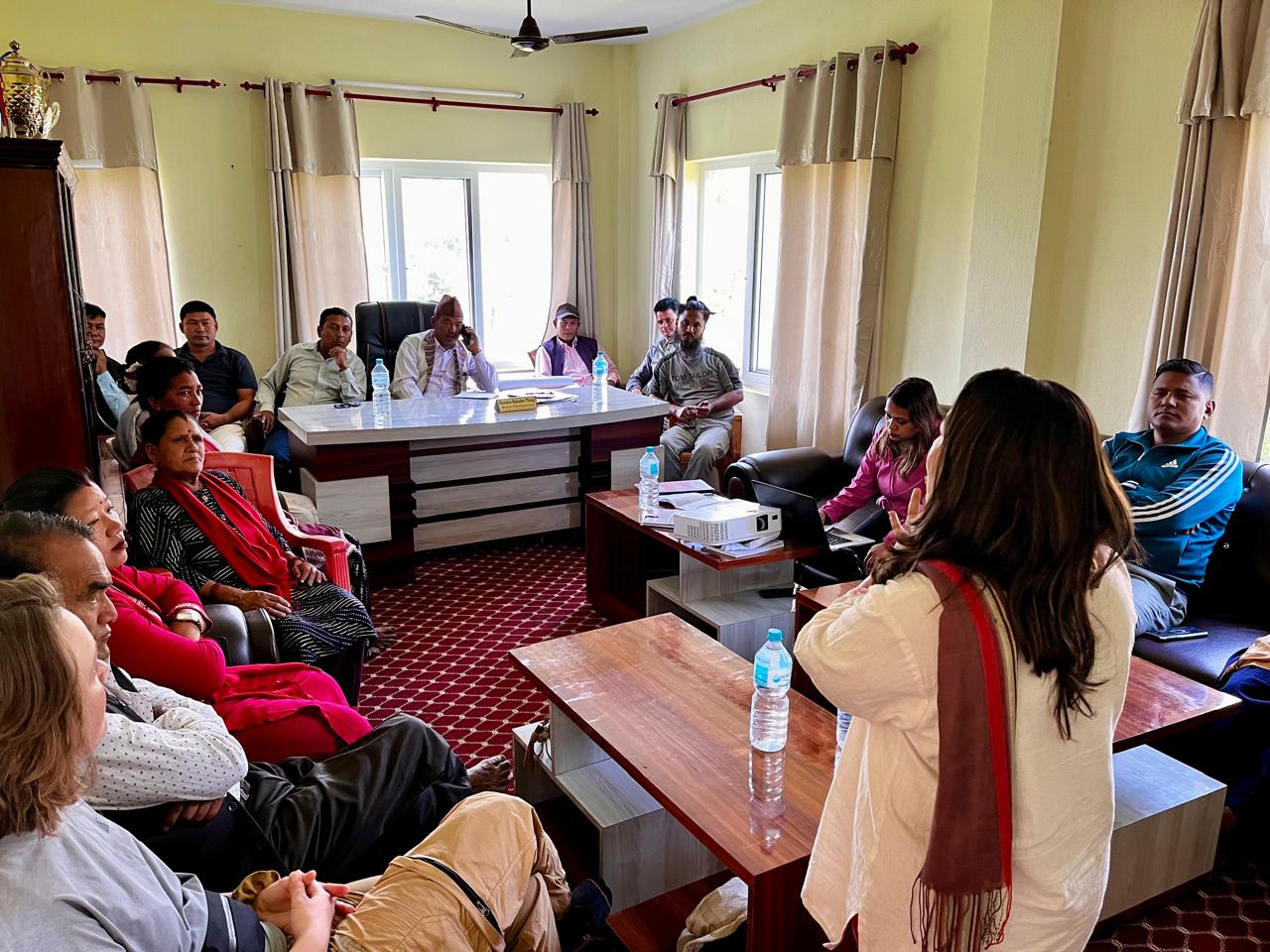
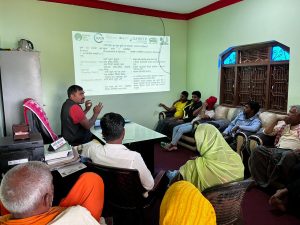
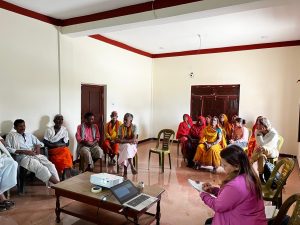
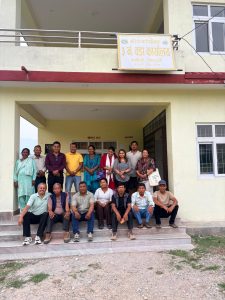
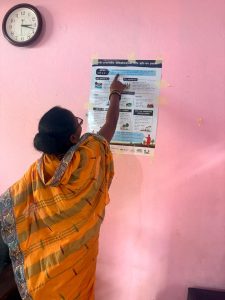
As part of the BAGAR Project, ForestAction Nepal successfully conducted ward-level agroforestry plan validation workshops across all 9 wards of Gadhimai Municipality (Rautahat) and 7 wards of Marin Rural Municipality (Sindhuli) from 28 March to 6 April 2026.
The process was carried out in close coordination with Ecosystem-based Adaptation (EbA) Forums, comprising elected representatives, municipal officials, technical staff, and local communities, ensuring inclusive and context-specific planning. A total of 251 participants (76 female and 175 male) actively contributed their perspectives, sharing local knowledge on land-use practices, applicable agroforestry systems, species preferences, financing options, and implementation challenges.
The discussions were highly ward-specific, enabling participants to reflect on their local contexts, priorities, and challenges. Communities from the Terai emphasised issues such as flooding, heat stress, and land degradation, while Chure-region communities highlighted recurring flooding along with soil erosion and slope instability. These differentiated perspectives ensured that agroforestry planning is tailored to local realities rather than following a uniform approach.
Participants also expressed diverse livelihood-based preferences for agroforestry systems. Some communities showed strong interest in livestock-based agroforestry systems, while others prioritised fruit-based and agricultural production systems to enhance household income and food security. However, there was a shared understanding across all wards-particularly in riverine and floodplain areas-that protective systems should be prioritised for long-term resilience, alongside productive components. In this context, discussions focused on promoting agroforestry through three complementary dimensions: productive functions (enhancing farm productivity and diversification), protective functions (soil conservation, flood and erosion control, and ecosystem restoration), and enterprise development (supporting value chains, tree-based livelihoods, and local income generation).
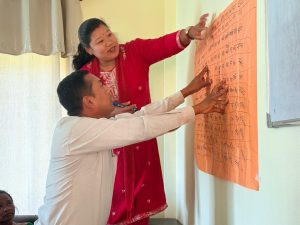
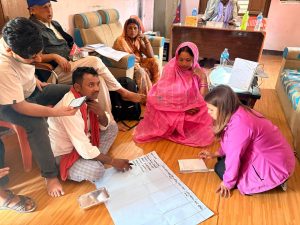
Field discussions further highlighted important social and institutional considerations, including language barriers, varying levels of participation, and differing expectations around support mechanisms. These insights reinforced the need for more inclusive facilitation approaches and locally grounded implementation strategies.
Despite these challenges, the validation process significantly supported in strengthening community ownership and local engagement, while demonstrating strong interest in agroforestry as a nature-based solution for climate resilience, sustainable land management, and livelihood improvement.
Overall, the ward-level consultations provided critical inputs for refining agroforestry planning and ensuring that proposed interventions are practical, context-specific, and aligned with local priorities.