For Environment, Democracy and Livelihoods
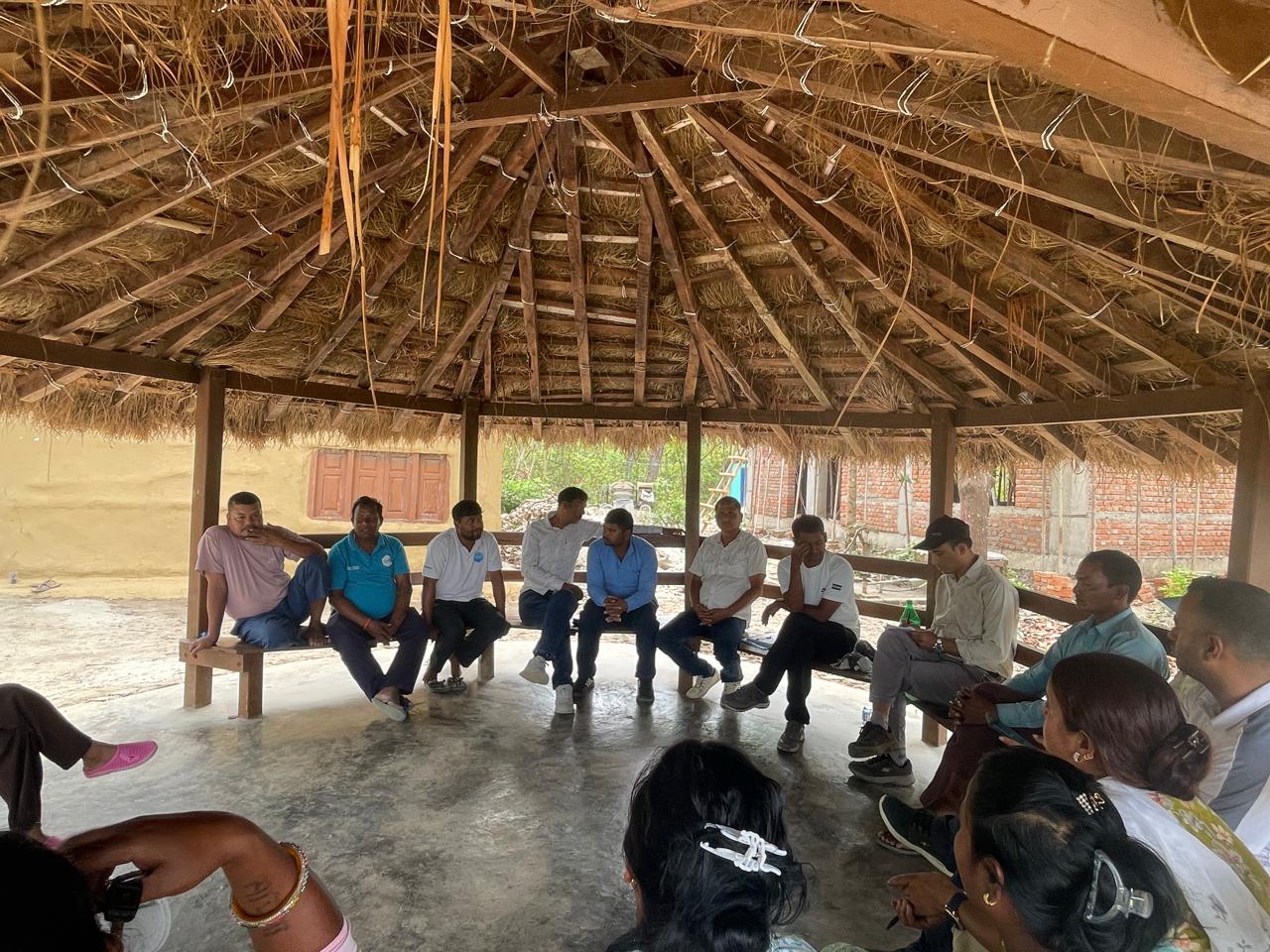
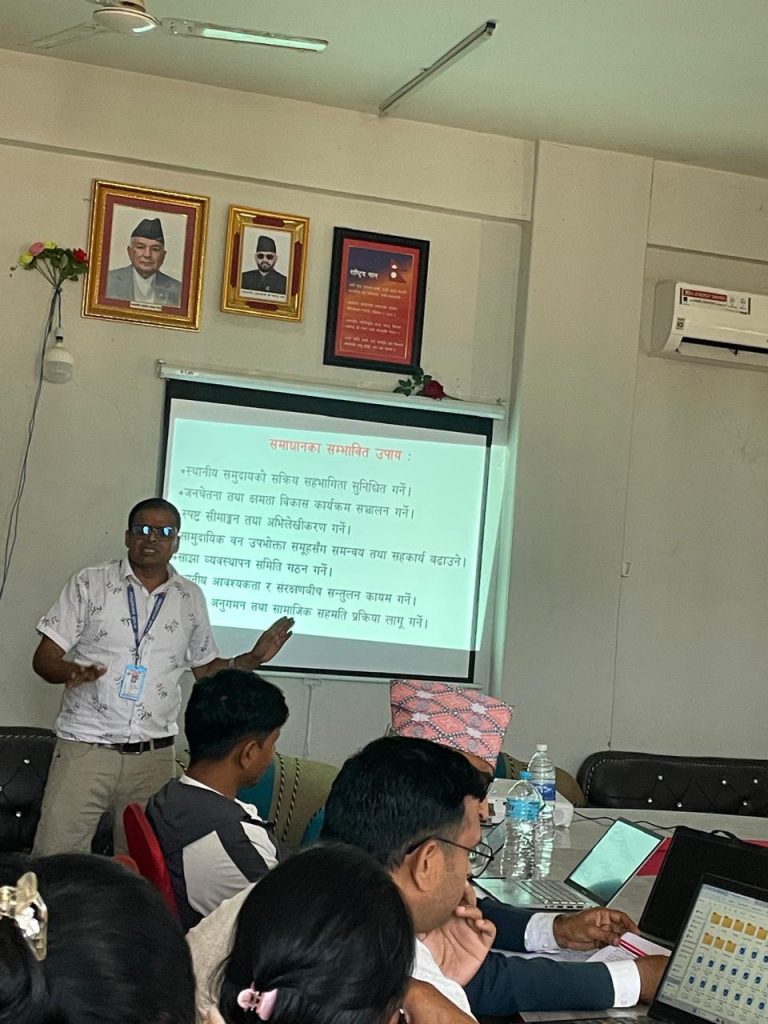
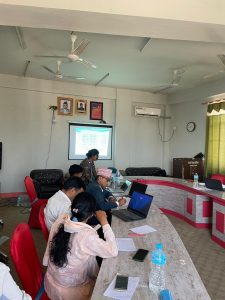
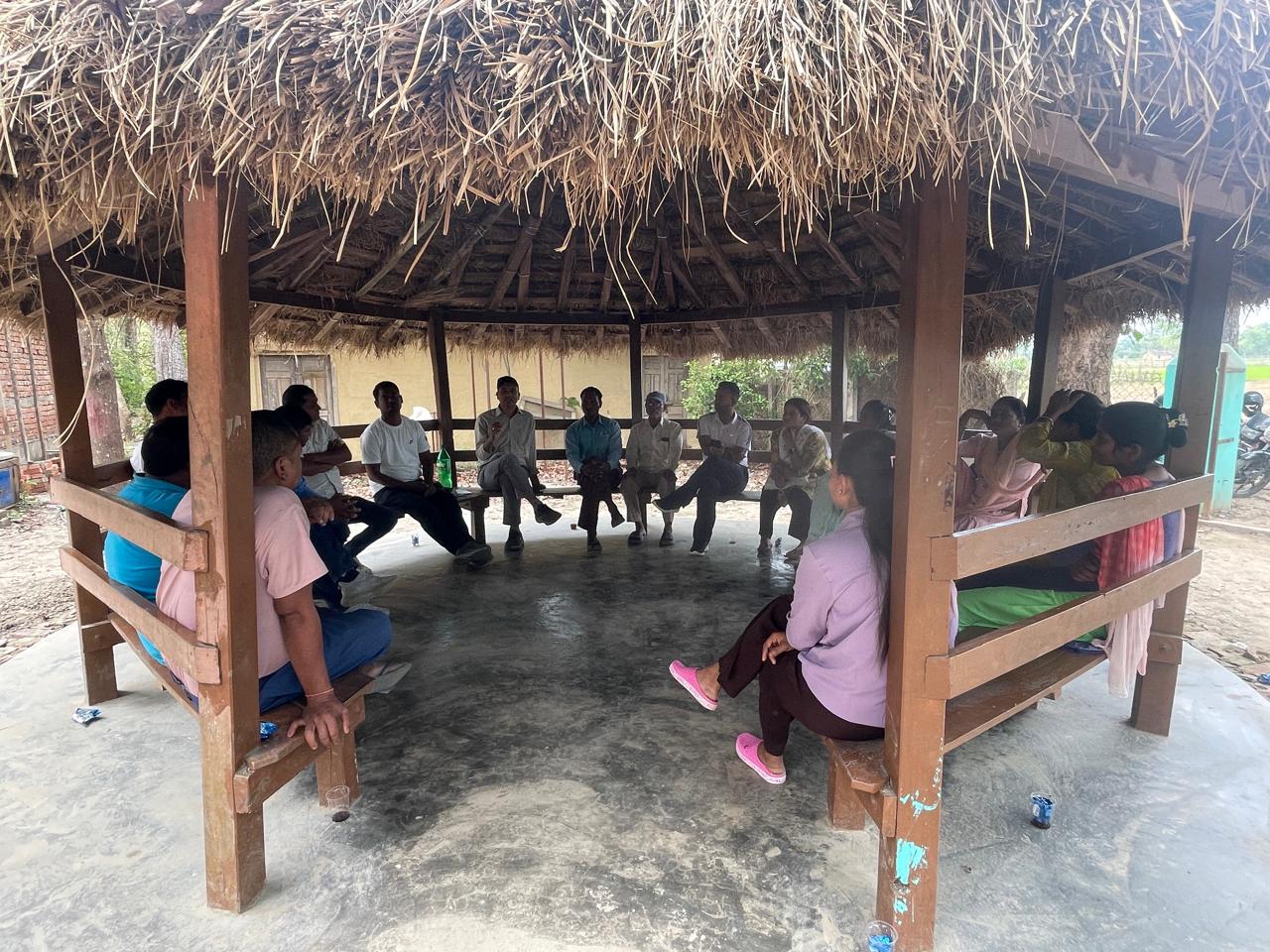
A joint team from The Asia Foundation (TAF) and ForestAction Nepal (FAN) conducted consultations from 7-10 May 2026 in Tikapur and Bhajani Municipalities, Kailali District, to assess governance challenges in community forest and natural resource management.
In Tikapur, discussion focused on local communities actively protecting and utilising municipal forests through informal groups, operating under annual agreements with the municipality for harvesting dead and fallen trees. Community members emphasised the urgent need for clear legal provisions that formally recognise and support community participation in municipal forest management. In Bhajani, governance conflicts have emerged over ponds located within community forest areas, where both Community Forest User Groups (CFUGs) and the municipality have independently initiated bidding processes for fish farming, resulting in overlapping claims and management disputes.
The assessment brought together representatives from The Asia Foundation (TAF), ForestAction Nepal (FAN), Nepal Water Conservation Foundation (NWCF), Sahakarmi Samaj, local governments, CFUGs, the Division Forest Office Pahalmanpur and the Provincial Ministry of Forests and Environment. The FAN team also conducted field visits and consultations with stakeholders from more than seven Community Forest User Groups, engaging over 22 participants.
The consultations generated a shared understanding of the need for both technical and legal interventions to address existing challenges. It was agreed that NWCF would provide technical support for developing management guidelines, while FAN would facilitate legal and policy support to strengthen governance and institutional arrangements.
Among the key recommendations emerging from the discussions were the development of clear local legal provisions for municipal forest management in Tikapur and the establishment of a multi-stakeholder Pond Management Committee in Bhajani. Such collaborative mechanisms have the potential to strengthen local governance, support sustainable management of natural resources, and promote equitable sharing of benefits among communities and local governments.