Leadership Training on Forest Landscape Restoration (FLR)

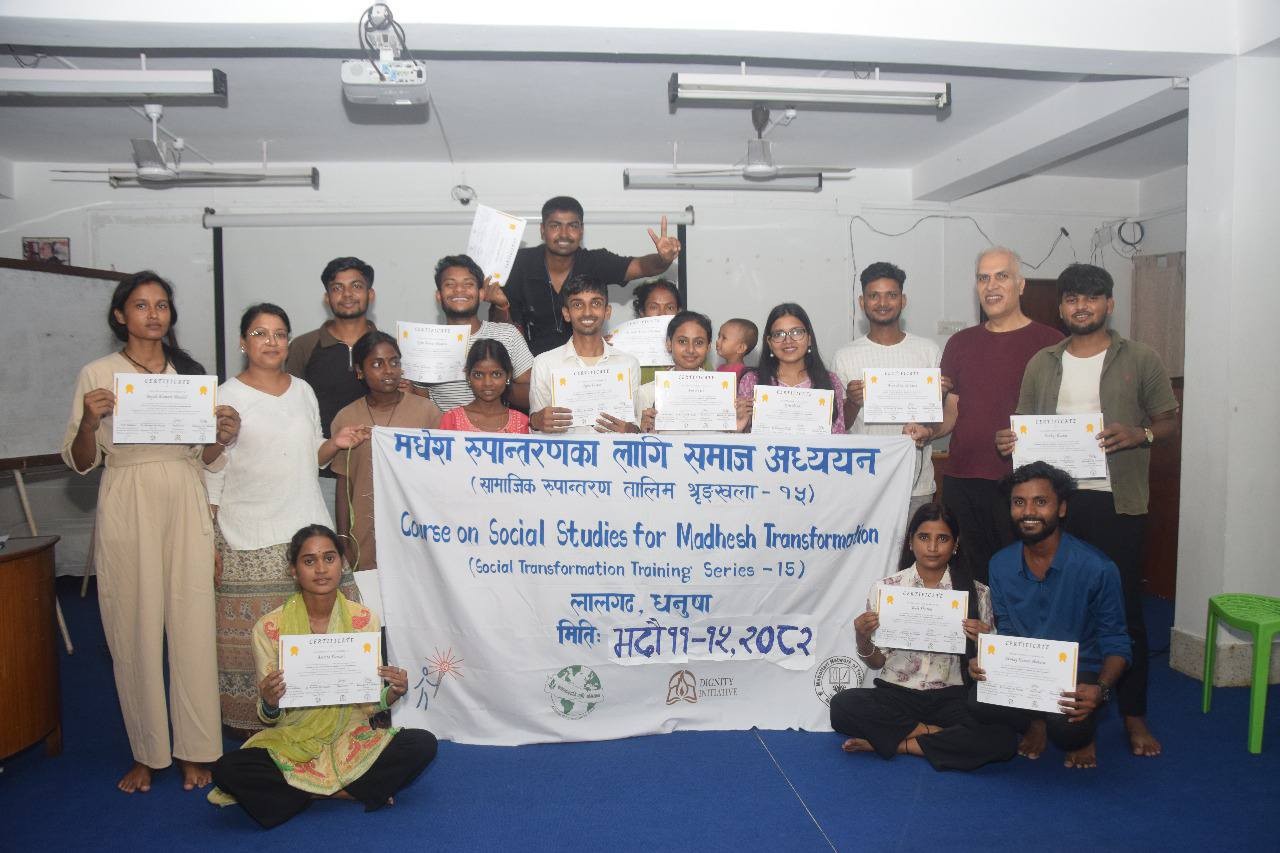
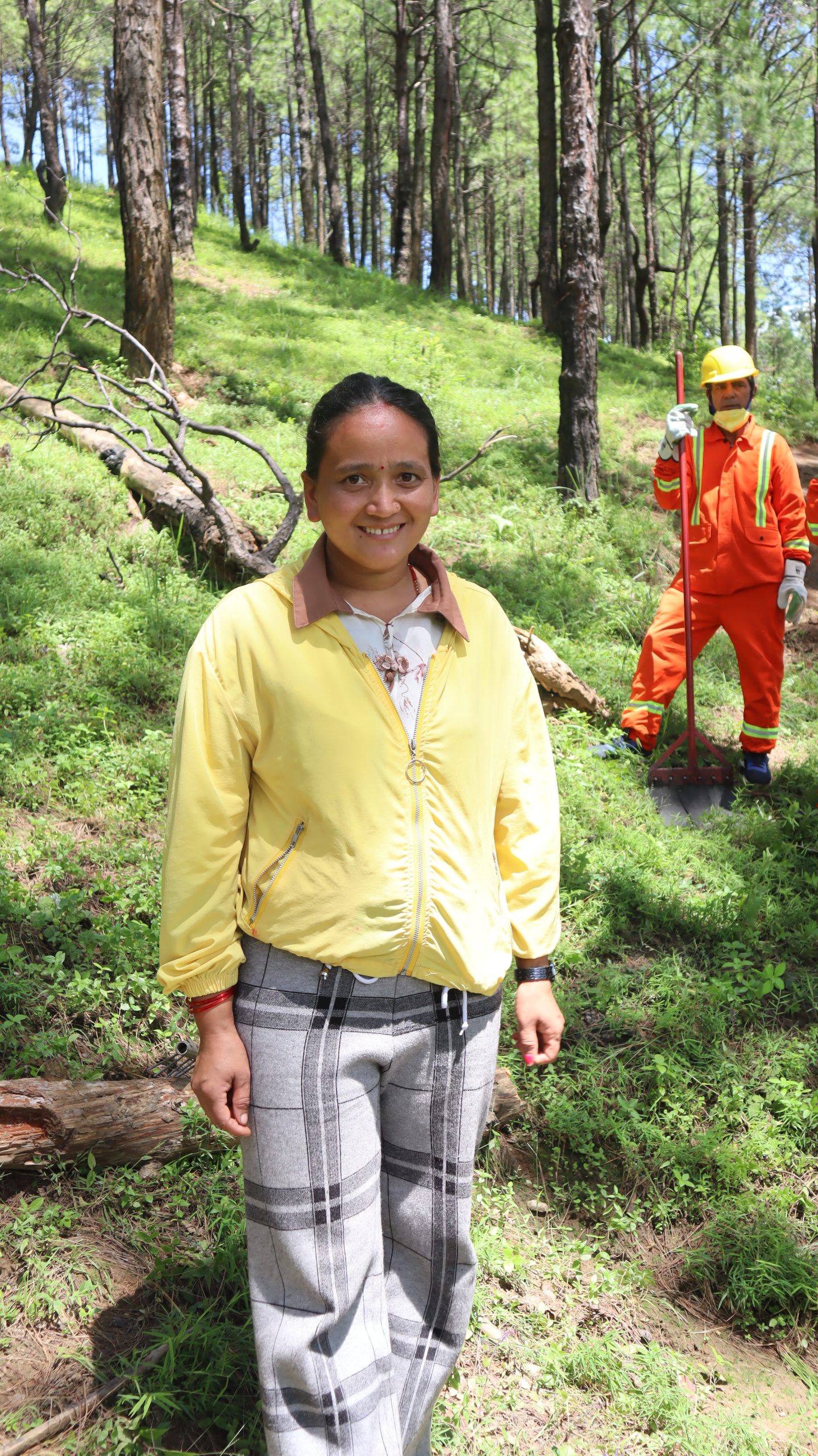
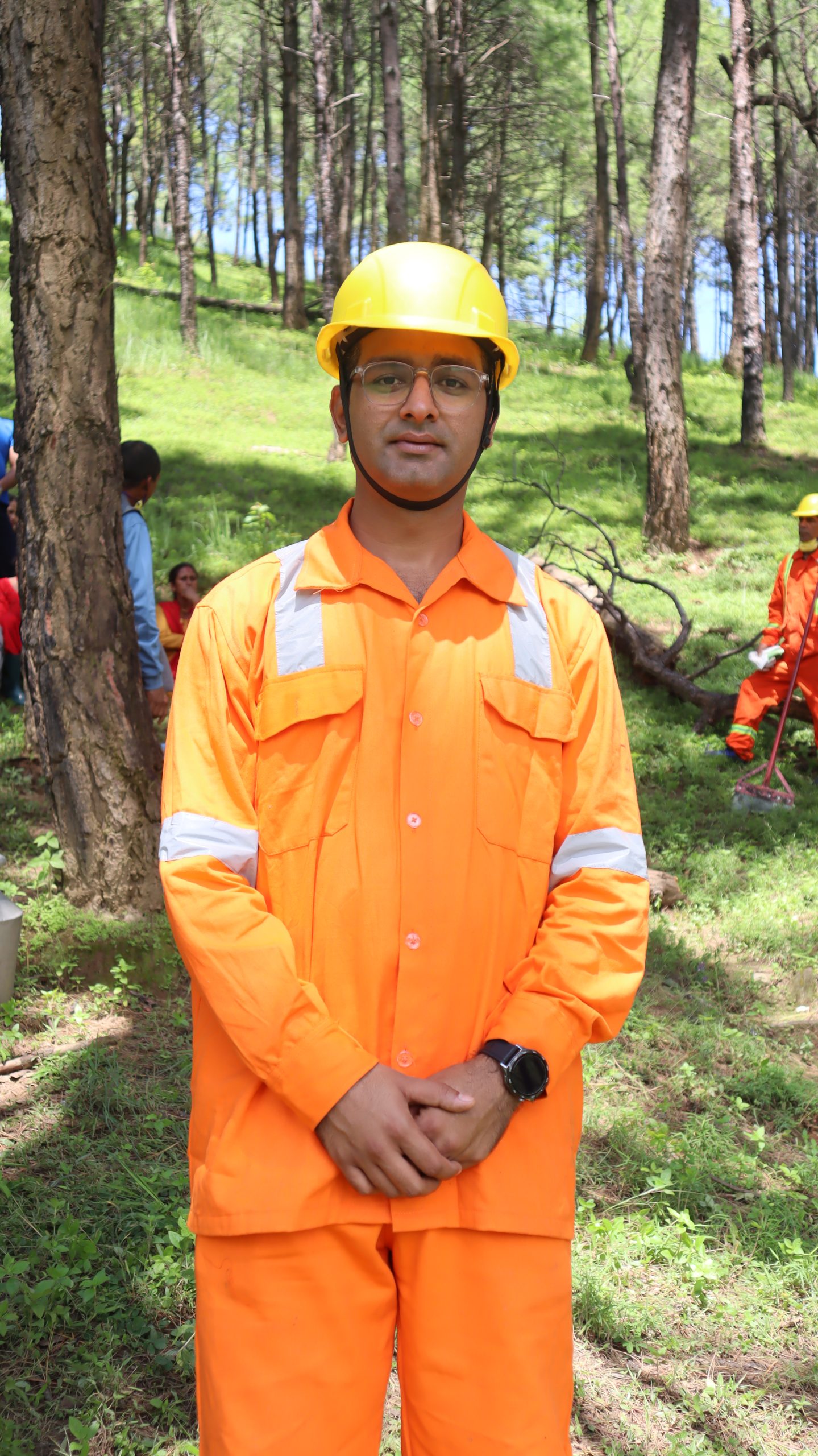
Forest Landscape Restoration (FLR) is not just an environmental concern; it is also crucial issue for the well-being of local communities, especially indigenous peoples, and broader socio-economic development. Local communities play a central role in forest restoration. They are often the first to experience the consequences of forest degradation and, therefore, are uniquely positioned to lead restoration efforts. Understanding the depth and necessity of such issue, ForestAction Nepal organised a “Leadership Training on Forest Landscape Restoration” from 24 th March to 29 th March, 2025 in Bhimwali community homestay of Padampur, Chitwan. The
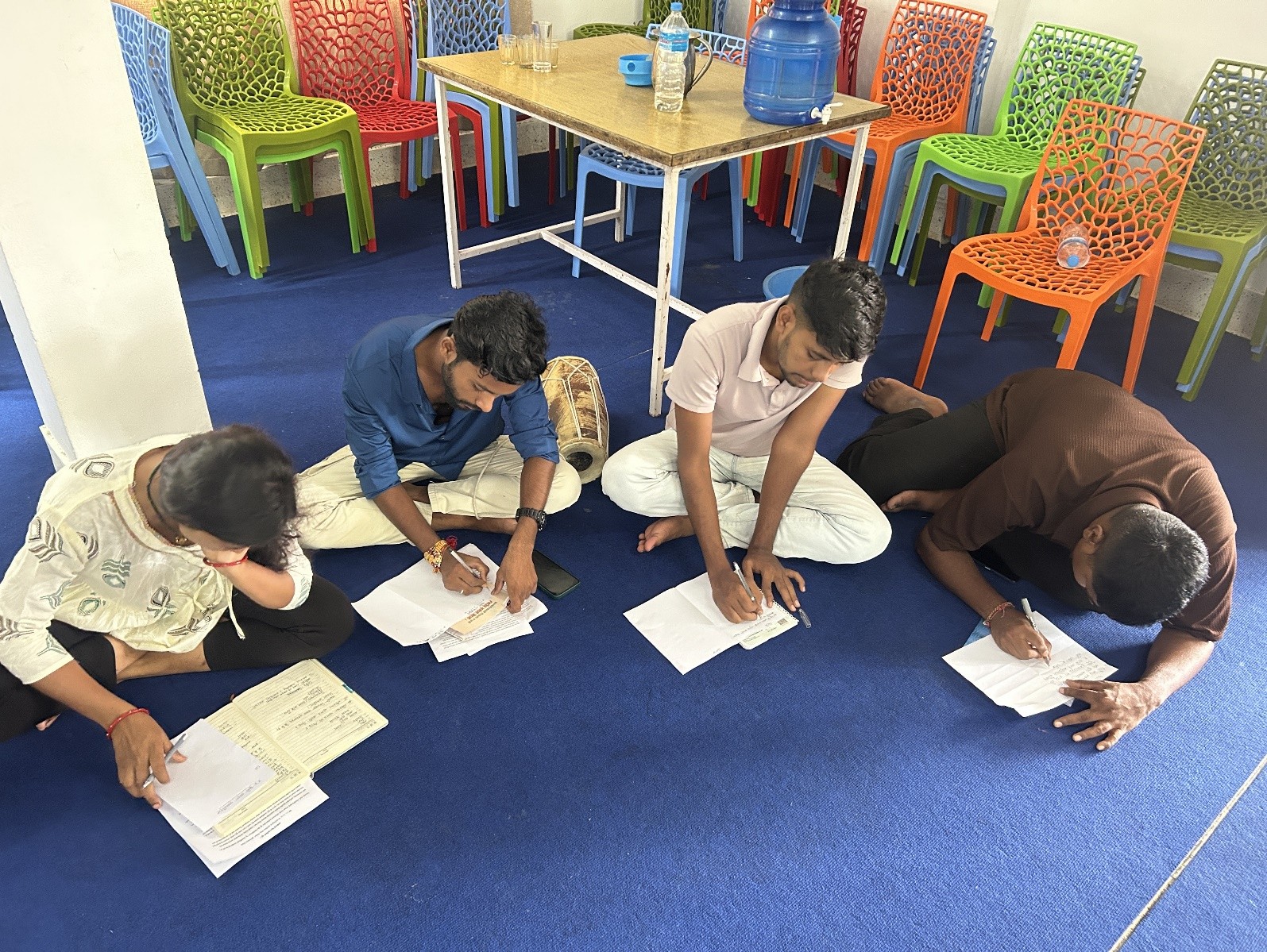
six-day program was designed to empower local people to take on leadership roles in restoring their forest landscapes. The primary focus of the training was to catalyse discussion to promote socio-ecologically resilient forest landscape restoration. A diverse group, including individuals working in community forestry, agriculture, local leaders, ward presidents and few student were present in the training. Similarly, the REDAA team staff along with a diverse group of trainer, including social activists, government officials, professor from the Tribhuvan University, climate change expert, agriculture expert and GESI Expert had facilitated the session. The program was structured as an integrated learning experience, combining expert presentations, reflective monologues, interactive exercises, storytelling, group discussions, and a field visit to Sauraha and Maulakalika.


Forest Landscape Restoration (FLR) and Biodiversity Conservation Talk Program Kicks Off

Over the past few decades, ForestAction Nepal has been conducting participatory action research and organising critical discussions for democratic and inclusive governance of natural resources in Nepal. Piloting and long-term research on forest management, biodiversity conservation and Forest Landscape Restoration (FLR) are among the major priorities of the organisation. As the world is celebrating UN Decade on Restoration, FLR has been regarded as a key strategy to tackle the interconnected environmental challenges that we are facing today.


To address such issues and ignite discussions, ForestAction Nepal as a part of the REDAA Project has launched a talk series on emerging issues, new insights, methodological innovations, success stories and theoretical advancements in the domains of biodiversity conservation and forest landscape restoration in Nepal. Dr. Lila Nath Sharma commenced the series on 10th January 2025 with a discussion on “Forgotten legacies in biodiversity conservation and forest landscape restoration in the era of socio-ecological crisis.”

On 3rd March 2025, the second talk series kicked off with the sharing by Professor Dr. Ole Reider Vetaa of the University of Bergen, who shed light on “Conservation biogeography; migration, isolation and barriers in changing climate.” Around 35 participants had joined the talk program, including Prof. Emeritus RP Chaudhary and faculty members from Kathmandu University and Tribhuvan University.

Symposium on Women’s Economic Empowerment through Natural Resources: Opportunities, Innovations, and Challenge

A symposium on Women’s Economic Empowerment through Natural Resources: Opportunities, Innovations, and Challenges was conducted on 24 th February 2025. The symposium successfully brought together diverse stakeholders—including government representatives, researchers and academia, development partners, civil society, and the private sector—to discuss current challenges, review and learn from best practices and innovations, and develop approaches and methodologies to inform policymakers and other key stakeholders in advancing women’s economic empowerment.

Building on three years of collaboration between SIAS and ForestAction Nepal in the Women’s Economic Empowerment (WEE) project, along with the collective efforts of 11 knowledge partners, the symposium aimed to share opportunities and challenges in WEE, fostering new knowledge and innovations to address these challenges.
The symposium focused on three major thematic areas of WEE; Opportunities and challenges, innovations and good practices and frameworks, approaches, and methodologies. Dr. Meena Bohara of ForestAction Nepal presented key lessons learned of women in forest-based enterprises. Similarly, Dr. Naya Sharma Paudel facilitated the thematic session on innovations and good practices. Overall, the symposium effectively sparked discussions on empowerment
through natural resource-based enterprises, key governance aspects, institutional and technological innovations, best practices, innovative research methodologies, and inclusive intervention processes to create an enabling environment for women's economic empowerment (WEE).

Field Research Begins for the forest landscape research assessment

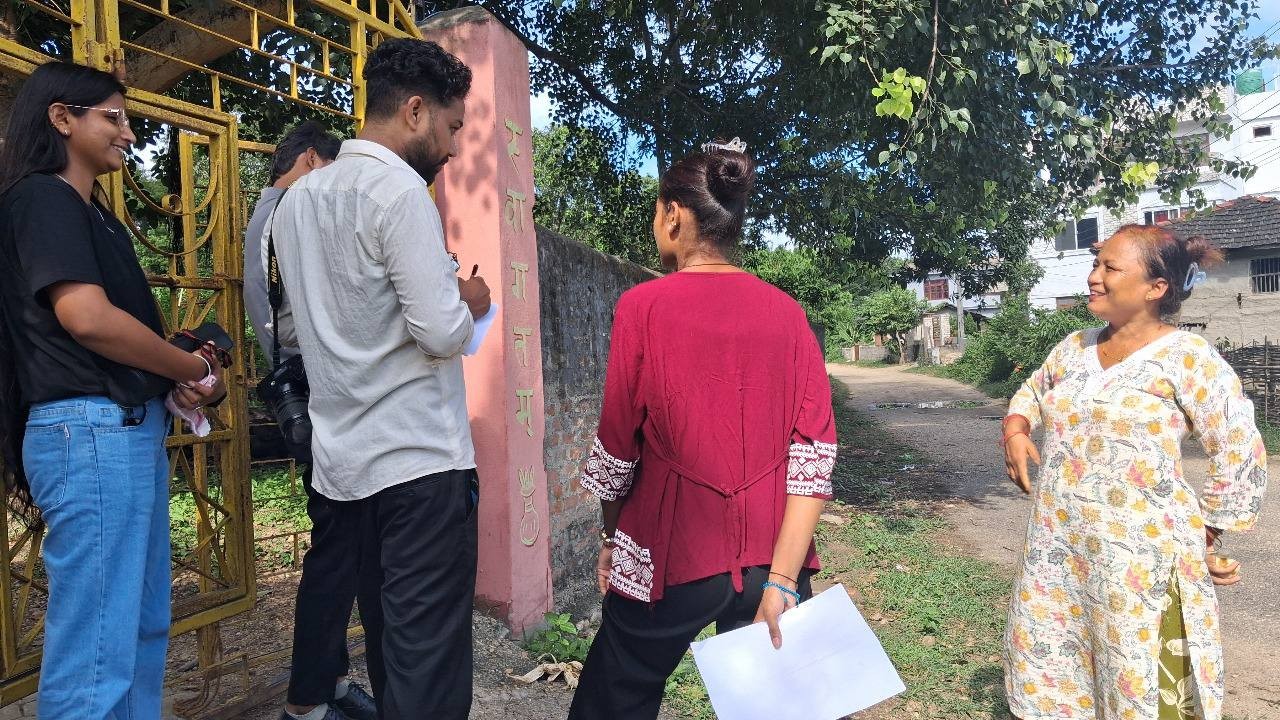
ForestAction Nepal is currently undertaking a REDAA research project funded by UK International Development from the Foreign, Commonwealth and Development Office (FCDO) and managed by the International Institute for Environment and Development (IIED) to analyse the socio-ecological outcomes of restoration interventions in Nepal. Since three months, ForestAction Nepal’s team has been travelling to different transits in Nepal to assess different restoration sites, initiatives and their impacts. The team have complete the field research in Eastern (Pancthar, Ilam, Sunsari, Dhankuta, Bhojpur), Central (Palpa, Syangja, Tanahu, Kaski), and Western (Surkhet, Jajarkot, Dailekh) transits of Nepal.

The team had identified forest coverage changes through satellite images for the intervention. After analysing the satellite images, and assessing the forest cover changes, the team conducted socio ecological surveys, where bio-physical surveys was conducted in the forest and socio-economic surveys were taken in the forest-depended communities. Along with that, the team has also conducted capacity building trainings, leadership trainings to various communities on forest landscape restoration and management.

Training on Compost and bio-pesticide preparation

As part of our ongoing efforts to foster agroecology for soil restoration and biodiversity conservation, Forest-Action Nepal, in collaboration with Ichhakamana Rural Municipality, successfully conducted training sessions on compost and bio-pesticide preparation for farmers from Dhusa and Kalikhola villages on February 4 and 5, 2025, respectively. A total of 34 farmers, all actively engaged in commercial vegetable farming, participated in the training sessions.

Chandra Prasad Adhikari, an organic farmer with over three decades of experience facilitated the training. The training methodology integrated learning approaches like interactive discussions and hands-on field exercises and covered topics like the orientation on agroecology, the effects of inorganic farming on soil and human health, the benefits of organic fertilizers and bio-pesticides, and the practical demonstration of composting and bio-pesticides.

This training is a significant step in our agroecology initiative, promoting community-led approaches to sustainable farming that promotes local knowledge exchange and capacity building of farmers. This training also serves as a foundation for establishing farmer-led demonstration plots, further strengthening our collaborative action plan with Ichhakamana Rural Municipality.


Training to CFUGs on forest/forest fire management in Dolakha and Sindhupalchowk districts

The rugged terrain of Nepal’s mountain districts makes it difficult to respond to any forest fire event. This compounded by lack of tools and equipment, inadequate capacity of local stakeholders to prevent and respond to forest fire, and weak coordination mechanism, makes the situation even worse.
While enhancing capacities of stakeholders in addressing any forest fire event is a priority, preventing it through involvement of community forest user groups (CFUGs) in forest management by drawing on their years of local knowledge is imperative. In this line, ForestAction Nepal has entered into partnership with the Australian Himalayan Foundation to address the challenge through inclusive community-based forest fire management in Dolakha and Sindhupalchowk districts.
The project kicked off with inception workshops in Shailung rural municipality of Dolakha and Chautara Sangachokgadhi municipality of Sindhupalchowk districts on 8th and 9th January 2025.

Raising awareness on the importance of sustainable farming through theatre play in the communities

Raising awareness on the importance of sustainable farming through theatre play in the communities

ForestAction Nepal, in collaboration with the Shilpi Group, showcased the drama Sattapatta across ten locations in Chitwan from November 12–20, 2024, with the primary goal of raising awareness about sustainable farming. The performances targeted a diverse audience, including students, teachers, local government representatives, and community members, particularly farmers. By engaging both younger and older generations, the initiative aimed to influence those directly and indirectly involved in agricultural practices.

Each performance attracted an audience of approximately 150-200 people, successfully engaging them throughout the show. Through its powerful narrative, the play effectively highlighted the growing reliance on chemical inputs in agriculture, emphasising their harmful impacts on soil health, human well-being, and the overall ecosystem.

Additionally, meaningful discussions about the need for alternative, sustainable farming practices were thoroughly conducted after every show. The play not only conveyed a positive message but also helped participants understand the importance of sustainable farming systems.

22nd Annual General Meeting

ForestAction Nepal successfully held its 22nd Annual General Meeting on 22nd September 2024. On this occasion, the organization took an opportunity to honor the former chairperson of ForestAction Board, Prof. Dr. Ram Bahadur Chhetri, who chaired for over 8 years and acted as the principal investigator for various research projects. Additionally, the organization recognized Mrs. Laxmi Thapa, a dedicated staff member who has been with ForestAction since its establishment.

Discussion on forest fire management

Forest fire has been an issue of concern across Nepal, and relevant actors have been struggling to identify ways to effectively address the problem. While several strategies are put in place, they seem to have been inadequate. Most importantly, lack of capacities of relevant stakeholders emerges as a major weakness when it comes to addressing the issue. In this line, ForestAction Nepal hosted a Forest Fire Training Module Sharing Workshop delivered by highly experienced experts from Australia. Mr. Alan Hill and Mr. Vince Cafari, from Australia, shared a forest fire training module that is targeted to the Nepalese audiences. The purpose of the workshop was to refine the forest fire training module before rolling it down to the field. This is part of our collective effort to combat the increasing risk of forest fires in Nepal.

Policy-related Opportunities and Practical Challenges of Forest-based Enterprises

ForestAction Nepal organised one-day interactive event in Sindhupalchowk and Nawalpur on “Policy-related Opportunities and Practical Challenges of Forest-based Enterprises”. The program took place on 3 rd September 2024 in Nawalpur and 13 th September 2024 in Sindhupalchowk. The event aimed to provide forest-based enterprises with the knowledge, resources and strategies necessary for sustainable operation and financial sustainability.The event integrated various learning approaches such as presentation and interactive discussions amon participants. The interactive session focused on sharing of experiences,challenges and suggestions for the forest-based entrepreneurs where key points on expanding the business scale, effective group collaboration, nature and long-term support along with market challenges were discussed among the participants. The event provided a common platform for various stakeholders, including local entrepreneurs, government officials, financial institutions, and non-governmental organisations to discuss and address financial and operational challenges to ensure the sustainability and profitability of forest-based enterprises.

Rare tree plantation in Jalthal biodiversity demonstration block

ForestAction Nepal’s Jalthal Biodiversity project is working with key stakeholders to conserve biodiversity of Jalthal forest. While conserving overall biodiversity of the forest, special attention was paid to conserve rare and threated plants (put here a link for the rare trees pdf). The project also conducted experiment to analyse regeneration of rare and threatened species.

To support conservation of such species and to provide in situ education to visitors, the project has supported in establishing Biodiversity Demonstration Block in Durgabhitta and Abhimukteswar community forests. In the block, visitors can witness several rare and unique trees (like Latahar) in accessible location, even seeing 40 species of trees from two locations. On 2 nd August 2024, a plantation program was organised in the block. Leaders from FECOFUN and CFS were present in the program. Altogether 240 seedlings of seven rare species, grown in project established conservation nursery, were planted in the block.The rare species planted were: Cowa Mangosteen (Ban Suntala), Elephant apple (Autyanga), Burmese grape (Kusum), Sour mangosteen (Chunyel), locally rare cinnamomum species (Malagiri), Cycas (Thakal) and Eastern Uvaria (Bandar Jhulla).

World elephant day marked in Jhapa

In the last two decades, 300 people have died in Nepal due to elephant attacks. Among all, Jalthal area is the worst affected by human elephant conflict. In the municipalities surrounding the Jalthal forest, there has been death of 21 people in elephant attack. Similarly, six elephants were reported dead during the last seven years in the region.

ForestAction Nepal has been working with stakeholders to restore the degraded yet rich biodiversity-Jalthal forest. Given the seriousness of the issue, ForestAction Nepal has been undertaking wetland restoration, small water hole improvement, invasive species control and plantation of elephant fodder. Banana, bamboo, Niwaro and Latahar are among the planted fodder species. Similarly, the works in Jalthal forest has prioritized conservation of natural regeneration in collaboration with DFO Jhapa and local community forests user groups (CFUGs).

In 21 st August, on the occasion of World Elephant Day, an interaction program was organised at various places in Kachankawal. Kachankawal rural municipality is one of the worst affected area in the landscape. In Moti Secondary School, a program on human-elephant coexistence was conducted where, the chairman of the School Management Committee, Sheshlal Rajvanshi, the vice president of Kachankawal Rural Municipality Navraj Bhattarai, the Principal of the school, Chabilal Basnet, and the program coordinator of Forest Action Nepal-Lila Nath Sharma, Forest Officers of Division Forest Office Rishi Ram Parajuli, Raju Khadka, Wildlife Conservationist Deven Kharel-a photo journalist and conservation enthusiast and other representatives of Kachankawal, teachers, students and stakeholders interacted and held discussion on the matter. In the program, various topics related to elephants, human-elephant conflict and human- elephant coexistence challenges and solutions were discussed. Students of the school also attended a quiz program focused on ecology and behaviors of Elephant.

On the same day, at Municipality level, FECOFUN in collaboration with ForestAction Nepal organised an interaction program in Abhimukteswar community forest. Human-elephant conflict and ways of enhancing human elephant conflicts were discussed in the program. The program was attended by users of Abhimuktewar CF and leaders from six different CFUGs in Kachankawal. Local people also shared their experience with slow process of compensation. In both the programs, among others, participants also identified and highlighted that awareness raising programs and forest restoration should go hand by hand.

ForestAction Nepal Jalthal team along with two conservation enthusiast (Mr Shankar Luintel and Deven Kharel) also visited Salakpur area of Ilam to interact with local people on recent movement of Elephant in the region. The locals informed that historically the region had elephant movement, however, it has decreased in the last few decades. It was also known that recently Elephant have started residing longer in the Indo-Nepal bordering area near Salakpur.