Preliminary visits and activities for "Climate Action Financing through Women and Social Enterprises" Project

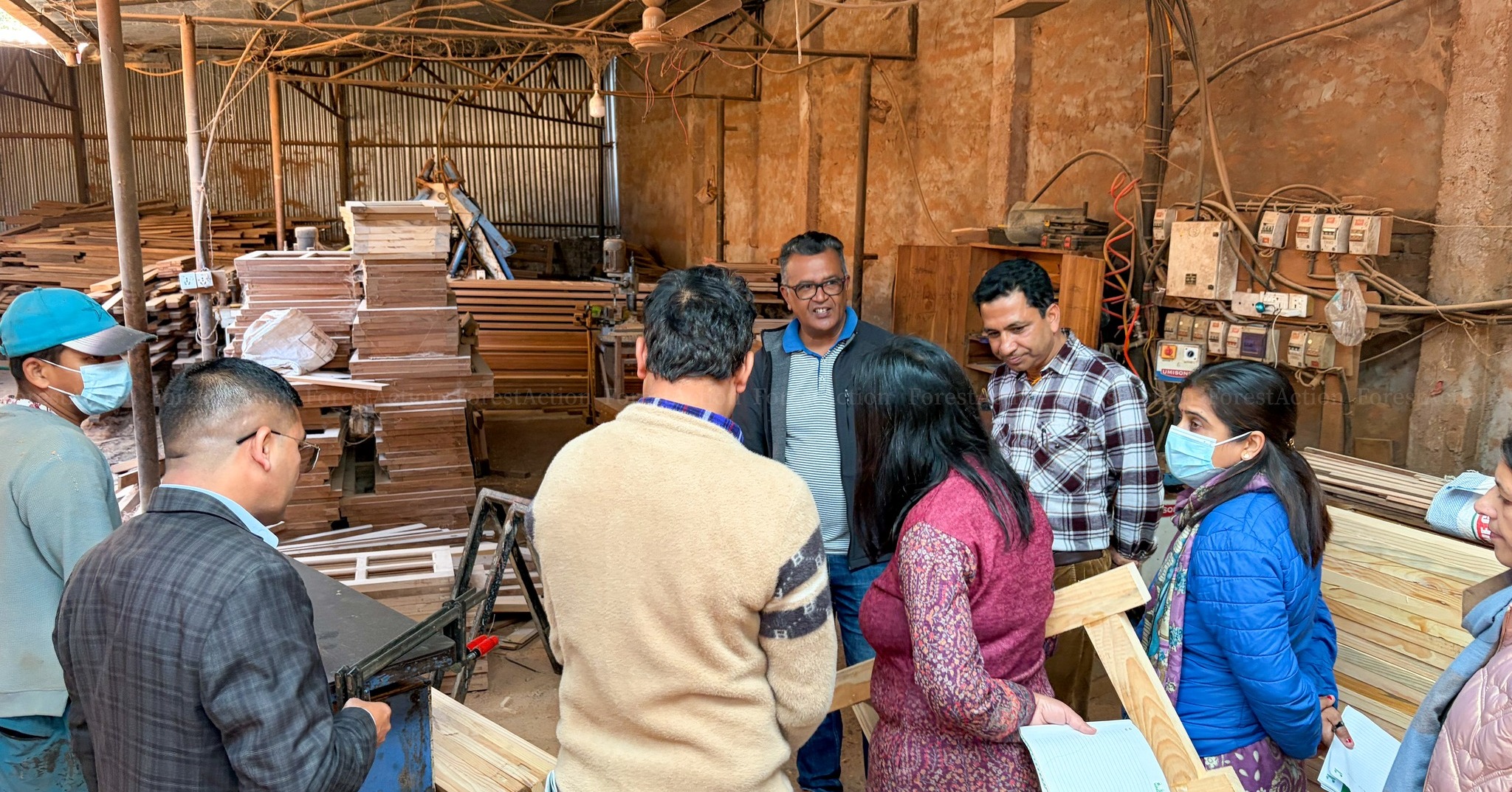
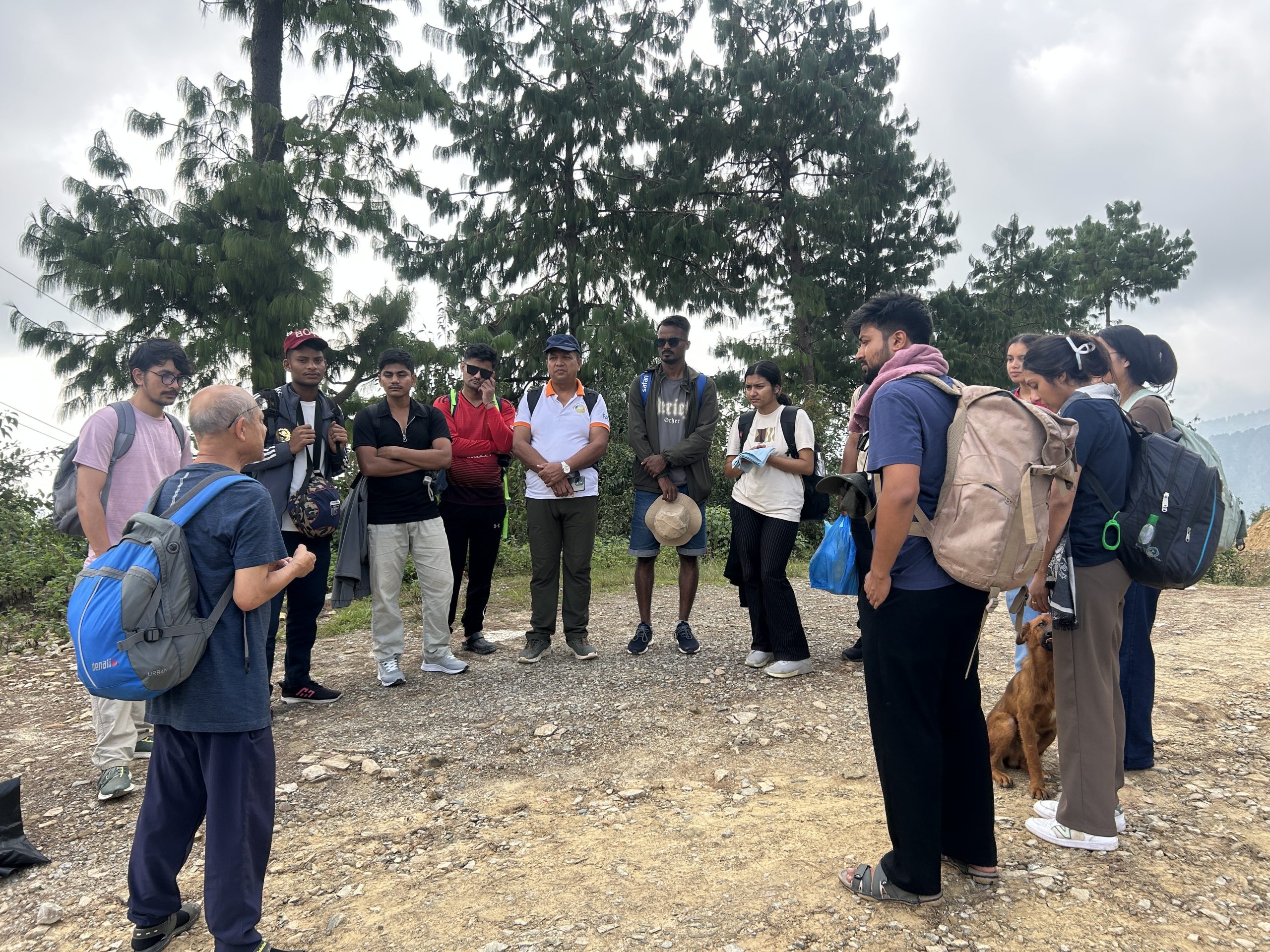
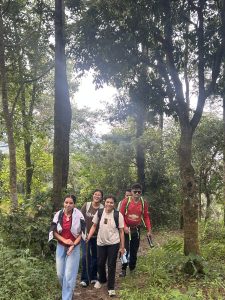
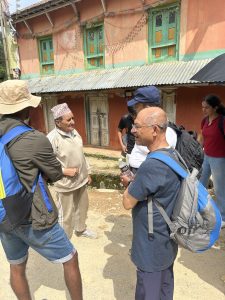
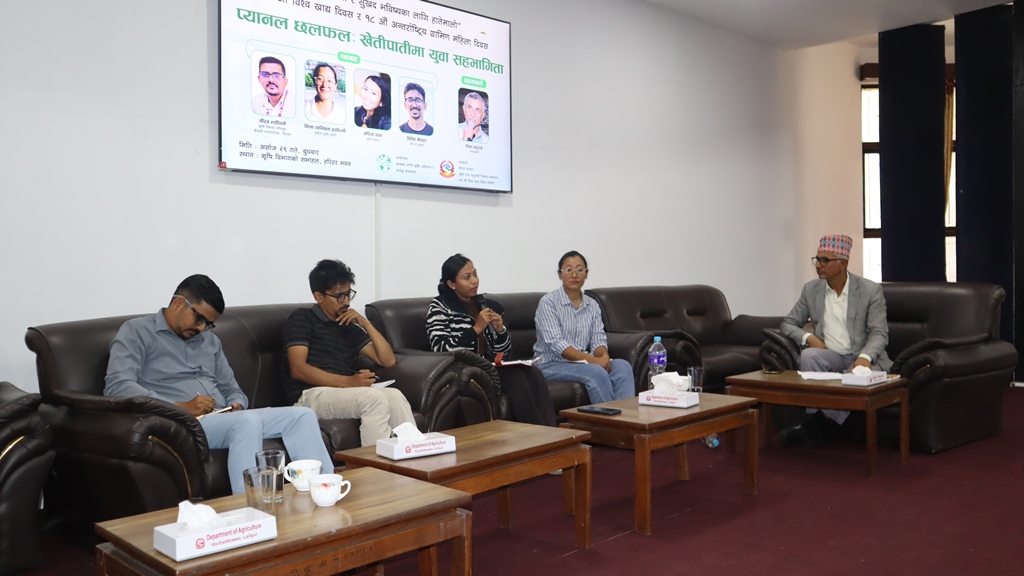
ForestAction Nepal, in partnership with Southasia Institute of Advanced Studies (SIAS) and Climate Policy Initiative (CPI), is exploring financing pathways for women-led or women- benefitting grassroots organisations engaged in climate-positive agriculture and forestry enterprises. Despite some policy efforts, women in Nepal still face structural barriers such as lack of forest tenure rights, limited access to land and finance, and inequalities. This project aims to develop better understanding of the challenges, improve financial literacy, and develop models for accessible and inclusive financing, offering a potential model for similar initiatives across Asia. Since the project’s inception, several activities have been undertaken, including preliminary visits to selected enterprises by the project team in April and a landscape study visit in May 2025 to Nawalparasi and Dolakha. Additional key actions include review of relevant literature, preparing a list of enterprises, and providing feedback and suggestions to the landscape study team. Currently, development of a review article and a policy brief is underway.

BAGAR Project Kicks Off

As part of the BAGAR Project (Building Agroforestry-Based Adaptation Plans for Resilient Floodplains), a reconnaissance field visit was conducted from June 4 to 12, 2025, in Gadimai Municipality of Rautahat and Marin Rural Municipality of Sindhuli district. The main objective was to assess existing agroforestry practices in flood-prone communities and understand their role in mitigating flood risks and supporting fodder production. Through site observations, stakeholder consultations, and community-level discussions with both adopters and non-adopters of agroforestry, the team gathered critical insights into current models, local challenges, and adaptive strategies.

As the field sites represented two distinct geographic regions- Gadimai in the Terai and Marin in the Chure belt- slight differences in agroforestry practices were observed in their flood plain areas respectively. In Gadimai, agroforestry was largely practiced by individual farmers on private lands with their own indigenous knowledge, mainly in the form of aquaculture and boundary plantations. Agricultural cultivation was the primary activity, with minimal integration of tree species in floodplain areas commonly referred to as “Bagar Kheti”.

In contrast, Marin showcased community-based agroforestry practices, primarily within community forests managed by CFUGs. These included plantation of species such as banana, mango, jackfruit, lychee, lemon, and fodder grasses like ukhu ghas, amriso, ipil-ipil, kimbu contributing to both ecological restoration and livelihood support. Agroforestry practices were also observed on private lands, adopted by individual landowners adopting their own knowledge. The nature of floodplain-related challenges differed as well: Gadimai experiences large-scale seasonal flooding from the Bagmati River, while Marin, located in the fragile Chure landscape, faces both flooding and severe soil erosion, including riverbed cutting.

The visit reaffirmed that agroforestry practices such as boundary planting, riverbed agroforestry, and integrated aquaculture play a significant role in slope stabilisation, erosion control, and fodder availability. In riverbed agroforestry, farmers cultivate short-term crops like seasonal vegetables during the dry season while planting perennial species such as bamboo, banana, and Dalbergia sissoo along bunds and field edges.

Stakeholders, including municipal officials, CFUGs, farmers, and vulnerable groups, expressed enthusiastic interest in scaling up agroforestry interventions. However, integrated management plan, awareness, financial support, limited technical support, and market access remain key constraints to expansion. The findings from this field visit will inform the development of localized, evidence-based adaptation plans to enhance climate resilience in Nepal’s flood-affected regions.

A Month-Long journey “जैविक कृषि जागरण यात्रा” concluded

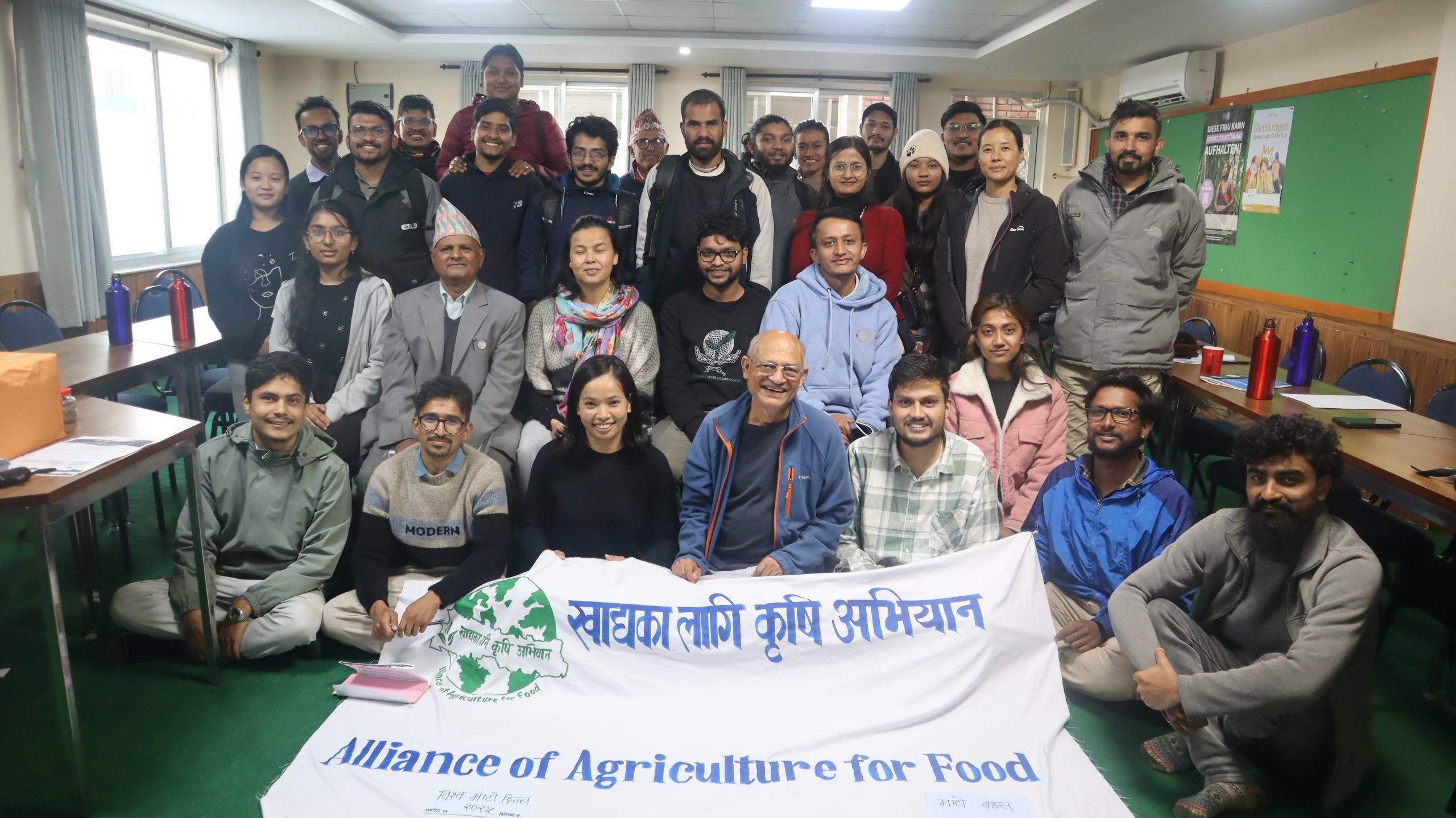
ForestAction Nepal, the secretariat of the Alliance of Agriculture for Food (AAF) concluded a month-long journey “जैविक कृषि जागरण यात्रा” . The journey was inaugurated with press meet in Kathmandu on 21st April and journey itself started from 22nd April 2025. The preliminary messages were handed over by the journey team to high-level political leaderships, officials and other stakeholders on the last day of the journey (21st May) at the Department of Agriculture, Hariharbhawan, Lalitpur. The objectives of the journey was to initiate discussions on restoring/revitalising the deteriorating current food and agricultural system based on natural and local agrobiodiversity, understand perspectives of stakeholders on agroecological farming, and to communicate the ground realities, challenges, and opportunities of Nepalese agriculture to the policymakers.Over a month, the journey reached to 24 districts including 30 local governments of Bagmati, Madesh and Koshi Provinces.

Along the journey, the team engaged in more than 60 dialogues, interactions, observation, and experience sharing with farmers, rallies, and assemblies particularly engaging stakeholders such as farmers, farmer’s organizations, local communities, local and provincial government representatives, parliamentarians, educational institutions, civil servants, civil society, practitioners, agriculture research institutions, students, journalists, agribusiness professionals, and officials from local and provincial governments.Diverse forms of activities were mainly focused on impacts of excessive use of chemical fertilisers and pesticides, soil degradation, loss of biodiversity, public health risks, water crisis, and climate crisis. The various alternatives of chemical fertilisers and pesticides were also discussed during these events. The team also handed over the note to local government representatives that included the messages on the problems we are facing due to excessive use of chemical fertilisers, pesticides, hormone and plastics and possible ways that the local governments can intervene to.

Some of the preliminary findings are as below.

Positive initiatives in increasing trend: A number of encouraging and positive initiatives were observed during the journey. These were led by individual farmers, farmers groups (including women farmers groups), cooperatives and local governments to promote organic and agroecological farming. The initiatives ranged from efforts on individual farms to group farming and contract farming as well as policy formulation by the local governments. Awareness about the harmful effects of chemical fertilisers, pesticides, and imported seeds is growing. Notable efforts include the promotion of indigenous crops, local seed preservation and exchange, preparation of bio pesticides and manures have been seen.

Excessive dependency: Farmers are highly dependent on imported fertilisers, seeds, pesticides, tools and technologies. This dependency is leading to loss of agrobiodiversity and local seeds at threatening level. Farmers have lost their traditional seed system and are dependent on imported seeds from outside including unregistered seeds, reducing farmer’s control over seeds and sovereignty.
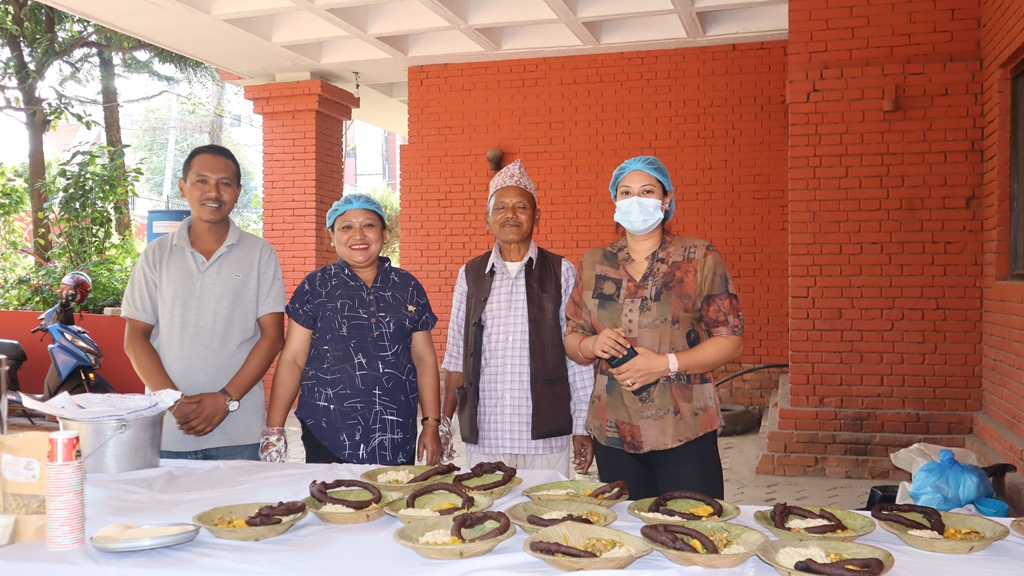
Pesticide use and soil health: Excessive use of pesticides and fertilisers, along with the promotion of monoculture has led to decline in soil fertility and dying of soil. Pulses and oilseeds are facing a crisis. Despite bans, farmers continue to use highly toxic pesticides. This highlights the urgent need of stricter oversight of agrovets and suppliers.

Alarming public health concerns: Driven by profit and commercialisation, the haphazard use of chemical fertilisers, pesticides, and hormone has not only increased cost of farming but also triggered serious public health concerns. There is an increase in non-communicable diseases, disabilities and mental health issues among farmers.

Towards alternatives: Both consumers and producers are beginning to realise that the current practices are contributing to environmental crises especially on human and soil health. There is growing demand for sustainable and nature-based alternatives for which there should be more research, development and dissemination.

Effectiveness of government’s program and subsidies: There is need for rigorous monitoring and timely evaluation on the effectiveness of government’s services and subsidies to ensure it reaches to genuine farmers. Its time to reflect and revisit these to move beyond distribution focused and ineffective approaches. Likewise, dualism in policies and priorities such as subsidising both chemical and organic fertilisers are escalating the crisis.

Education and Research: Students and academics have expressed concern over the disconnect between curricula and the ground reality they encounter in the field/community. There is significant lack of focus on organic agriculture.

Environmental challenges: Farmers are increasingly experiencing the visible impacts of climate change, such as the new pests, diseases, and invasive weeds.


Aditionally, villages are increasingly depopulating, agricultural lands are underutilized, abandoned and left fallow. Farmers are rarely of age below 40 and largely taken care by elderly and women, raising concerns about the future of farming. Similarly, the traditional family farming system is breaking down due to commercialisation.
The preliminary findings shared on the last day of the journey is attached here.

Citrus Decline in Gurung village, Tokdang, Ichhakamana: A growing concern

A Gurung village in Tokdang, Ichhakamana RM, Chitwan district, is known for its vibrant orange orchards. Almost every household owns an orchard with approximately 200 trees, many of which are decades old, some over 60 years. These orchards have been a cornerstone of the local economy and culture, generating billions of rupees annually through the sale of high-quality oranges. However, in recent years (2–3 years), the village has been severely affected by citrus decline, a growing threat that is already causing considerable loss and distress among farmers. Without timely intervention, the damage could become irreversible.

During our recent fieldwork, following initial discussions with the Municipal Agriculture Officers, our team visited Gurung Village to observe the citrus orchards and assess the current condition of the plantations. Discussion with local farmers provided valuable insights into the key challenges they face, including citrus decline.
Based on this visit, we plan to extend our research to explore solutions to citrus decline problem in collaboration with local farmers and the Rural Municipality.


Participatory action research on agroecological initiatives: Recent activities in our project site-Ichhakamana, Chitwan

As part of our ongoing participatory action research on agroecological initiatives, our Food and Agriculture team conducted a field visit to Ichhakamana Rural Municipality, Chitwan, from June 1 to 6, 2025. The visit focused on implementing and expanding agroecological practices across current and potential experimental sites.

Introduced vermicomposting in experimental sites for sustainable soil management

At two of our current experimental sites, Dhusa and Kalikhola villages, the team has initiated the setup of vermicomposting units as part of ongoing efforts to promote agroecological practices. Vermicompost is a highly effective organic manure with multiple benefits: it enriches the soil with essential nutrients, improves soil structure, and enhances microbial activity.

This initiative has been implemented on a small scale, with strong potential for expansion based on community response and observed outcomes.

Assessing the effects of Effective Microorganism (EM) treatments on Bean Varieties

In Dhusa, a new experimental set up was established to assess the effects of Effective Microorganism (EM) treatments on bean crops, with the objective of improving the performance of the crop, enhancing the crop resilience through biological inputs and contribution to the broader goal of reducing chemical dependency.
Initial activities involved treatment preparation, field layout and sowing of seeds.

Expansion of agroecological research: Explored Lewataar as a new Site

We plan to expand our research and field experimental sites to additional areas of Icchakamana RM. In a previous meeting with the Chairperson of Ichhakamana RM, Lewataar village was identified as a new potential field/ experimental site.
Thus, we visited Lewataar village, where we held preliminary discussions with local farmers and conducted observations throughout the village to better understand the agroecological conditions, current agricultural practices, major challenges and issues faced by farmers and farmers’ perspectives on agroecological farming.
These insights will guide us to the design the context-specific interventions and collaborative planning with local stakeholders.

Submission of Agroecological planning priorities for FY 2082/83 to the Palikas

As the local government (Palikas) begin preparations for the programs and budget of Fiscal Year 2082/83, Food and Agriculture team at ForestAction Nepal conducted a strategic meeting with the Municipal Agriculture Officers at the office of Ichhakamana Rural Municipality. The meeting focused on reviewing existing agricultural programs and discussing potential future initiatives.
Following this discussion, a formal suggestion letter was submitted to the Municipality, proposing the integration of the following priority areas into the upcoming fiscal year’s policies and programs:

•  Zoning of agricultural land and development of agroecological promotional programs accordingly

•  Promotion of local seed varieties, indigenous farming knowledge, and technologies

•  Research initiatives to address the citrus decline problem, as this RM is a key hub for orange production

•  Strengthening market linkages, both local and external, for organic and other agricultural products

•  Establishment and management of nurseries to ensure easy access to quality saplings for local farmers

Apart from Ichhakamana Rural Municipality, ForestAction Nepal as a secretariat of Alliance of Agriculture for Food, also submitted the suggestion letter via email to 13 other Palikas across the mid-hill regions.

2nd National Silviculture Workshop

The 2nd National Silviculture Workshop was organised during 10-11 th May 2025 (27-28 Baishakh 2082) in Park Village, Budhanilkantha, Kathmandu. The two-day workshop, inaugurated by the Prime Minister, was designed with intensive sessions of keynote presentations, parallel technical sessions on specific thematic areas, panel discussion among others. The workshop provided the opportunity to revisit the updates and progress since the first workshop in 2017 and work out strategies to roll it out in the context of widely felt low economic return from forest resources. Being one of the co-organisers, FAN researchers (Naya Sharma Paudel and Aayush Gautam) actively contributed to various sessions including moderation of panel discussion and as commentators in other sessions. Our main contribution was to emphasise on adaptive silviculture in the context of changing socio-economic context and emerging environmental crisis.

Madesh Studies for Social Transformation

The Alliance of Agriculture for Food (AAF), in collaboration with the Centre for Educational Policies and Practices (CEPP), Dignity Initiative (DI), and the Mahottari Network of Youth, successfully conducted the 15th series of the Apprenticeship Modular Course on “Madesh Studies for Social Transformation” starting from 6th May to 12th May 2025 in Lalghad Laprocy Hospital, Dhanusha.

This training was aimed to help young people from Madhesh Province to understand and respond to social issues, especially those related to social and environmental justice. It also aimed to support personal growth, encouraging participants to reflect on themselves and become positive change-makers in their communities.

The course is divided into three separate modules. The first module of the course ran for five days and brought together 24 participants from diverse social, cultural, and educational backgrounds across the Madesh Province. This diversity created a rich learning environment that encouraged inclusive dialogue and mutual learning.

Similarly, the first module focused on key themes such as evolution, diversity, and discrimination, while also helping participants develop important life skills like note-taking, report writing, basic photography, and creative reading, writing, and thinking.

The training adopted participatory and interactive teaching methods aimed at enhancing comprehension and practical application. The methods included:

  • – Video and PowerPoint presentations to introduce core concepts
  • – Group activities and presentations to encourage collaborative learning
  • – Short lectures to provide theoretical grounding
  • – Educational games tailored to the session topics, helping participants internalise issues in a more engaging way

Over the five days of intensive engagement, the participants demonstrated remarkable enthusiasm, curiosity, and commitment to learning. Their active participation was reflected not only in discussions and group activities but also in the personal stories and local experiences they brought to the table. The successful completion of the first module resulted in several meaningful outcomes. Participants took part in deep self-reflection, examining their life experiences, personal challenges, and accomplishments. They gained a better understanding of evolution, including its process and the changes it has brought from the past to the present. Additionally, they explored the difference between diversity and discrimination, discrimination is socially constructed. By sharing their personal experiences, participants highlighted the various forms of discrimination present in Madhesh Province, which helped deepen the collective understanding of these issues. These insights created a solid foundation for continued learning and personal growth throughout the course.


Gender Responsive Forest Fire Management and Response Consultation Workshop

A two day ‘Gender Responsive Forest Fire Management and Response Consultation Workshop‘ was organised under the project titled ‘Fostering Community-Led Forest Fire Management in High Altitude Regions of Nepal’, supported by Australian Himalayan Foundation (AHF). Two separate events were held; one in Chautara, Sindhupalchowk on May 23, 2025, with 22 participants (7 male and 15 female), and another in Sailung, Dolakha on May 24, 2025, with 19 participants (10 male and 9 female). Participants included representatives from Community Forest User Groups (CFUGs), the municipality, chairpersons from wards, the Divisional Forest Office, and the Sub-Divisional Forest Office. The main objective of the workshop was to sensitize community members and stakeholders on the importance of incorporating gender perspectives in forest fire management and to collect feedback on the draft guideline being developed for this purpose.

During the workshops, Kanchan Lama, ForestAction Nepal (FAN) delivered a presentation on the general overview of natural resources management, focusing on inclusive governance and gender equity. Saraswati Aryal, Divisional Forest Officer from Bhaktapur, shared insights on gender issues in forest fire management, stressing how women and marginalized groups often bear a greater burden but have limited representation in decision-making processes. Similarly, Srijana Sigdel, from FA N, facilitated an interactive discussion on the draft Gender-Responsive Forest Fire Management Guideline, gathering valuable community input.

Key findings from the workshops revealed that while women are active in forest fire response, they are underrepresented in leadership roles. Traditional gender roles limit their participation in trainings and decision-making, highlighting the need for inclusive, gender-specific capacity building. Many participants noted this was their first fire-related training, indicating a strong need for more regular training opportunities. It was also shared that institutions often send only women to gender-focused events; participants emphasized that both men and women should be equally involved to truly mainstream gender in forest fire management. The draft guideline received strong support, with suggestions including social and gender-disaggregated data collection, more training, and gender-sensitive budgeting.

A panel discussion on “Why should anyone farm?”

ForestAction Nepal as a secretariat of the Alliance of Agriculture for Food (AAF) in collaboration with Martin Chautari organized a panel discussion entitled ‘why should anyone farm?/कोही किन खेती गरोस् ? on 20th April 2025. The discussion was moderated by Teeka Bhattarai (an educationist). The panelists include Mr. Uddhav Adhikari (Coordinator of AAF), Dr. Krishna Paudel (Agriculture expert) and Dr. Sujata Tamang (Researcher, women in Agriculture).

The major highlights of the discussion are:

– The primary purpose of farming has shifted from feeding ourselves to only earning income which has led to an increased use of chemical fertilizers, pesticides and hormones. Farming should prioritize consume first, followed income generation and employment for farmers.

– Chemical-free farming/nature-based farming is both productive and possible, provided that policies, programs and priorities are reoriented to support such practices.

– Agroecological farming practices are emerging as vital alternatives to address the ongoing crisis in human health, soil degradation, biodiversity loss and environmental challenges.

– There are several factors contributing on farmers being demotivated to farming. These include unequal distribution of land, farming as less respectful profession, low income compared to the investments, loss of biodiversity and seeds, unpredictable weather and climate impacts are some of them. Among the farmers, marginal farmers including landless and women farmers are struggling to make their livelihoods out of farming and going through other additional challenges based on cultural and structural practices.

– Current agriculture policies and programs are not aligned with nature-based and agroecological system rather it focuses on modernization, mechanization and industrialization.

– Marginal farmers face added challenges under the farming system focused on modernization, mechanization and industrialization, which often rely on chemicals, pesticides and terminated seeds which is not viable in our context.

– Farmer’s participation especially of those engaged as laborers in the farming, is lacking in the policy and program formulation process. As a result their needs and voices cannot be adequately responded or addressed by the content of the policies.


Youtube Link: Click here for the event video

Empowering farmers through exposure visit to Maya’s Eco Organic Farm, Hemja, Kaski

ForestAction Nepal recently organised an exposure visit to Maya’s Eco Organic Farm in Hemja, Kaski, for farmers from Dhusa, Ichhakamana RM, the project site where our Food and Agriculture team is actively working to promote agroecology through the farmer-led Participatory Action Research (PAR) approach.

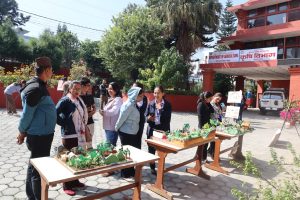
The visit was part of our ongoing capacity-building efforts aimed at strengthening farmers’ knowledge, skills, and motivation to adopt organic and sustainable farming practices. This interactive learning experience provided farmers with valuable insights into practical techniques and innovations that can support the transition towards more resilient and sustainable agriculture in their own communities.

Farmers led on-farm trials to evaluate the performance of different Beans varieties in Dhusa, Ichchhakamana

Farmers in Dhusa, Ichhakamana are actively engaged in commercial vegetable farming as their primary source of livelihood. Among the major crops grown in the area, cucumber, and beans are cultivated extensively. However, farmers largely depend on agrovets for seeds and other agricultural inputs, and in many seasons, they face challenges related to poor seed quality. This often results in low yields and a decline in the market value of their produce.

To address this issue, as part of the ongoing Participatory Action Research initiative, our ForestAction Nepal’s agriculture team is working closely with farmers from Dhusa and has designed the on-farm trial aimed at evaluating the performance of different bean varieties following agroecological farming practices.

This farmer-led experiment aims to:

– Compare yield performance across different bean varieties.

– Assess produce quality for market suitability.

– Evaluate seed production potential to reduce reliance on external sources.

The trial includes four bean varieties recommended by NARC: Long Green Bean, Semi-light Long, Trisuli, and Chaumase. In addition, a popular local variety sourced from an agrovet in Fishling has also been included, as farmers widely favor it. Currently, land preparation and seed sowing have been completed. Moving forward, farmers will take the lead in monitoring and recording observations, focusing on the following aspects:

– Growth parameters.

– Pest and disease incidence

– Yield performance

– Seed production capacity