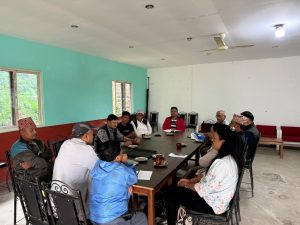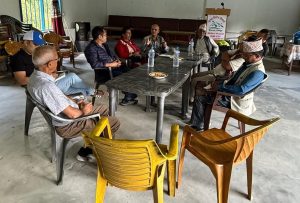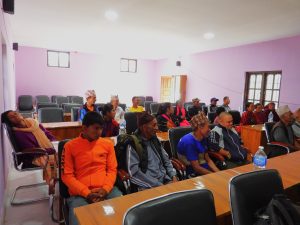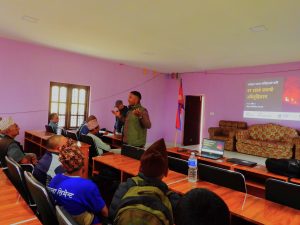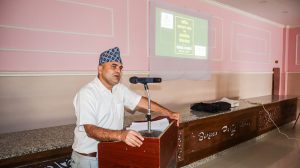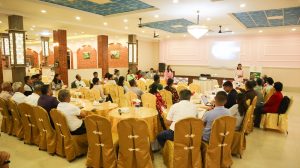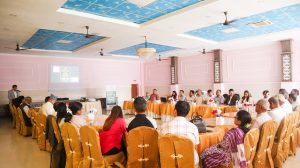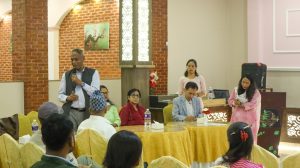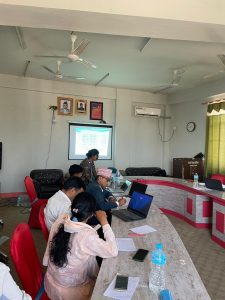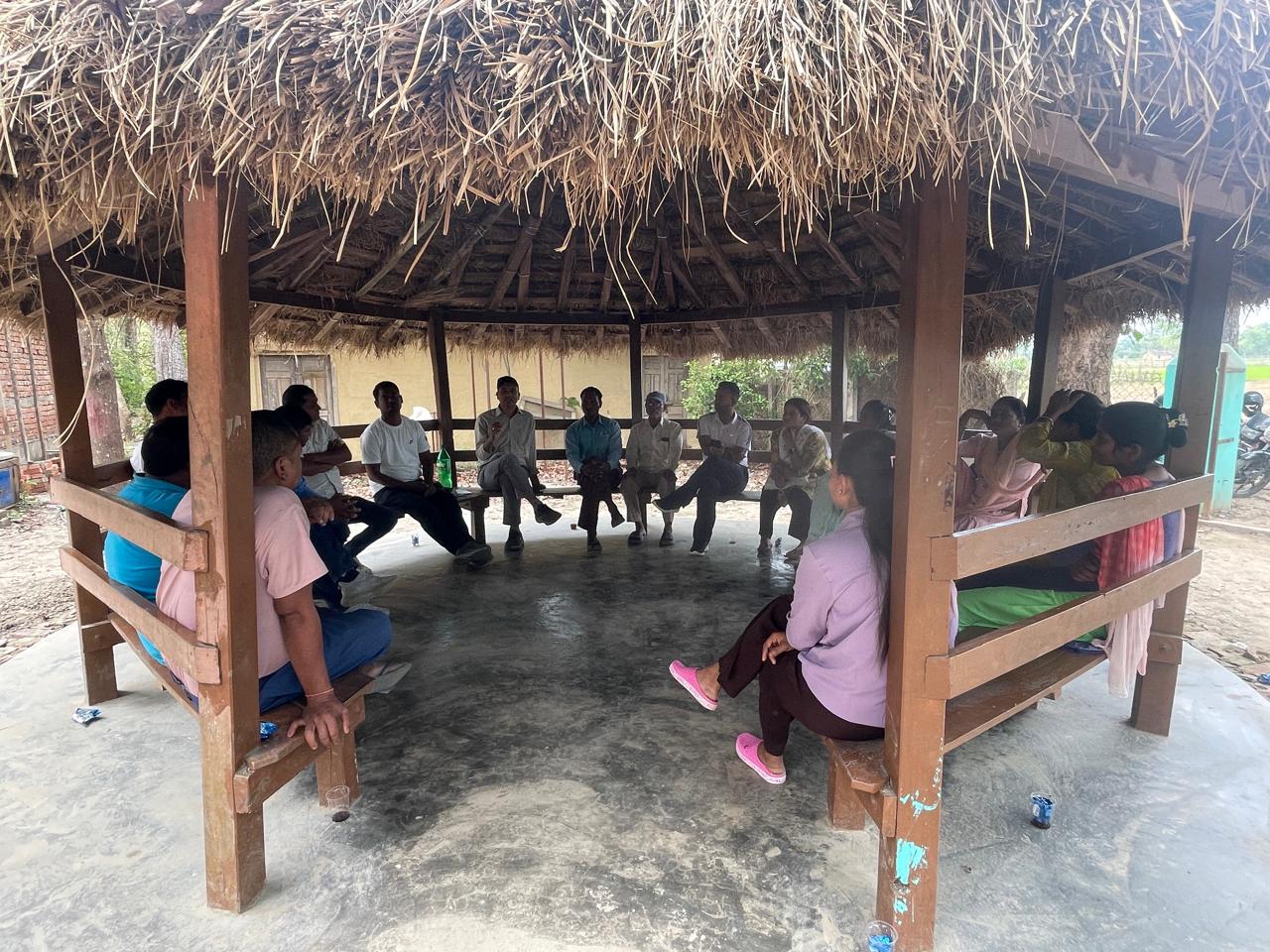
Orientation for masters students in agroecology at IAAS, TU

ForestAction Nepal recently partnered with the Agroecology Department of the Institute of Agriculture and Animal Science (IAAS) through a Memorandum of Understanding (MoU) to collaborate on research, provide student research grants, offer internships, and support capacity-building initiatives.

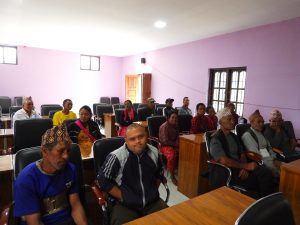
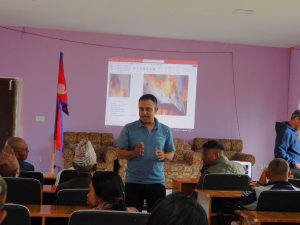
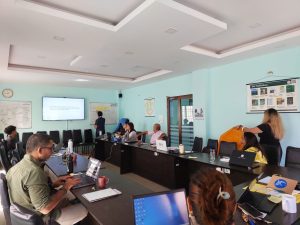
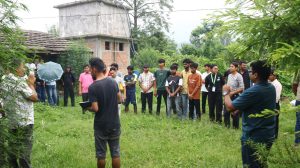
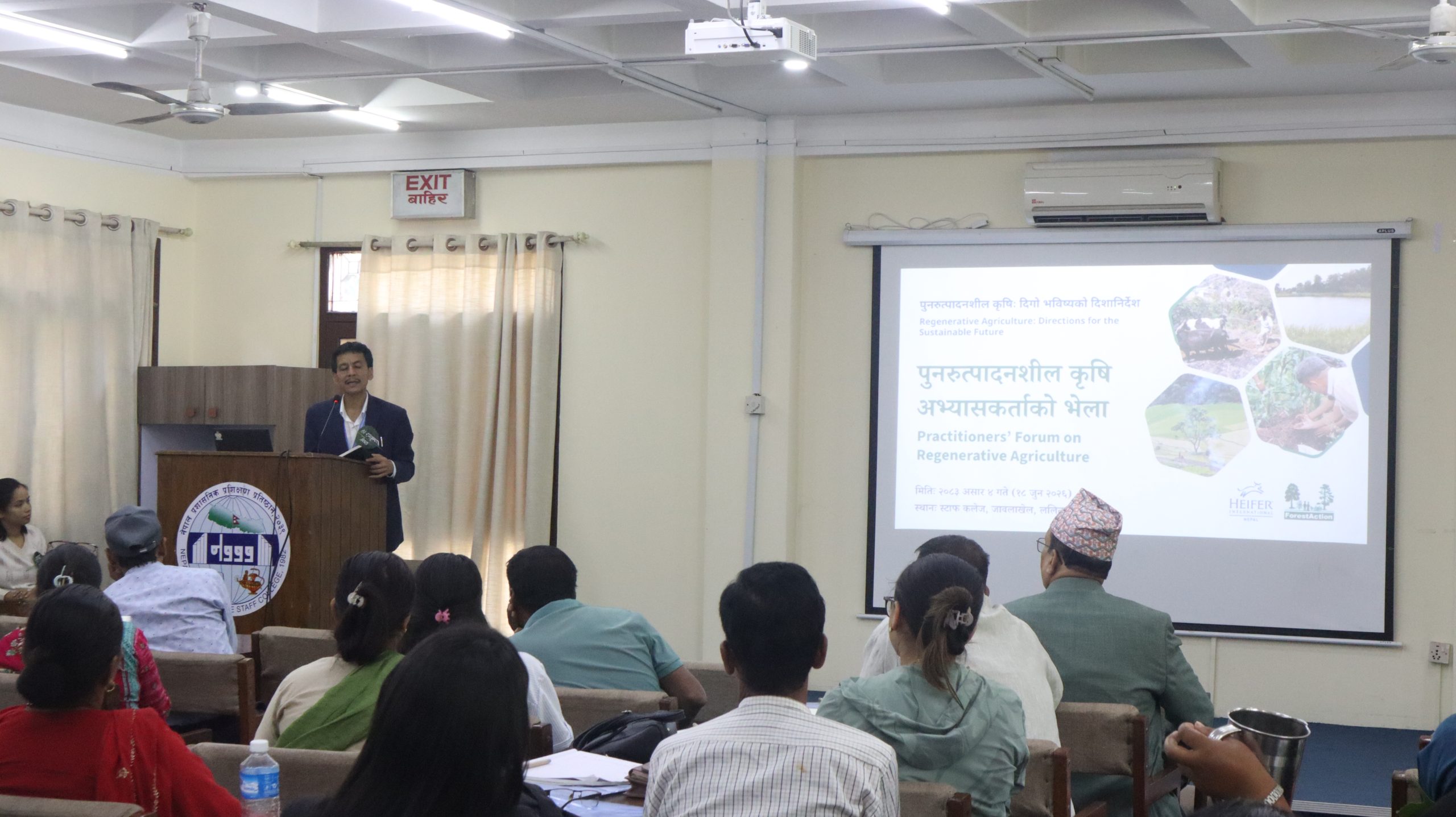
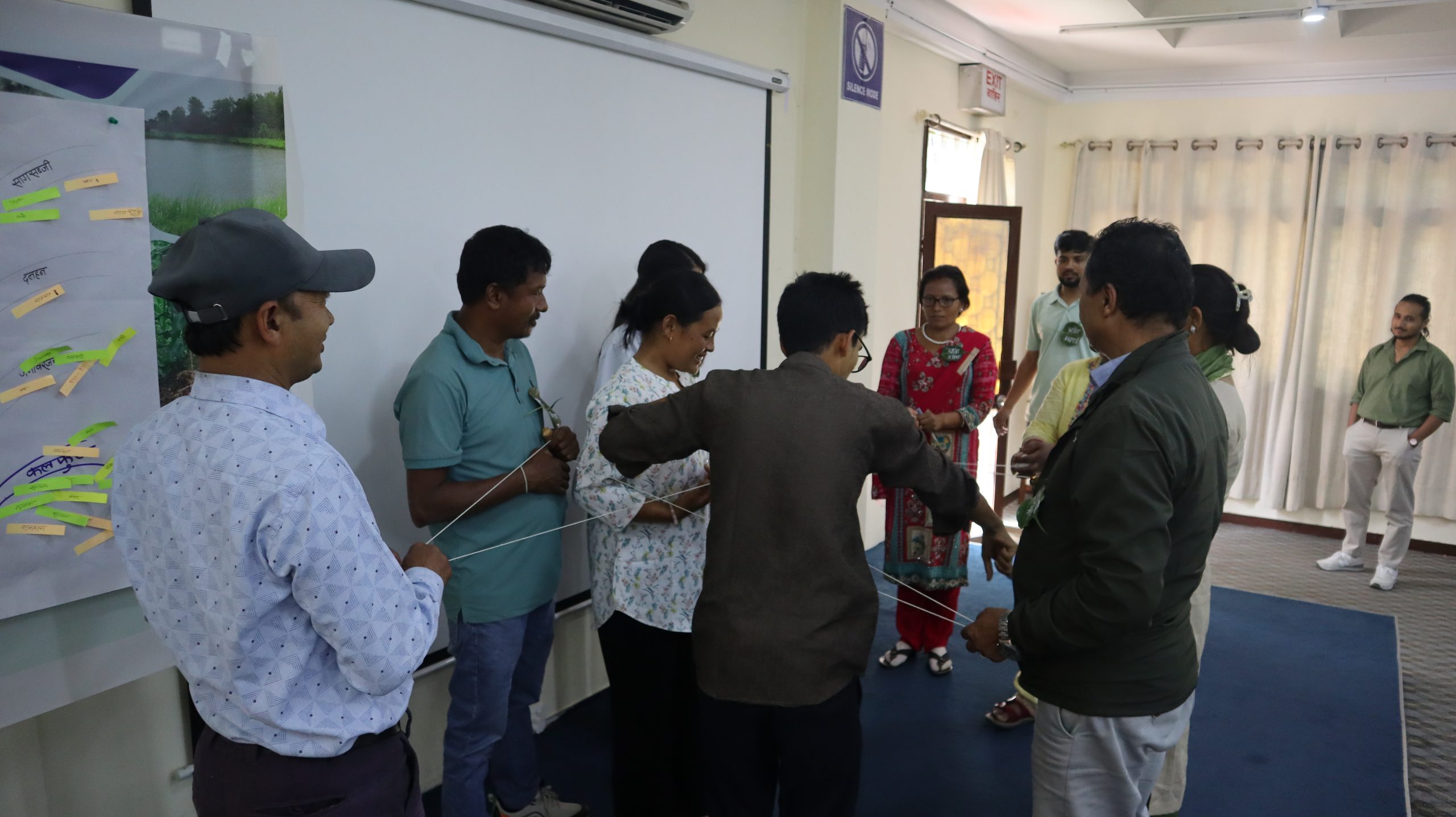
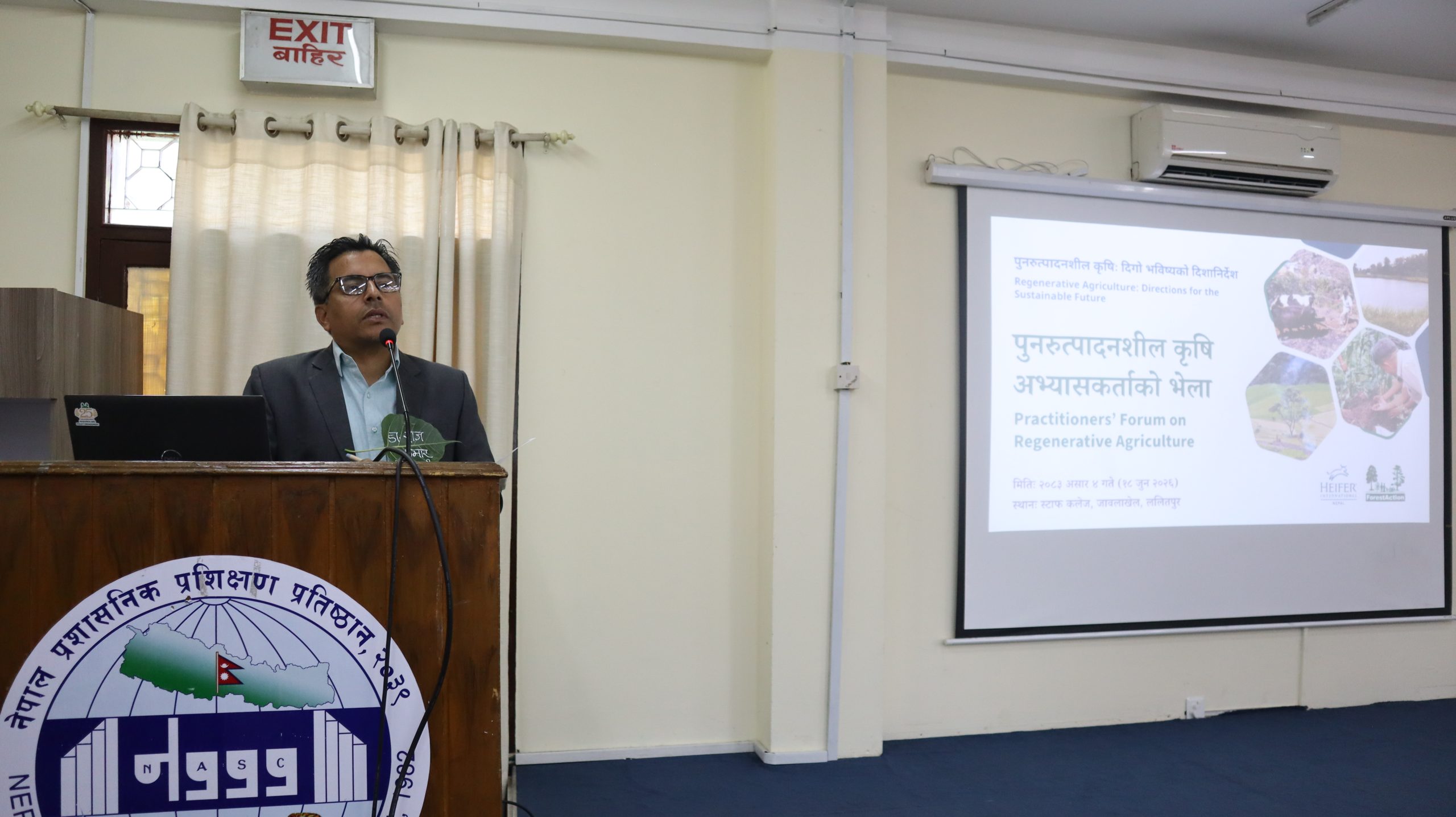
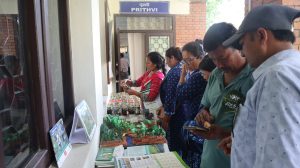
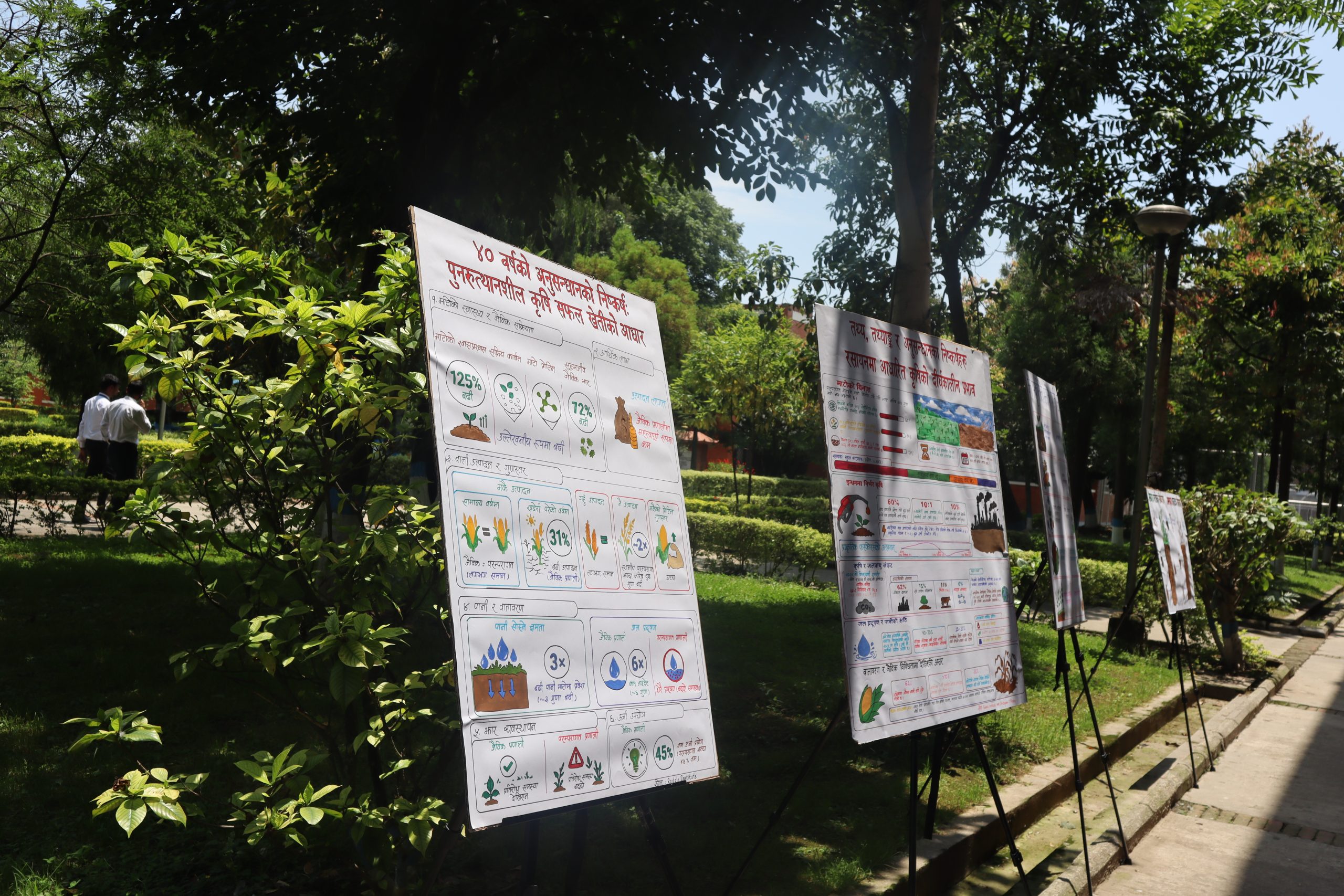
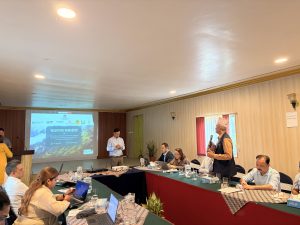
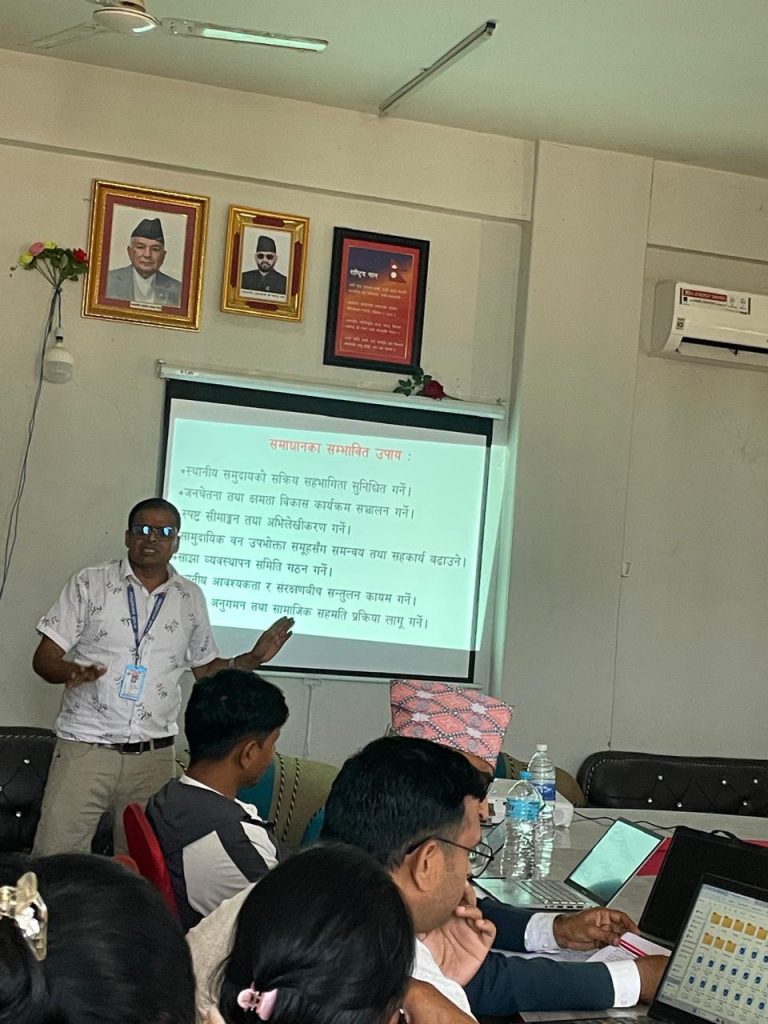
Following the agreement, on 5th April 2026, the Food and Agriculture team at ForestAction Nepal participated in an orientation program for Masters students in Agroecology organized by the department. During the session, the team presented the organization’s vision, core areas of work, and approach, highlighting its long-standing commitment to promoting agroecology and sustainable agriculture across Nepal. They also introduced opportunities for student engagement, including field-based research, internships, collaborative projects, and capacity-building activities that connect academic learning with real-world practice.

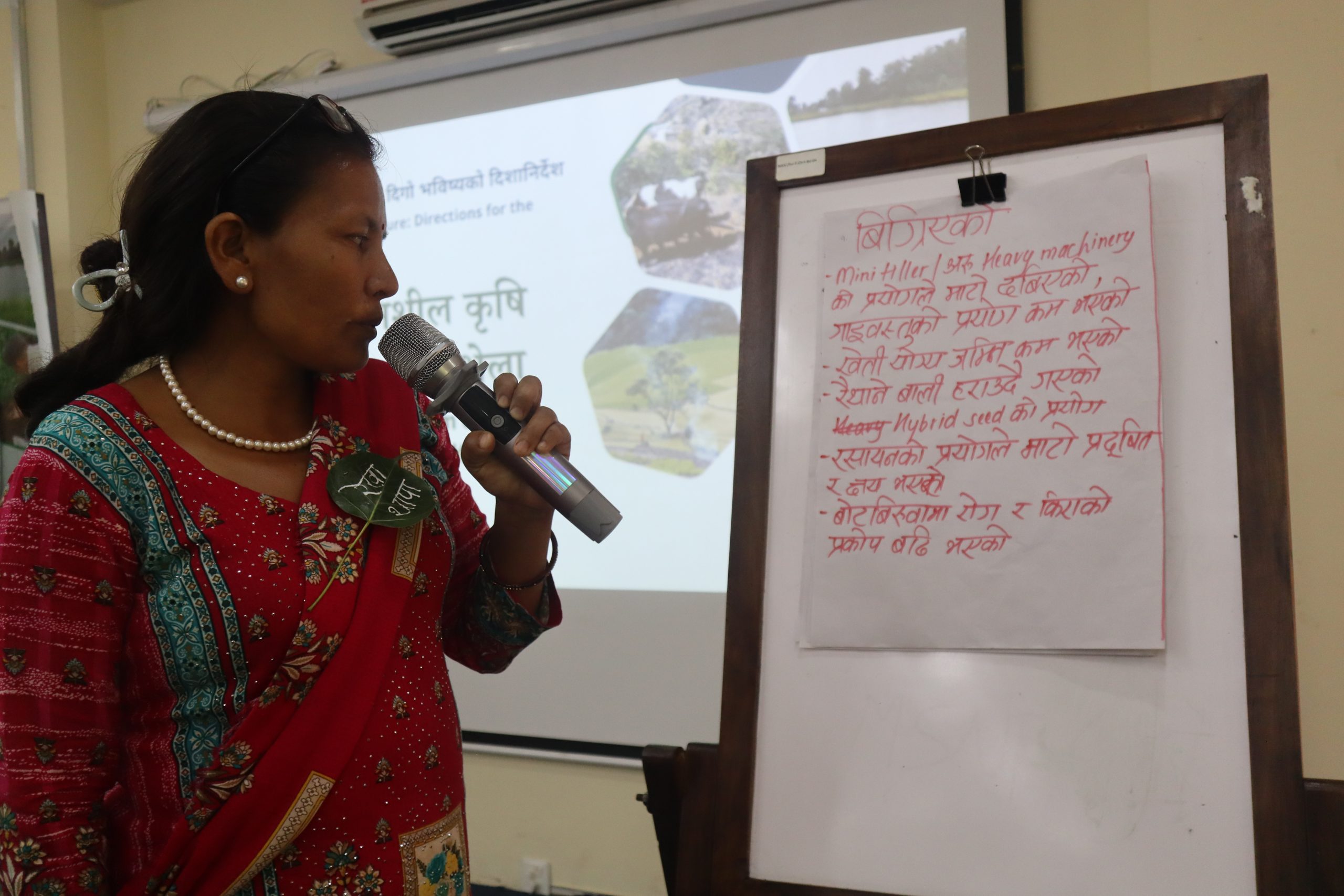
After the presentation, an interactive session was held where students raised questions on practical challenges in implementing agroecology, such as scalability, policy support, and market access for organic and local products. The ForestAction team addressed these queries and explained how the organization is actively working to overcome these challenges.

This session provided students with a closer understanding of ForestAction’s work, offered valuable insights into agroecology in practice, and facilitated discussions on potential areas for collaboration between students and the organization.

Exchange visit to organic farms in Chitwan: learning from the field

Exchange visit to organic farms in Chitwan: learning from the field

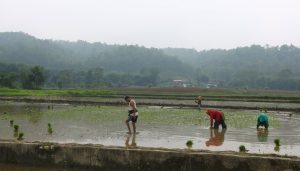
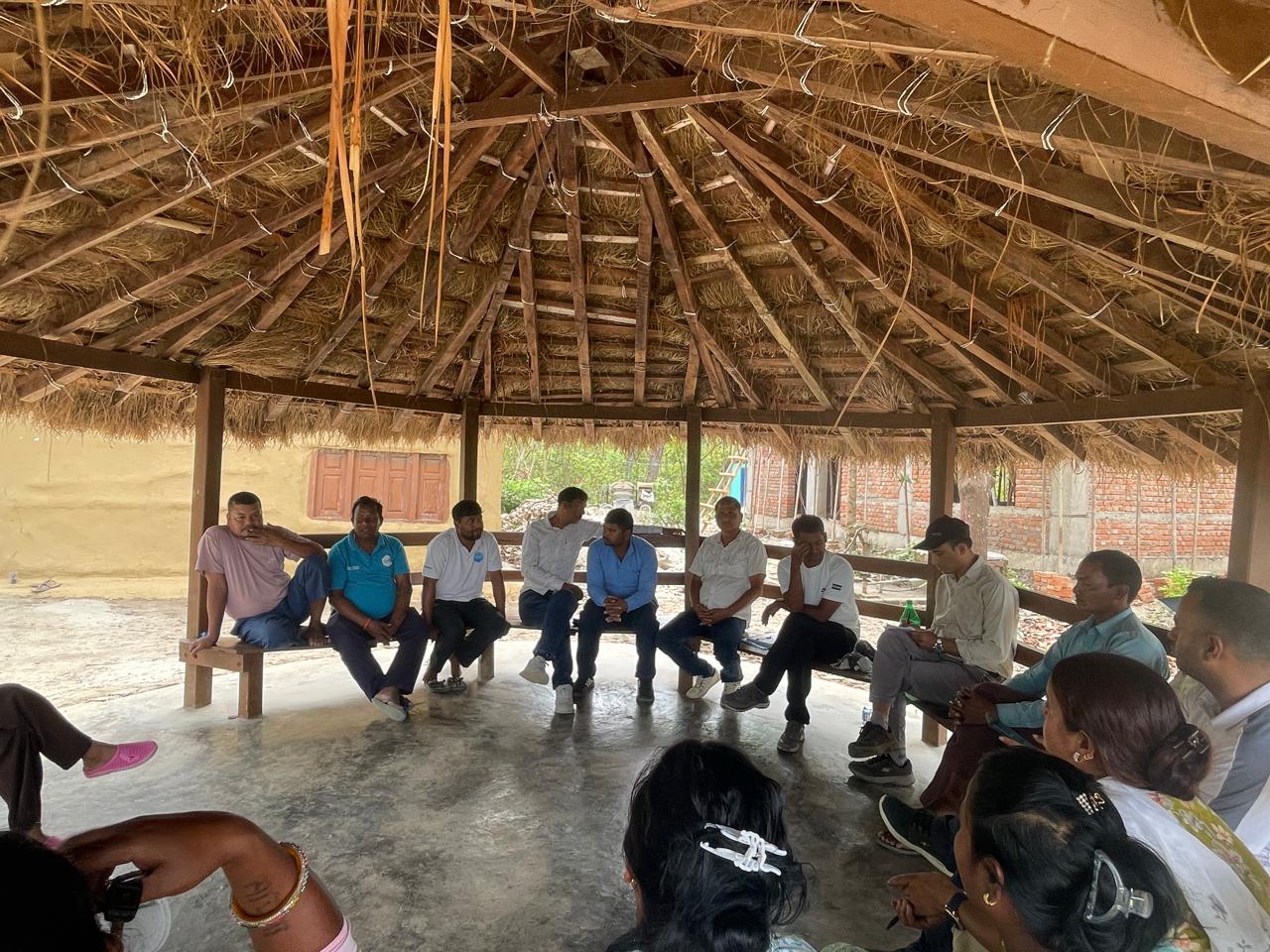
ForestAction Nepal has been actively engaging in participatory action research on agroecology with farmers in Dhusa, Ichchhakamana RM, Chitwan, a journey that began as a small-scale initiative and has now evolved into a formal Community Action Group (CAG) consisting of nine lead farmers. To support this growth, ForestAction provides continuous technical backstopping and capacity-building opportunities.

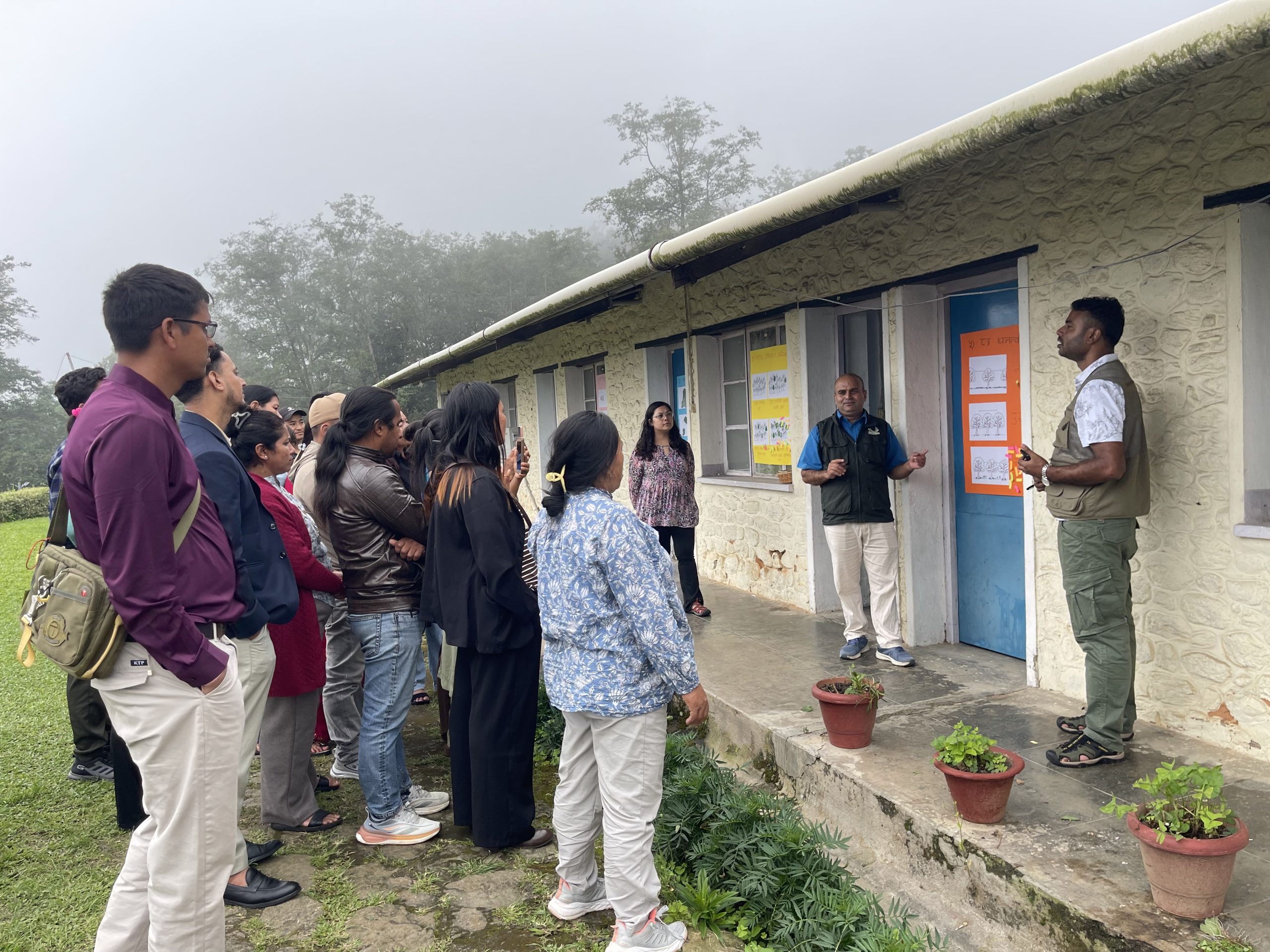
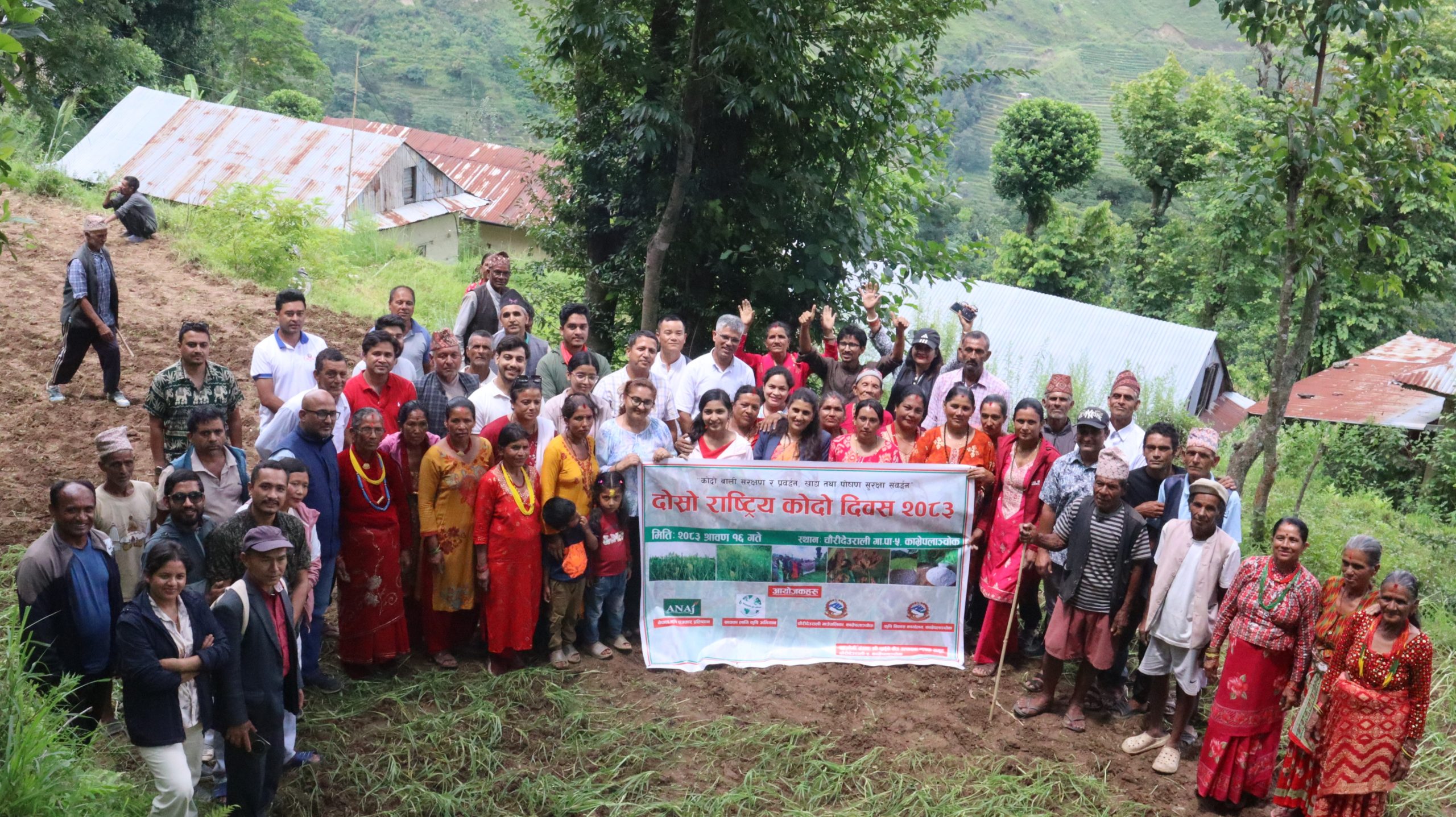
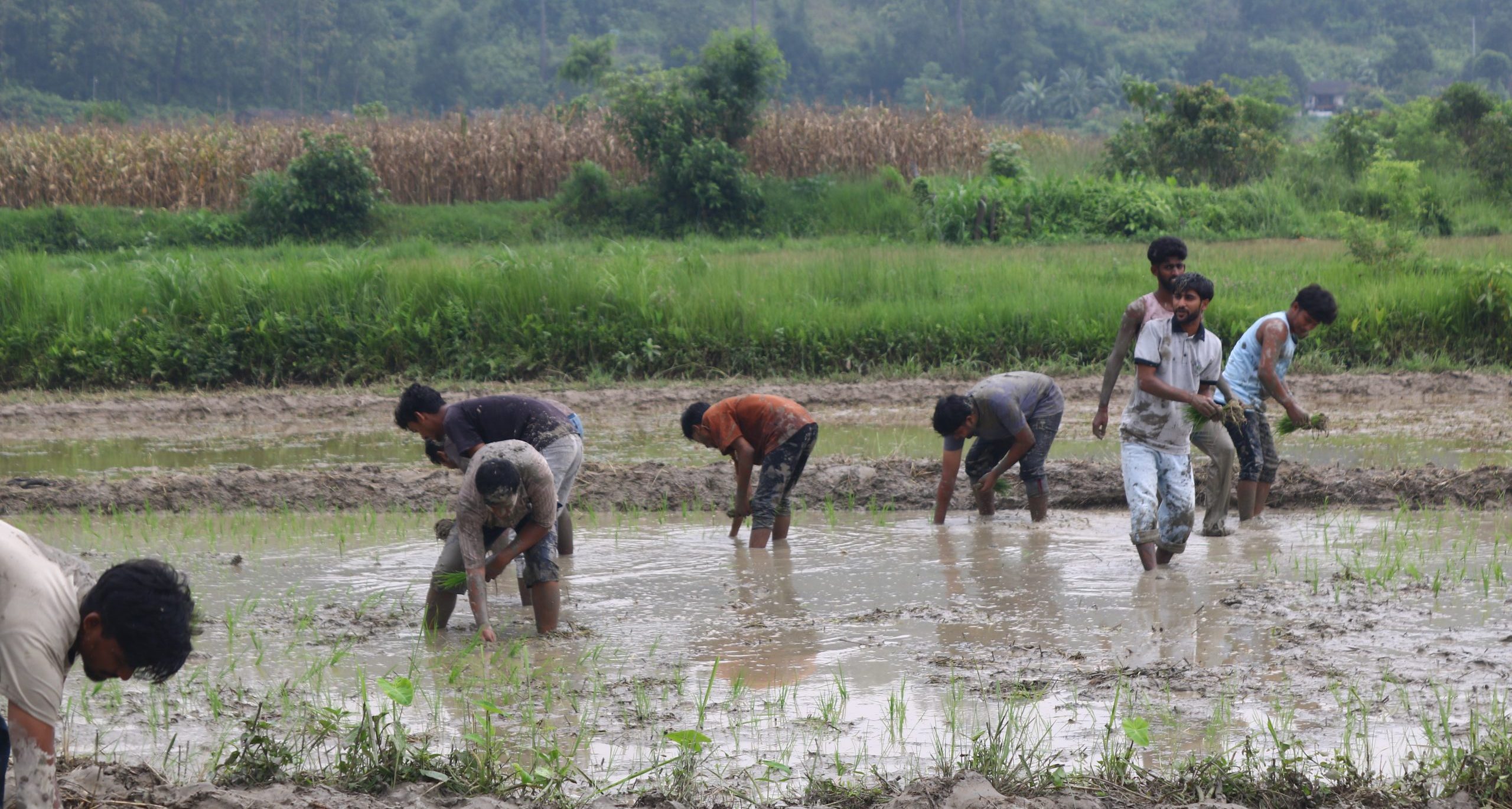
As part of these efforts, on 31st March 2026, an exposure visit to successful organic farms was organized for the CAG members. The main objective of this exchange visit was to provide farmers with a platform to share experiences, observe best practices, and explore innovative approaches in chemical-free agriculture. The visit emphasized peer-to-peer learning, fostering collaboration and practical knowledge exchange among local practitioners.

First site: Prangarik Krishi Utpadan Kendra, Fulbari, Bharatpur-15

The first stop was the Prangarik Krishi Utpadan Kendra, farm of Mr. Chandra Prasad Adhikari, a leading organic farmer and a President of the District Organic Federation (Jilla Prangarik Sangh). Mr. Adhikari provided participants with a comprehensive overview of organic farming covering production systems, market access, pricing, and the broader prospects of organic agriculture at the local, national, and international levels. His insights gave the CAG members a clear understanding of current status of organic sector and the opportunities it holds for smallholder farmers practicing chemical-free farming.

Following the orientation session, participants toured the farm, observing diversified farming practices, including vermi-compost units and other sustainable production techniques.

Second site: Prabhat Prangarik Krishi Utpadan Kendra, Sukranagar, Bharatpur-24

The group then visited the Prabhat Prangarik Krishi Utpadan Kendra, owned by Mr. Chhabi Lal Neupane, a long-time practitioner of large-scale organic farming. Drawing on years of hands-on practice, he shared his experiences and key lessons in sustaining organic production. He also conducted a live demonstration of organic and natural disease and pest management techniques, offering practical and replicable insights that participants could apply on their own farms.

Key takeaways

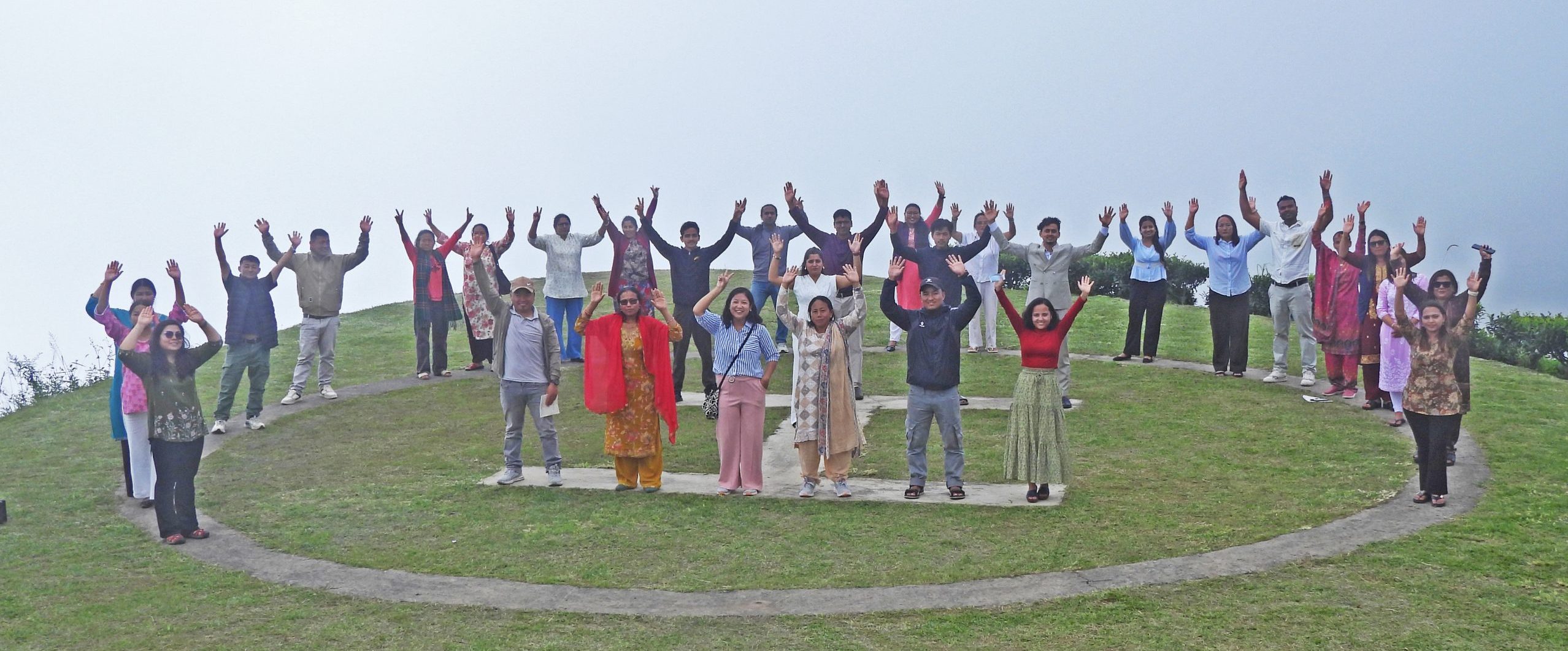
The exchange visit was a valuable learning experience for the CAG members, reinforcing the viability of chemical-free farming and deepening their confidence in adopting and scaling up such practices on their own farm in Dhusa, Ichchhakamana. Interacting with lead organic farmers and observing their farms firsthand helped bridge the gap between knowledge and practice, strengthening the community’s commitment to sustainable and regenerative agriculture.


Advancing gender equality and inclusion through GEDSI training initiative

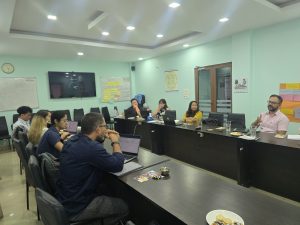
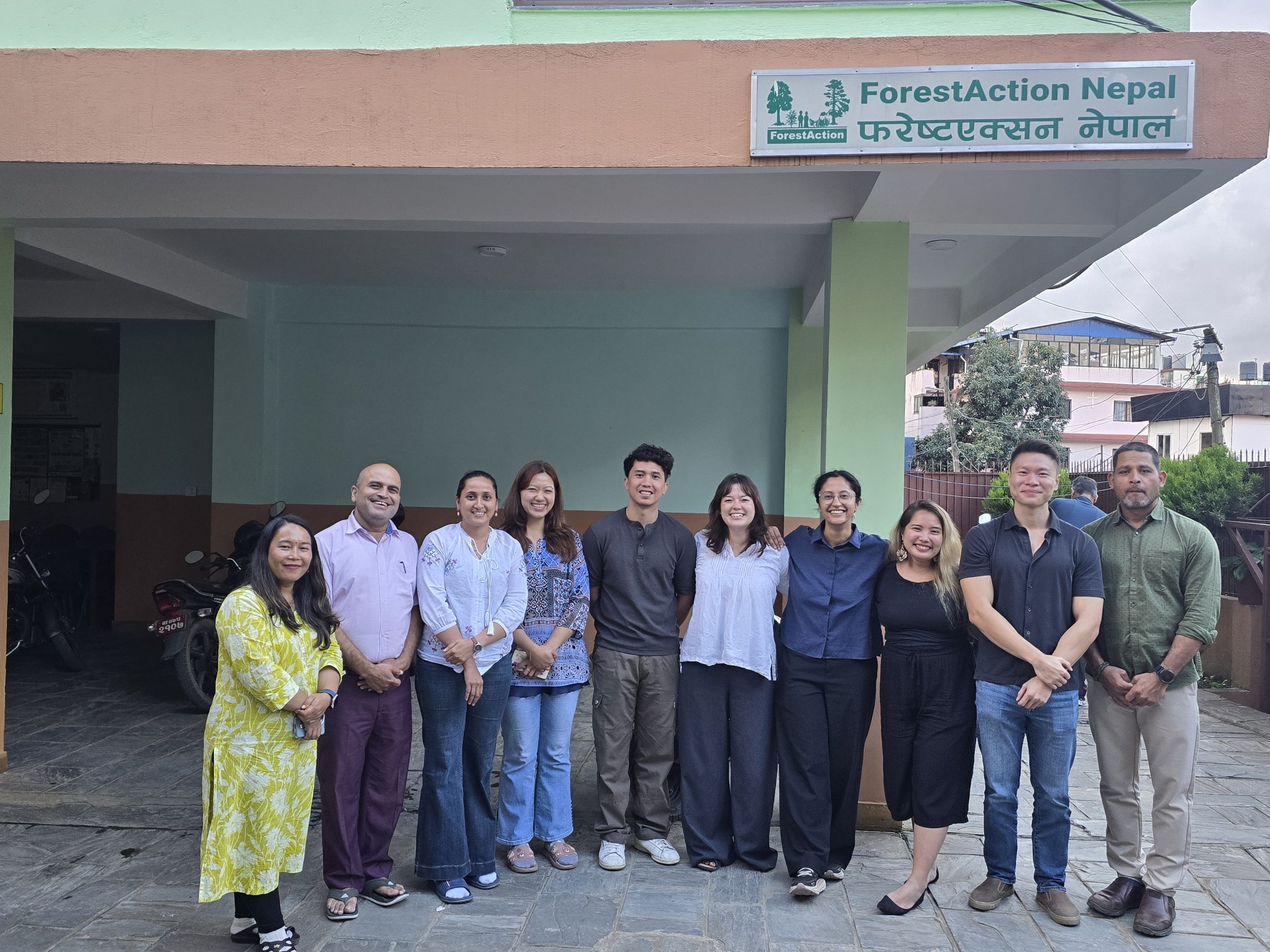
A three days training workshop on Gender Equality, Disability, and Social Inclusion (GEDSI) was organised from 13th to 15th March 2026. The workshop was supported by Australian Himalayan Foundation (AHF) for its partners in Nepal. ForestAction Nepal being one of its partners hosted the event at its office. The training was conducted with professionals from different organisations and background with the aim of strengthening their understanding and application of GEDSI approaches.

The workshop was comprehensively designed, with each day covering key concepts on PSEAH, gender equality and disability and social inclusion. Through interactive and participatory methods, the facilitators guided the participants on approaches to mainstream GEDSI at organisational, programs and community level interventions. Participants reflected and shared on the existing gaps and actions through case studies, quiz and discussion for promoting inclusion in different areas of work (forestry, education, health). Similarly, participants actively engaged throughout the three days which contributed to a collaborative learning environment to build stronger network among the professionals. On 15th March, the workshop concluded with participants’ sharing their actionable outputs for the upcoming months to ensure GEDSI initiatives in their programs and organisation.

What happens when a community takes the lead in restoring its soil?

“Soil is not just dirt, it is life. And when a community cares for it, the land and people grow together.”

In the hills of Ichhakamana Rural Municipality, Dhusa, the answer is gradually unfolding through the collective effort of farmers. Here, agroecology is not just a project intervention, it is becoming a shared pathway toward healthier soils, stronger local knowledge, and more resilient livelihoods.

Dhusa: A landscape of ecological fragility

Dhusa (Upper) is a remote settlement located in the steep northern hills of Ichhakamana Rural Municipality in Chitwan District. Reaching the village requires a 2-3 hour drive from Kathmandu along the Kathmandu–Muglin highway to Fishling, followed by a 1–1.5 hour uphill walk through Gurung Gaun (Lower Dhusa/Pipal Dada).  Steep slopes, fragile land, and limited flat land (narrow terraces), this is the landscape that shapes life and farming in Dhusa.

Agriculture in Dhusa depends largely on monsoon rainfall, making farming highly vulnerable to climatic variability. Over time, local farming systems increasingly shifted toward Green Revolution based agricultural practices, including the extensive use of chemical fertilizers, pesticides, and imported seeds. While these changes were often adopted with the expectation of increasing production and income, they have led to declining soil fertility, erosion of soil biodiversity, increased production costs, and growing dependence on external inputs.

In such a landscape, soil health becomes central, not only to crop production but to long-term resilience and food security.

The Chepang community: Indigenous knowledge and changing livelihoods

Among Dhusa’s inhabitants, the Chepang community, one of Nepal’s most marginalized Indigenous groups, has a profound relationship with the nature. Traditionally living along the steep slopes of the Mahabharat range, they inhabit areas within Chitwan and Makwanpur, as well as parts of Gorkha, Lamjung, and Tanahun districts.  Their language, culture, and knowledge are deeply rooted in the forests, soils, and ancestral practices of the region.
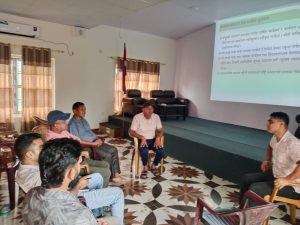
Historically, Chepangs practiced slash-and-burn (khoriya) farming, growing staple crops such as maize and millet, along with vegetables like yam and nettle, and fruits such as chiuri and banana. The Chiuri tree, in particular, holds special cultural and economic significance and it is also traditionally given as a marriage gift to daughters, ensuring long-term livelihood security. Chepang’s farming systems were closely connected to forest ecosystems and local biodiversity, and over generations they developed valuable indigenous knowledge related to seed selection, soil management, and ecological balance. Women, especially, have played a crucial role in preserving seeds and transmitting agricultural knowledge across generations.

However, with the shift toward externally imposed commercial farming systems, alongside changing socio-economic dynamics, has led to a gradual erosion of the cultural and ecological significance of Chiuri and other traditional farming practices. Despite these changes, khoriya lands continue to hold spiritual significance. Rituals like bhumipooja, kulpuja, and diyali reflect a sacred relationship with the land, while wild foods from fallow fields provide critical support during seasonal food shortages.

It is within this fragile, culturally rich, and marginalized context that Dhusa’s quiet transformation is taking root.

A Year of learning from the land of indigenous people

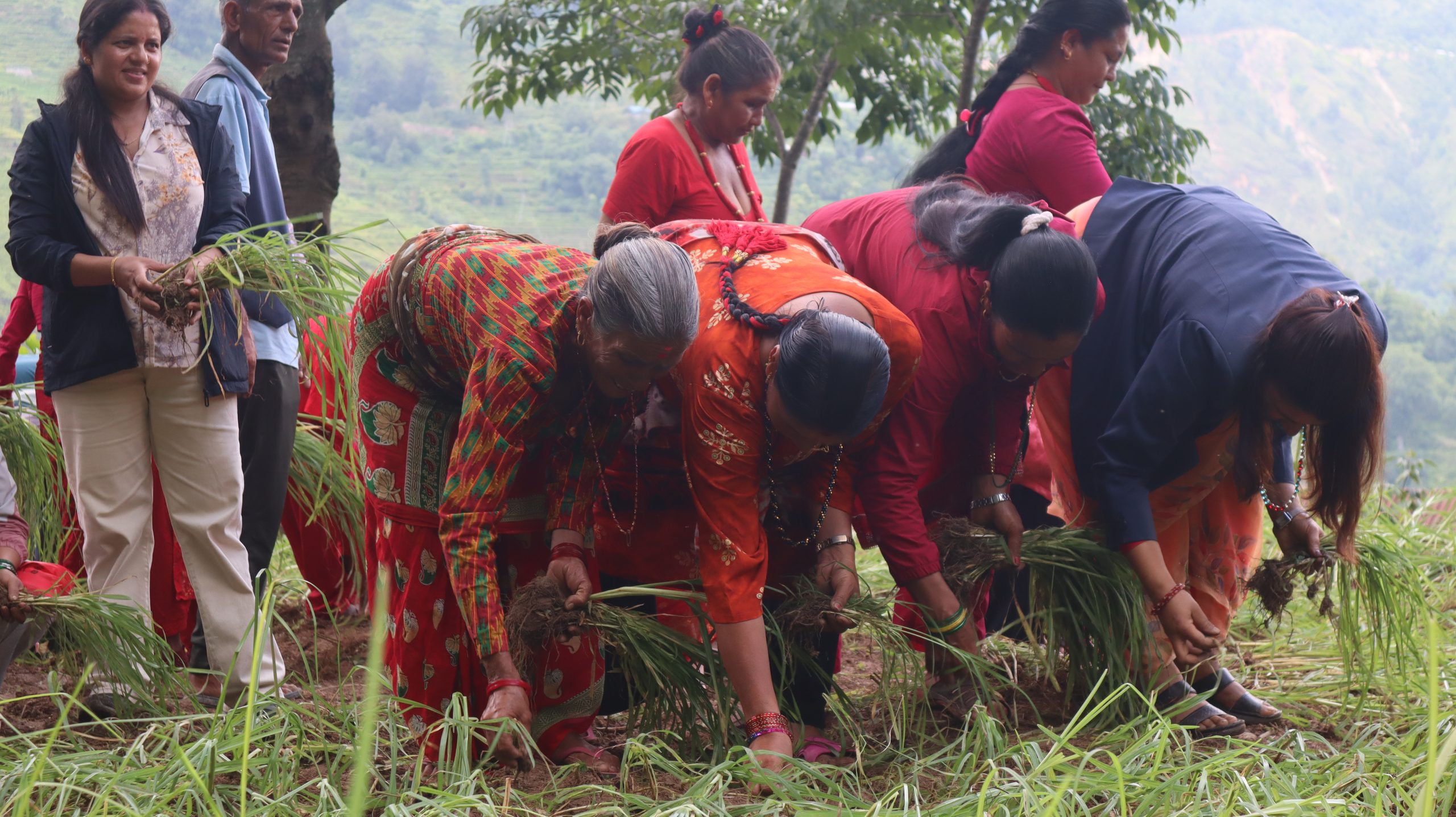
Dhusa is the current project site where ForestAction Nepal has been implementing the community-led Soil Restoration through Participatory Action Research on Agroecology initiative since mid-2024. This initiative brings together both Chepang and Gurung households, who share strong neighborhood bonds and longstanding social relationships. This close inter-community connection has created a supportive environment for collective learning, dialogue, and experimentation.Over the past year, farmers from both communities have embarked on a learning journey, testing, observing, and reflecting on agroecological practices directly in their own fields. Each experiment, whether in composting, mulching, preparing biofertilizers or biopesticides, or vermicomposting, has been an opportunity to understand their soils better, adapt practices to local conditions, and strengthen their sense of shared responsibility.These practices are not new to them, instead they are rooted in the farmers’ existing knowledge systems. The learning journey, however, has been about making these techniques easier, more efficient, and more effective in restoring soil health. Farmers have experimented with different proportions, improved preparation methods, and adapted practices to suit the steep slopes and fragile soils of their fields.This process goes far beyond technical training. It is a collaborative exploration where farmers are both teachers and learners, co-creating knowledge, observing outcomes, reflecting on successes and challenges, and continuously adapting their methods. They are not passive recipients of information but active agents of discovery, gradually building confidence in their skills and deepening their understanding of the living soil beneath their feet.
Through this ongoing journey, learning is as much about nurturing soil as it is about nurturing community, knowledge, and resilience, transforming both the land and the people who care for it.

Leadership from within: The voice of practitioners

At the heart of this journey stands Ms. Daman Kumari Chepang. Deeply rooted in her community and confident in her voice, she has emerged as both a practitioner and an advocate for soil restoration.

Through hands-on work in her own fields, she began to see soil differently. It was no longer just a medium for crops, it was a living system, full of life, nutrients, and possibilities. She closely observed how self-prepared compost, mulch, and bio-fertilizers impacted her plots, taking notes, reflecting on the results, and continuously adjusting her methods. Every success sparked excitement, every setback sparked new ideas.

Her journey inspired others. Farmers who had not directly participated in field experiments began to ask questions, visit demonstration plots, and engage in discussions. Daman Kumari’s reflections and confidence created a ripple effect, encouraging others to see themselves as experimenters and observers rather than mere recipients of instructions.

She gradually became a living example of the initiative’s core principle that knowledge is not handed down, it is grown, nurtured, and shared, just like the soil itself. Her leadership is quiet but profound, it lies in asking questions, testing ideas, listening, and helping neighbors interpret the results of their own experiments.

Through Daman Kumari and the emerging community leaders, it became clear that soil restoration is not just about enriching land, it is about cultivating agency, confidence, and collective wisdom. In Dhusa, leadership is not defined by a title, but by action, curiosity, and the courage to learn alongside others.

Reflection, realization, and collective action

In early January 2026, the community people gathered for their annual reflection meeting. They shared successes, challenges, and surprises from the past year. But the conversation went deeper than crops and yields. Farmers discussed how their understanding of soil had changed, how dependence on external inputs could be reduced, and how long-term ecological stewardship could strengthen livelihoods.

This reflection revealed a shift in mindset: farmers were no longer only implementing techniques; they were taking ownership of the process. They were ready to organize, experiment, and lead collectively.

The birth of the Community Action Group (CAG) – 

Acting on this commitment, CAG was formally formed to carry the work forward. The group consists of nine core members, seven women and two men from Chepang and Gurung communities, farmers who have actively engaged in field experimentation and are motivated to support others.

Rooted in farmer’s experiences and local knowledge, the CAG now serves as a platform for:

  • Collective learning
  • Innovation and actions in agroecological practices
  • Stewardship of natural resources

For its members, agroecology is not a single technique. It is a way of farming that respects soil life, reduces dependence on external inputs, and strengthens resilience over time.

Soil restoration is not just about the land—it is about the people who care for it, and the relationships that grow along with it.”

In Dhusa, soil, culture, and community are learning together. The journey is still unfolding. After just one and a half years, the experiments continue, the soils are gradually regenerating, and new questions keep emerging.

What has already taken root, however, is something deeper: collective confidence. Farmers are no longer waiting for solutions; they are generating their own. They are observing more closely, deciding more independently, and acting more collectively.

Local leadership, shared responsibility, and confidence in their own knowledge are already taking root.

The soil may take years to fully recover. But, this foundation of community-driven learning and action may prove to be the most enduring restoration of all.


ForestAction Nepal shares insights from Jalthal Biodiversity Project & launches key publications

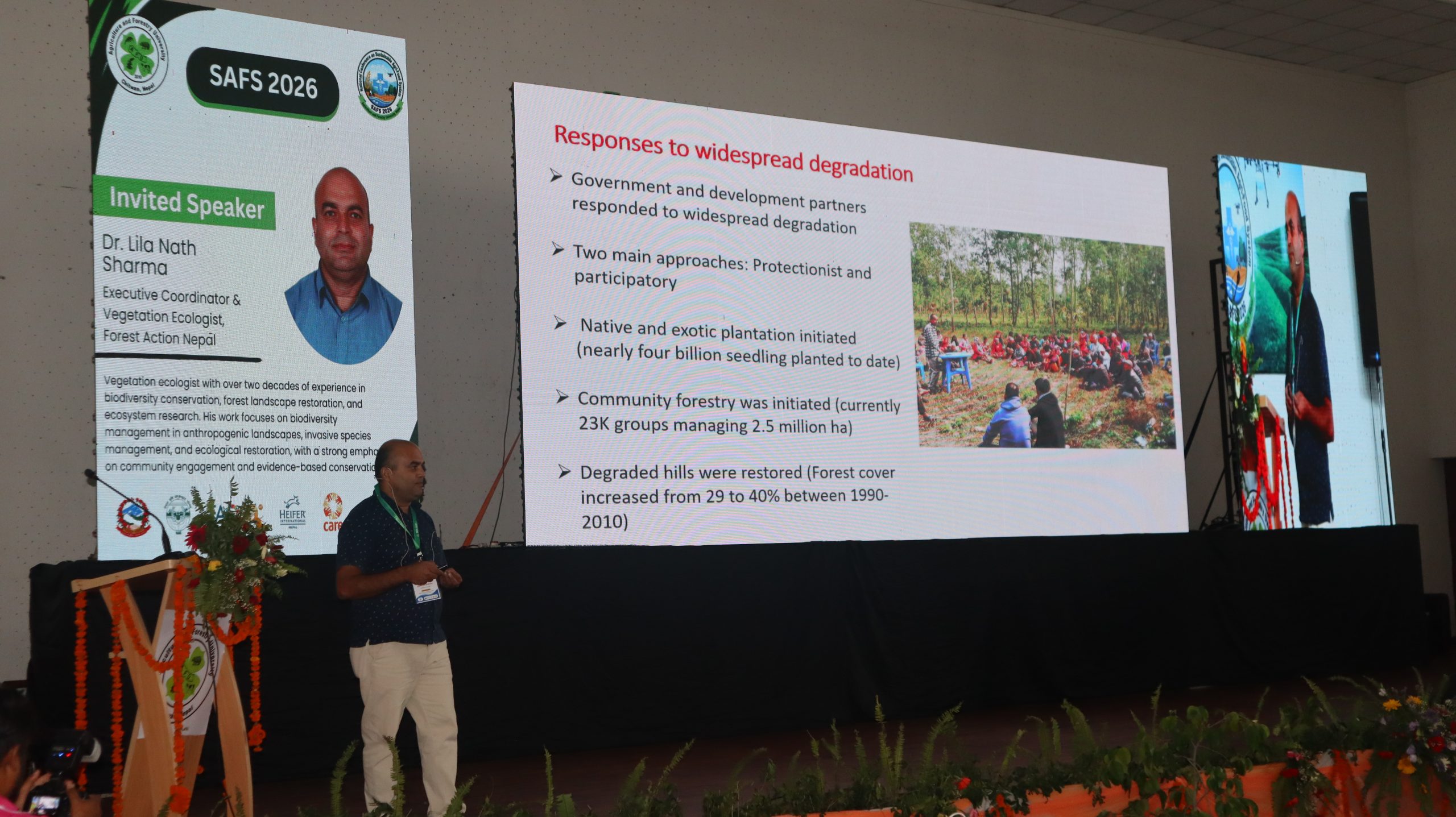
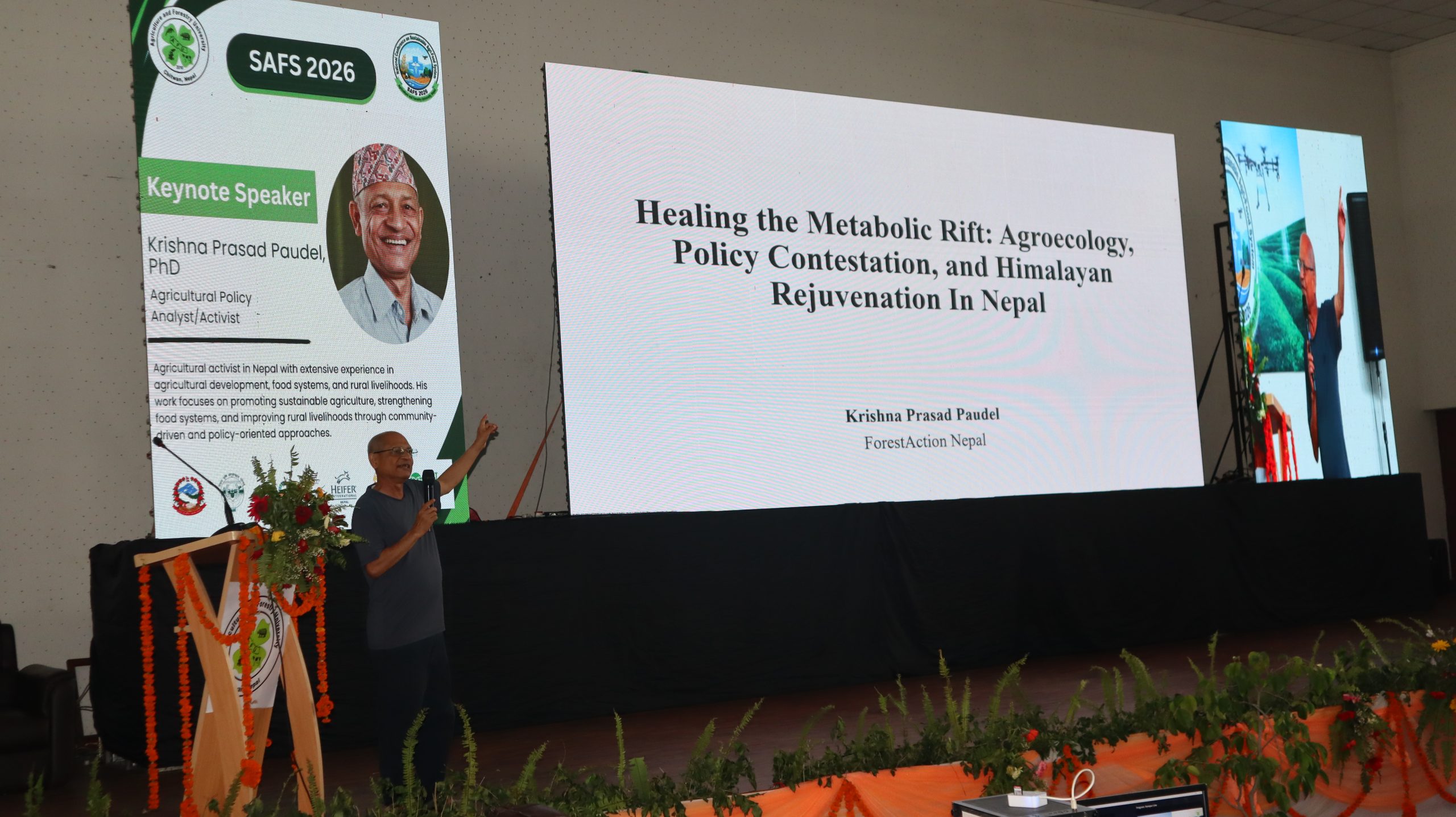
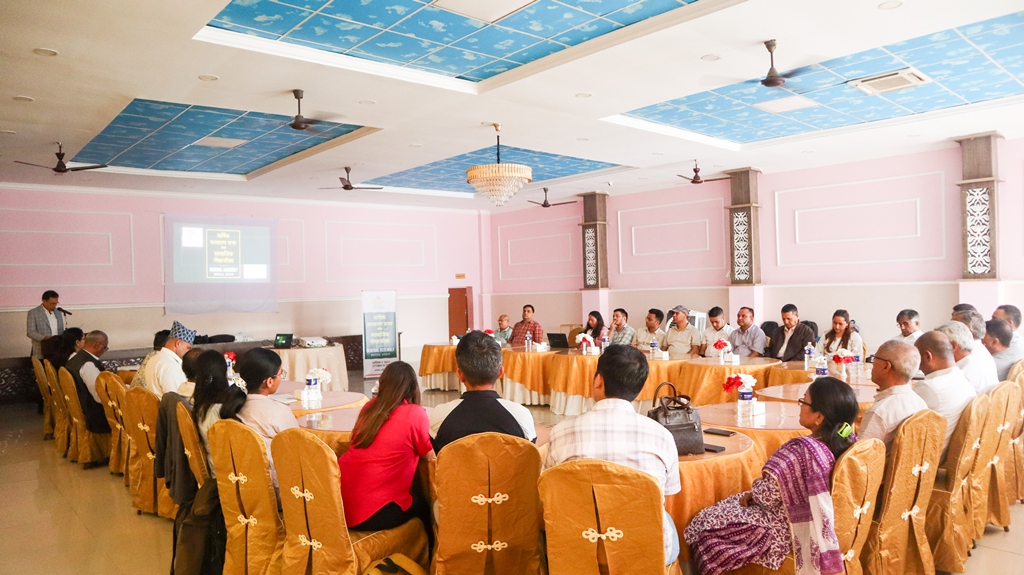
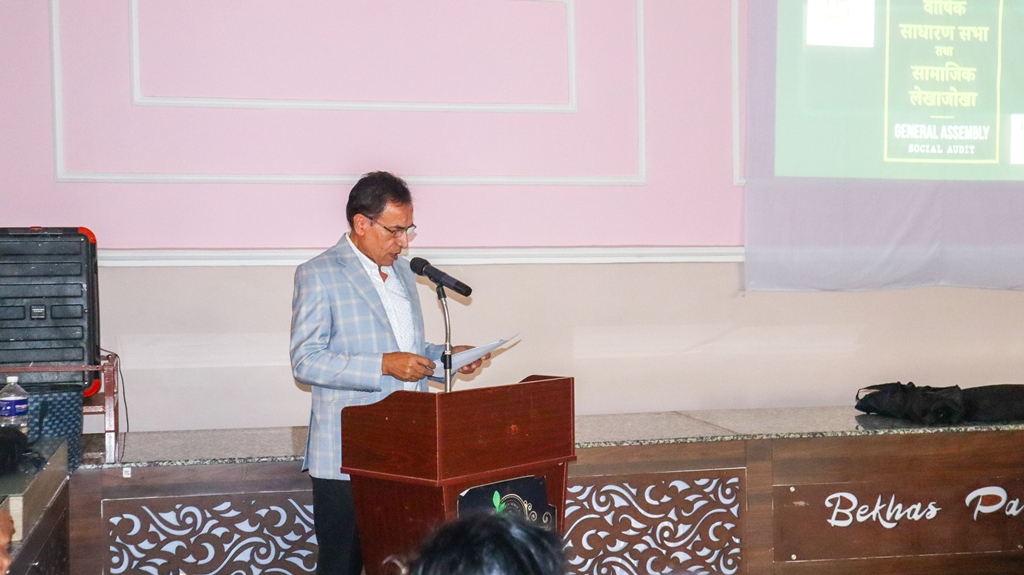
Marking the completion of six years Jalthal Biodiversity Project, implemented in the biologically rich Jalthal Forest, with the support from the UK Government’s Darwin Initiative, ForestAction Nepal organised a half-day sharing program “Biodiversity Conservation Beyond Protected Areas: Insights and Lessons from Jalthal Forest“, on 23rd February 2026 in kathmandu. The event was attended by the Secretary of the Ministry of Forests and Environment (MOFE) Nepal, His Excellency the British Ambassador to Nepal along with senior government officials, researchers, academics, development partners and community forest representatives.

A major highlight of the program was the official launch of two key publications: “Trees of Jalthal: A Guide to Identification and Conservation” and “Jalthal Forest: A Biodiversity Trove”. The book documents 168 tree species from 53 plant families Jalthal Forest, of which 14 species are new to Nepal. Along with that, most species across major taxonomic groups of plants and animals (flora, fauna, funga) have also been documented through infographics. The publications serves as a valuable resource for policymakers, conservationists, researchers, students, and forest user groups

Similarly, an engaging panel discussion consisting of representatives from government agencies, academia, civil society was also conducted. The discussion reflected on Nepal’s community forestry achievements while addressing gaps in biodiversity outcomes, financing constraints, data and the need for policy reforms to better integrate pro-biodiversity practices into forest management.


Fostering Agroecology: Community Engagement in Dhusa

During our recent field visit, on 14th February 2026, the team conducted a short follow-up at Dhusa, Ichhakamana, the project site where our participatory action research on Agroecology is ongoing. The visit primarily included a meeting with Daman Kumari Chepang, a community leader actively involved in strengthening local farming practices. The discussion focused on planning upcoming field actions and experiments, as well as mobilizing community action groups to enhance local engagement.

These engagements reaffirm our commitment to supporting community-led initiatives and scaling up sustainable and organic agriculture practices across the region.

Dialogue on Organic Agriculture: Scope and Challenges in Chitwan

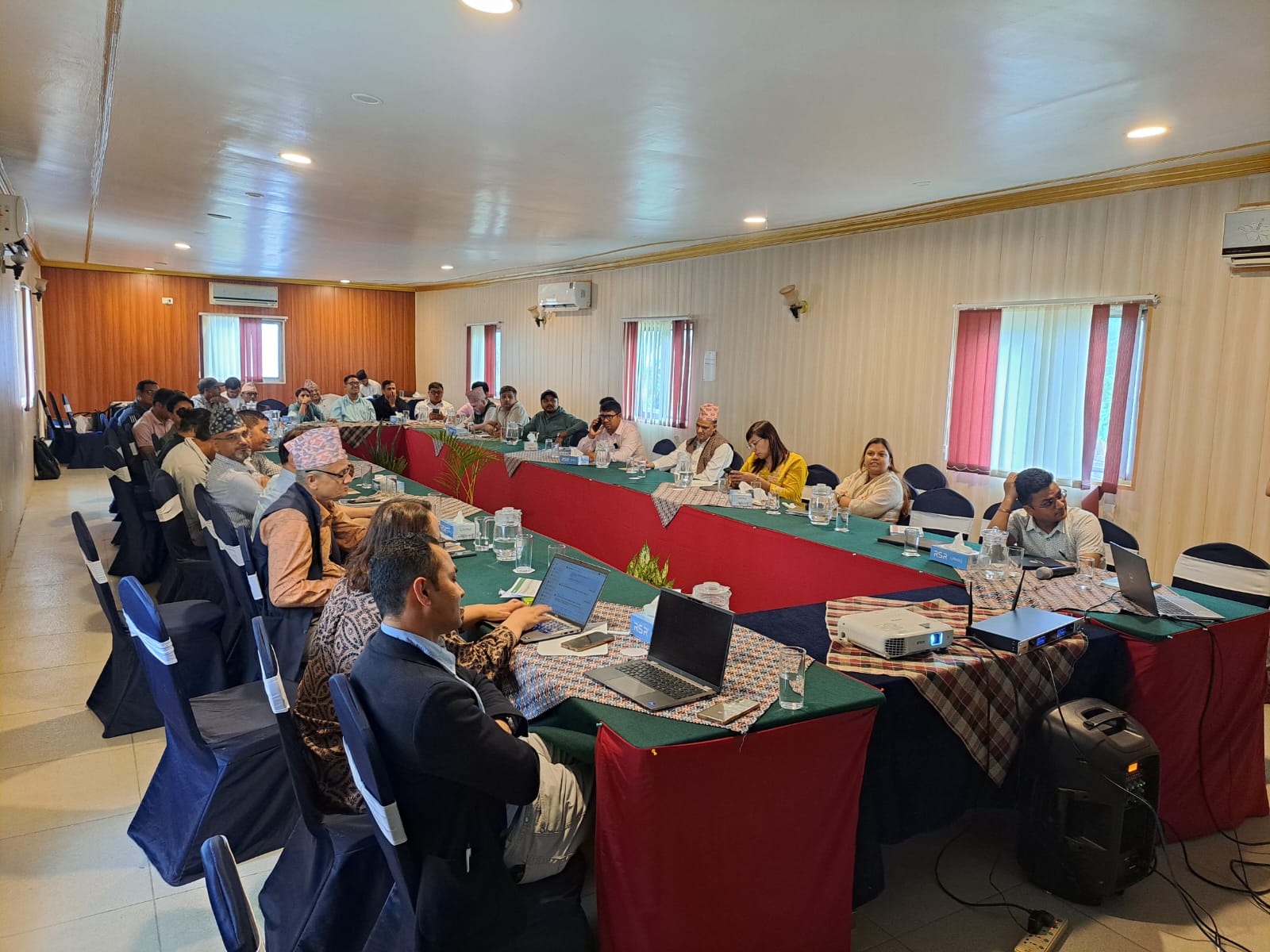
On 13 February 2026, ForestAction Nepal, in its role as the secretariat of the Alliance of Agriculture for Food (AAF), in collaboration with Jilla Prangarik Sangh Chitwan, organized a discussion program titled “Organic Agriculture: Scope and Challenges.” The event was held at the DADO Office in Bharatpur, Chitwan District, and brought together around 50 participants. Attendees included the Chief of the District Coordination Committee, Mr. Narayan Prasad Adhikari; the Head of the District Agriculture Development Office, Mr. Jhalak Nath Kadel; the Head of the Public Health Office, Mr. Nirmal Ghimire; Assistant Professor Mr. Ananta Subedi from the Department of Ecology at Agriculture and Forestry University; as well as farmers, cooperative representatives, other government officials, civil society actors, researchers, private sector stakeholders, members of the AAF secretariat and Jilla Prangarik Sangh.

The program aimed to create a shared platform for dialogue on the current status, opportunities, and challenges of organic agriculture in Chitwan and beyond. Representatives from Jilla Prangarik Sangh Chitwan presented the historical evolution of organic farming in the district, highlighting key milestones such as the formation of producer cooperatives, the implementation of participatory certification initiatives like Participatory Guarantee System (PGS) and Internal Control System (ICS), and the development of emerging market linkages. Practical experiences in collective marketing, internal control systems, and quality assurance mechanisms were shared as important measures to strengthen farmers’ bargaining power and reduce certification costs.

As the secretariat of the AAF, ForestAction Nepal delivered a presentation highlighting its mandate and ongoing efforts to promote agroecology from community to policy levels. The session introduced AAF and the secretariat’s role in facilitating policy research, dialogue, public advocacy, and participatory action research. It also highlighted the importance of linking grassroots experiences with policy processes to ensure relevant and actionable insights.

The formal presentations were followed by an open discussion session, during which guests and participants shared their perspectives and reflections. Mr. Narayan Prasad Adhikari, the chief of DDC, highlighted the urgent need to conserve and restore soil health. He emphasized that without protecting and nurturing soil, it is impossible to produce healthy food. Soil was described as a living system containing millions and billions of beneficial microorganisms, and it was widely agreed that only biologically active soil can sustain nutritious crop production, human health, and environmental balance.

Participants also highlighted the importance of integrating agriculture education into school curricula from the primary level. Introducing agriculture at an early stage was considered essential to inspire younger generations, build appreciation for farming, and encourage long-term engagement in sustainable agricultural practices.

Concerns were also raised regarding the limited research and technical support dedicated specifically to organic farming. Participants noted that government investment in organic-focused research, extension services, and capacity building remains insufficient. Policy inconsistency, frequent shifts in priorities, and the absence of a clear and comprehensive organic agriculture policy were identified as major institutional challenges. The continued subsidy support for chemical fertilizers, without comparable incentives for organic inputs, was highlighted as a structural barrier. In addition, weak coordination among government agencies and limited technical manpower at the local level were seen as constraints to effectively promoting and scaling up organic agriculture.

Community-led agroecological actions in Dhusa: Refining local solutions

As part of ForestAction Nepal’s ongoing community-led agroecological initiatives, our team is currently in the second year of an action research phase in Dhusa, Ichhakamana. We are focused on co-creating knowledge with local farmers through testing and refining small-scale agroecological technologies, specifically looking for ways to substitute external inputs, like chemical fertilizers and commercial seeds, with locally available resources.

Through previous trials, we observed that the nutrient composition of compost varies significantly based on the diversity of ingredients used (comparing single-ingredient versus multi-ingredient mixes). To validate these findings, we have repeated the composting trials in Dhusa with the lead farmer Daman Kumari Chepang.

During our recent field visit, 29th Jan, 2026, we collected two distinct compost samples for laboratory analysis. This assessment mainly aims to identify the most effective local preparation methods, which serves as vital evidence for scaling these practices.

Beyond nutrient management, our field actions also prioritize enhancing soil health through biological interventions. As part of this experimental phase, we have introduced laboratory-produced Trichoderma viride inoculum into farmers’ composting processes. This is believed to enable the on-farm culture and multiplication of beneficial fungi within local manure piles. The resulting fortified compost will be applied to cucumber fields, one of the major commercial crops in Dhusa, to assess its effectiveness against high-impact soil-borne pathogens, specifically root rot and Fusarium wilt, which are currently affecting farmers’ crops.

Success in these plots will pave the way for scaling up this practice across the wider farming community.


Unpacking and bridging the financial barriers to empower Women-Led Enterprises (WLEs) in Nepal

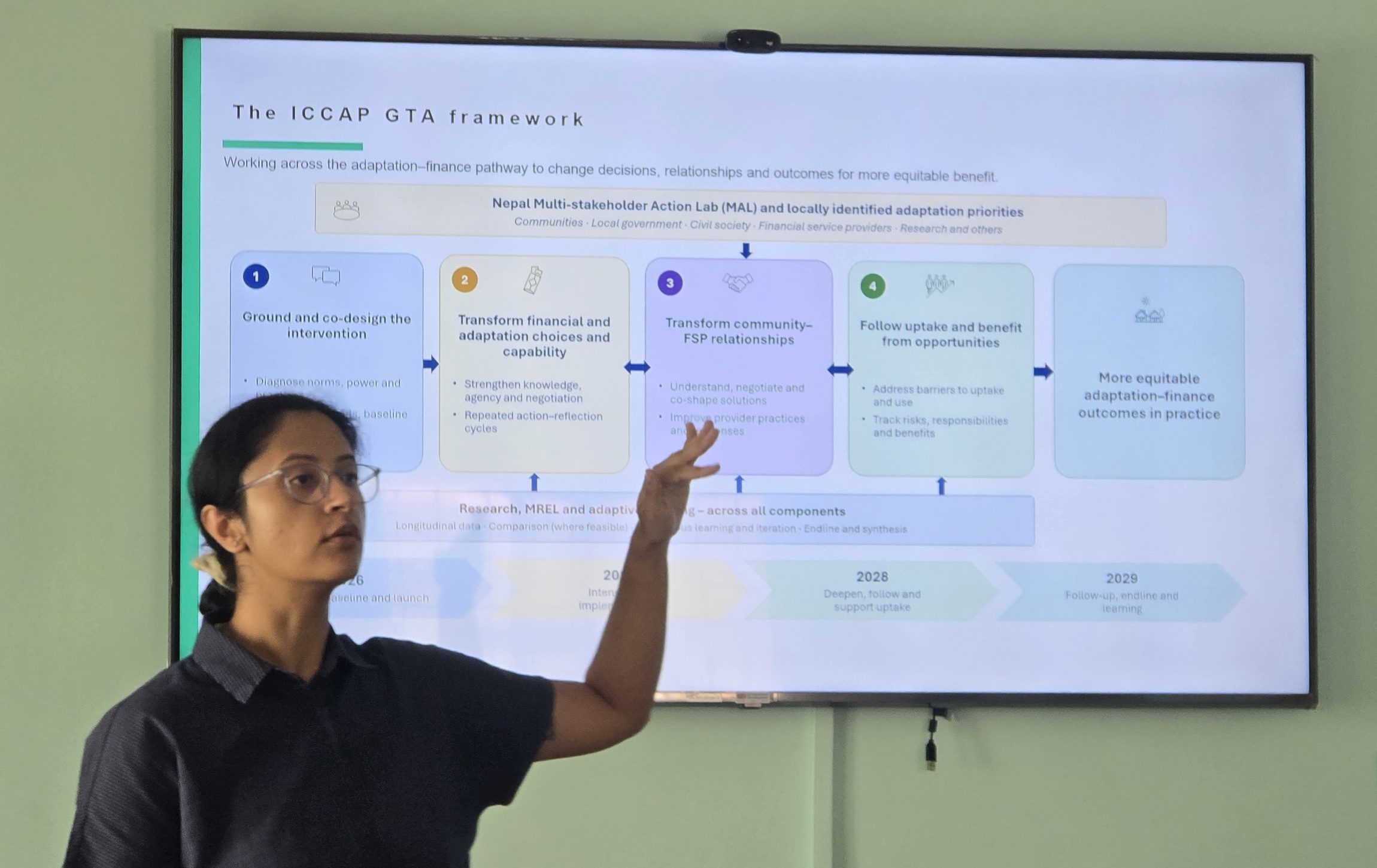
Climate Policy Initiative – India (CPI), Southasia Institute of Advanced Studies (SIAS), and ForestAction Nepal (FAN), with support from IDRC, came together for the event ‘Unpacking and Bridging the Financial Barriers to Empower Women-Led Enterprises in Nepal’ on 22 January, 2026. Stakeholders from financial institutions, private companies, academic and research organisations, and women-led enterprises were also present.

The event aimed at not only unpacking persistent financial barriers but also identified practical, ecosystem-based pathways to improve inclusive financing for women-led and home-based enterprises. It convened researchers, policymakers, financial institutions, women entrepreneurs, and development partners to critically examine the systemic constraints limiting financial access for women-led enterprises (WLEs). The discussion placed particular emphasis on climate-sensitive sectors such as agriculture and forestry, where women’s enterprises play a crucial role in livelihood resilience, yet remain structurally underfinanced. The event concluded by reaffirming that enabling women-led enterprises is not a social add-on, but a strategic investment for sustainable, inclusive, and climate-resilient economic growth in Nepal.


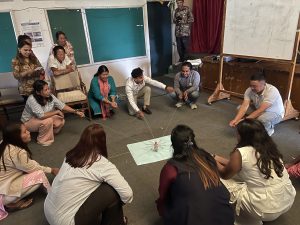
Completion of the final series of the Apprenticeship Modular Course on “Social Studies for Madhesh Transformation”

The Alliance of Agriculture for Food (AAF), in collaboration with the Centre for Educational Policies and Practices (CEPP), Dignity Initiative (DI), and the Mahottari Network of Youth, successfully completed the final series of the Apprenticeship Modular Course on “Social Studies for Madhesh Transformation” from 17 to 22 January 2026 in Dhanusha District.

The main objective of this final phase was to strengthen participants’ foundational knowledge and understanding of key issues related to agriculture, education, and public health. The training adopted diverse and participatory learning methods, including PowerPoint presentations, interactive discussions, group work, thematic games, informational videos, and exposure visits to a farm, a government school, and a health post.

During the education sessions, participants explored different dimensions of learning and gained insights into the four pillars of education, enhancing their understanding of holistic development. In the health component, participants learned that good health begins at home—especially in the kitchen—and is not limited to hospitals and medicines. This perspective highlighted the importance of nutrition, hygiene, and preventive practices in promoting overall well-being.

In the agriculture sessions, participants became aware of the harmful effects of excessive chemical fertilizer use on public health. By watching the program Satyamev Jayate “Toxic Food”, they observed real-life examples of unsafe farming practices and their consequences. This helped them understand the close relationship between sustainable agriculture, food safety, community health, and the harmony of nature.
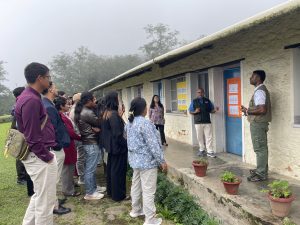
During the visit to Silverline Agro Pvt. Ltd., participants observed Aquaponics systems and large-scale greenhouse machinery. They gained practical exposure to modern, technology-driven agricultural practices. While appreciating their efficiency and productivity, participants also expressed concerns about their affordability and relevance for small-scale farmers.

The visit to Shree Rastriya Secondary School, Pashupatinath Banarjhulla provided valuable insights into the functioning of a government school. Participants observed classroom teaching, interacted with school leadership, and learned about institutional management. They also noted strong youth participation and voluntary efforts to maintain greenery, which enhanced the school environment.

In addition, participants visited the local health post, where they learned about basic health services, commonly treated cases, operational challenges, and the importance of accessible healthcare in rural areas. This visit further strengthened their understanding of the interconnection between agriculture, education, and health in community development.

Overall, the final phase of the immersion course successfully enhanced participants’ knowledge and practical skills in education, agriculture, and public health. By integrating theoretical learning with field-based experiences, the program provided a comprehensive, relevant, and meaningful learning journey.


The role, challenges and opportunities of climate finance in natural resource–based enterprises

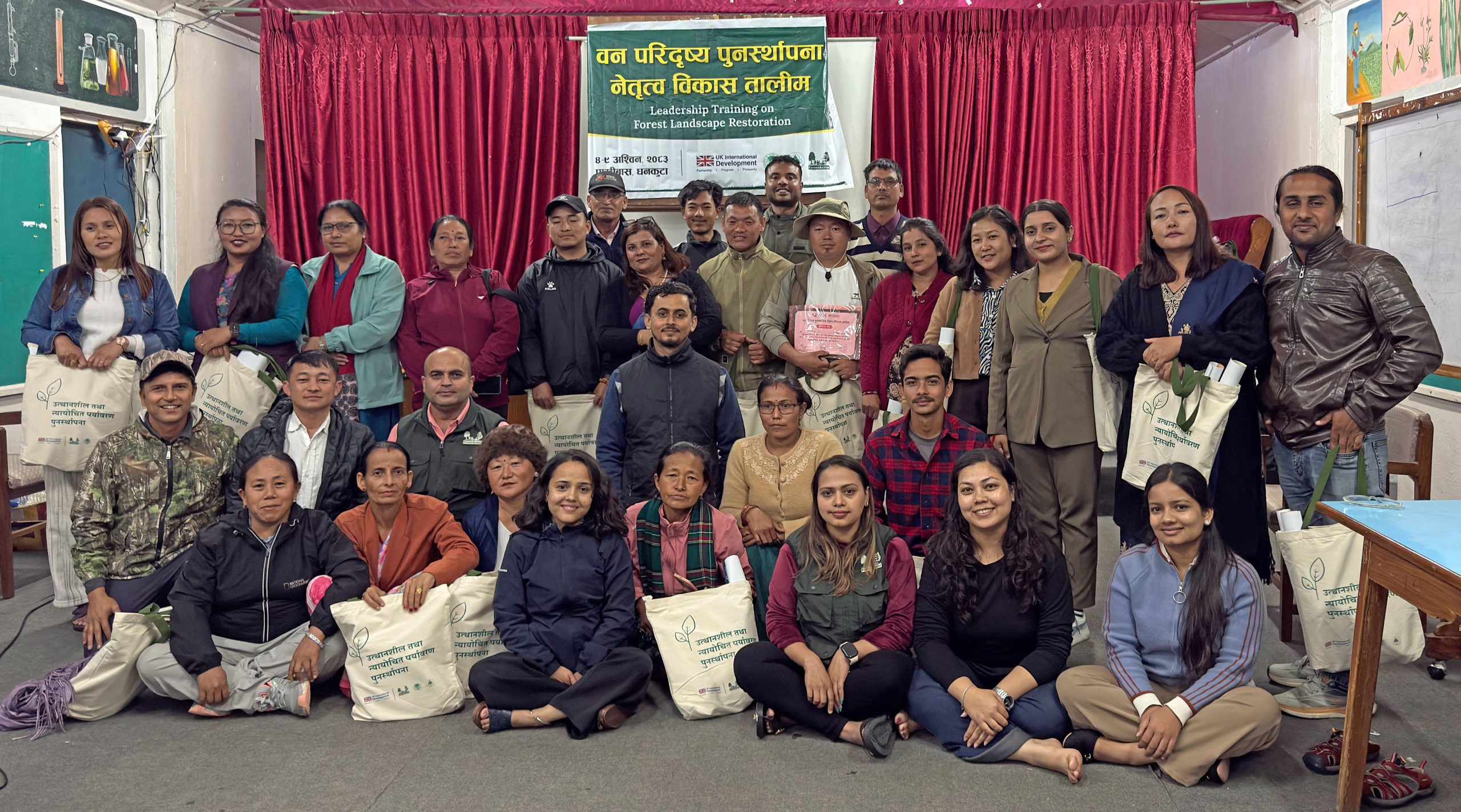
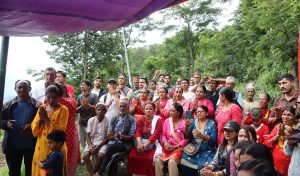
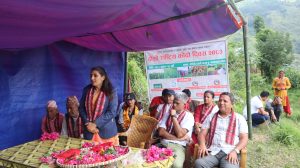
Two-days’ workshop on “The role, challenges and opportunities of climate finance in natural resource–based enterprises” – प्राकृतिक स्रोतमा आधारित उद्यममा जलवायु वित्तको भूमिका, चुनौती र अवसर, was successfully held on 15th –16th January 2026 in Tripurasundari Rural Municipality and Barhabise Municipality, Sindhupalchowk respectively, under the Climate Action Financing through Women and Social Enterprise (CAFiN) project, an International Development Research Centre (International Development Research Centre (IDRC) funded initiative through Climate Policy Initiative (CPI).

The event brought together local governments, natural resource-based enterprises (preferably women led), banking and financial institutions, and market actors, creating a strong platform for dialogue and shared learning on climate finance.
Key Insights

  • – Climate finance is recognised as a crucial tool for supporting natural resource-based enterprises, yet direct application of climate finance codes at the municipal level is still limited.
  • – Women-led and forest/resource-based enterprises (e.g., nettle (sisnu), broom, coffee, lapsi candy, bamboo crafts, Nepali paper, NTFP processing) show high potential but need technical support, market linkages, and investment.
  • – Municipalities have demonstrated proactive commitment through budget allocations, nursery facilities, and provision of production land to support climate-smart enterprises.
  • – Strong collaboration between local governments, financial institutions, markets and entrepreneurs is essential for mobilising climate finance at local level and promoting sustainable, climate-resilient businesses.


Key Takeaways

  • – Awareness of climate finance among entrepreneurs and financial institutions remains low, though interest in leveraging these opportunities is growing.
  • – Capacity building and practical use of climate finance mechanisms are critical for enabling enterprises to thrive.
  • – Empowering women entrepreneurs and promoting locally viable natural resource-based products are essential for sustainable and inclusive economic development.
  • – Policy support, institutional coordination, and active engagement from entrepreneurs themselves are required to stabilize and grow the sector.
  • – Breakout group discussions and stakeholder commitments have strengthened understanding, coordination, and pathways for climate-resilient enterprise development at the local level.

Strengthening climate finance for natural resource–based enterprises at the local level

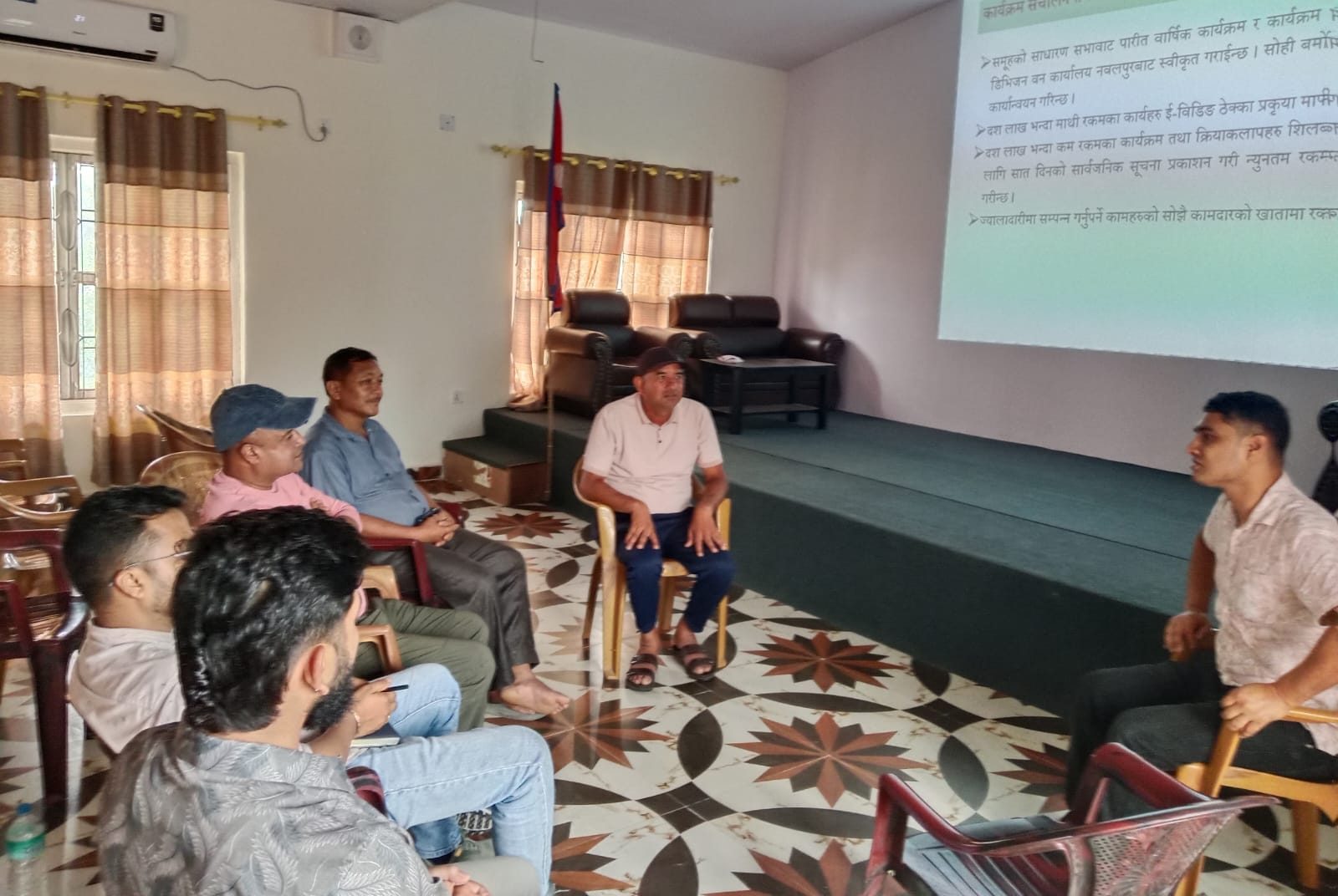
A one-day workshop on “The role, challenges and opportunities of climate finance in natural resource–based enterprises” – प्राकृतिक स्रोतमा आधारित उद्यममा जलवायु वित्तको भूमिका, चुनौती र अवसर, was successfully held on 4th–5th January 2026 in Devchuli and Gaidakot Municipalities, Nawalpur, under the Climate Action Financing through Women and Social Enterprise (CAFIN) project, an International Development Research Centre (International Development Research Centre (IDRC) funded initiative through Climate Policy Initiative (CPI).

The event brought together local governments, natural resource-based enterprises, banking & financial institutions, and market actors, creating a strong platform for dialogue and shared learning on climate finance.

Key Insights

  • – Climate finance code was introduced to Nepal’s budgetary system in 2012 as the first country to do so but its practical application has been a challenge.
  • – Municipal representatives shared that although direct climate finance coding is not yet practiced, several investments already contribute to adaptation and mitigation.
  • – Limited awareness and capacity remain major challenges in integrating climate finance into local planning and budgeting.


Key Takeaways

  • – Natural resources-based enterprises have strong resource and market potential but lack processing technologies and access to finance.
  • – Awareness on climate finance is low among entrepreneurs and banks, though interest and opportunities are growing.
  • – Capacity building, policy revision, and practical use of climate finance budget codes are crucial.
  • – Municipalities expressed readiness to collaborate on training and capacity development.