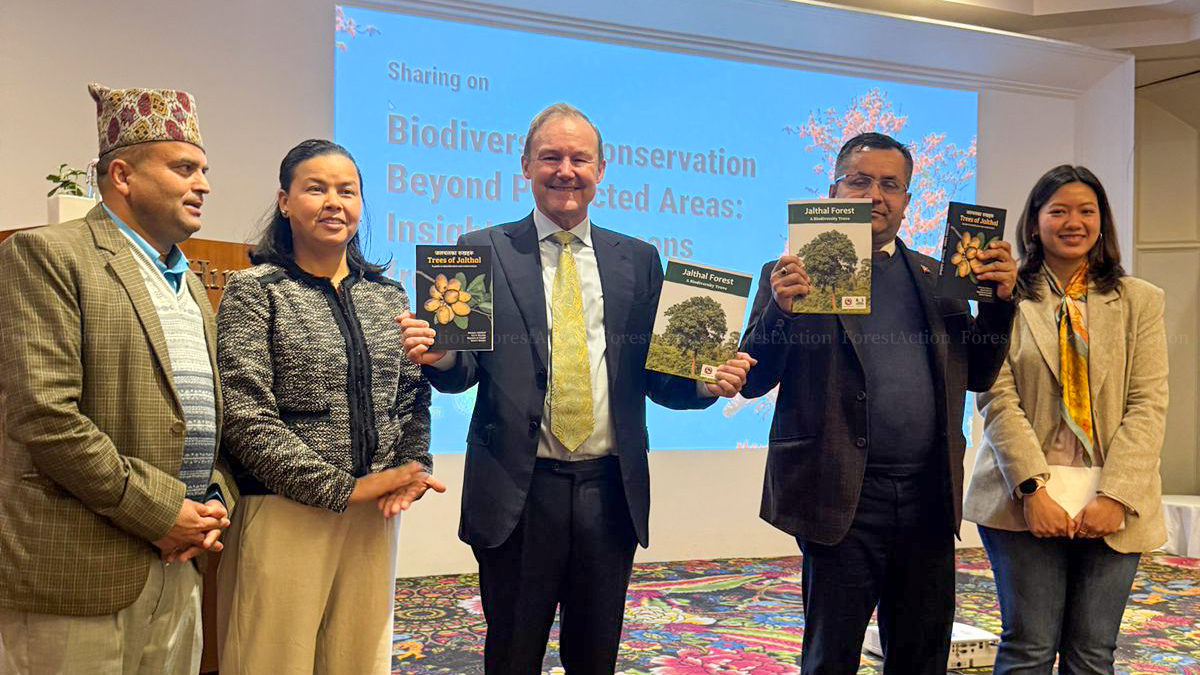
ForestAction Nepal shares insights from Jalthal Biodiversity Project & launches key publications

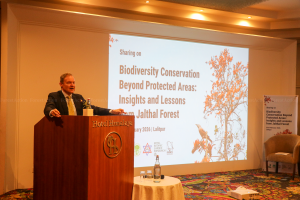
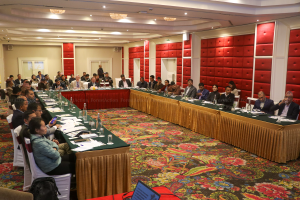
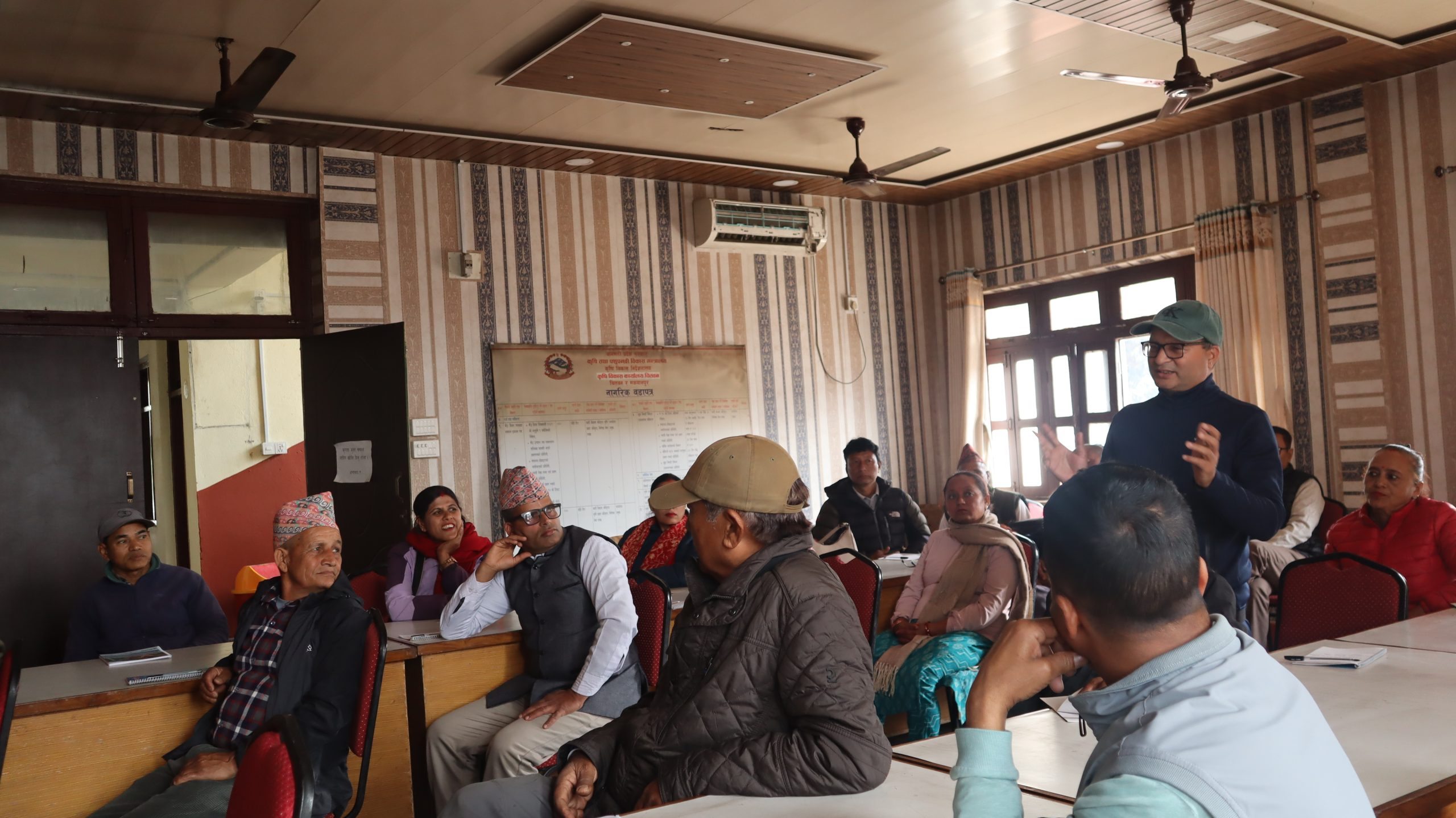
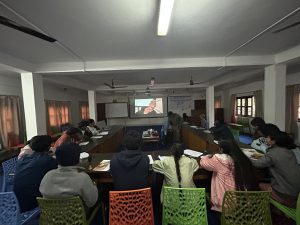
Marking the completion of six years Jalthal Biodiversity Project, implemented in the biologically rich Jalthal Forest, with the support from the UK Government’s Darwin Initiative, ForestAction Nepal organised a half-day sharing program “Biodiversity Conservation Beyond Protected Areas: Insights and Lessons from Jalthal Forest“, on 23rd February 2026 in kathmandu. The event was attended by the Secretary of the Ministry of Forests and Environment (MOFE) Nepal, His Excellency the British Ambassador to Nepal along with senior government officials, researchers, academics, development partners and community forest representatives.

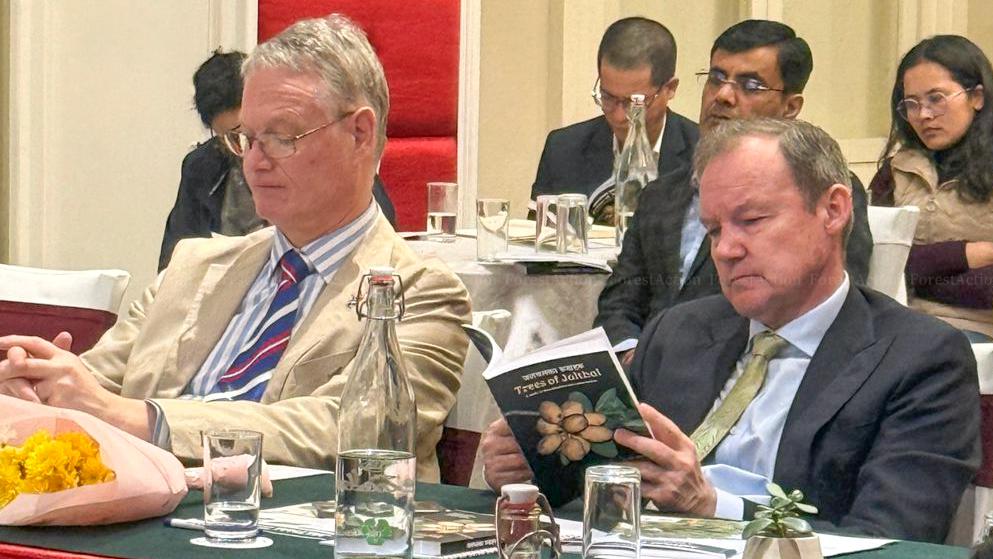
A major highlight of the program was the official launch of two key publications: “Trees of Jalthal: A Guide to Identification and Conservation” and “Jalthal Forest: A Biodiversity Trove”. The book documents 168 tree species from 53 plant families Jalthal Forest, of which 14 species are new to Nepal. Along with that, most species across major taxonomic groups of plants and animals (flora, fauna, funga) have also been documented through infographics. The publications serves as a valuable resource for policymakers, conservationists, researchers, students, and forest user groups

Similarly, an engaging panel discussion consisting of representatives from government agencies, academia, civil society was also conducted. The discussion reflected on Nepal’s community forestry achievements while addressing gaps in biodiversity outcomes, financing constraints, data and the need for policy reforms to better integrate pro-biodiversity practices into forest management.


Fostering Agroecology: Community Engagement in Dhusa

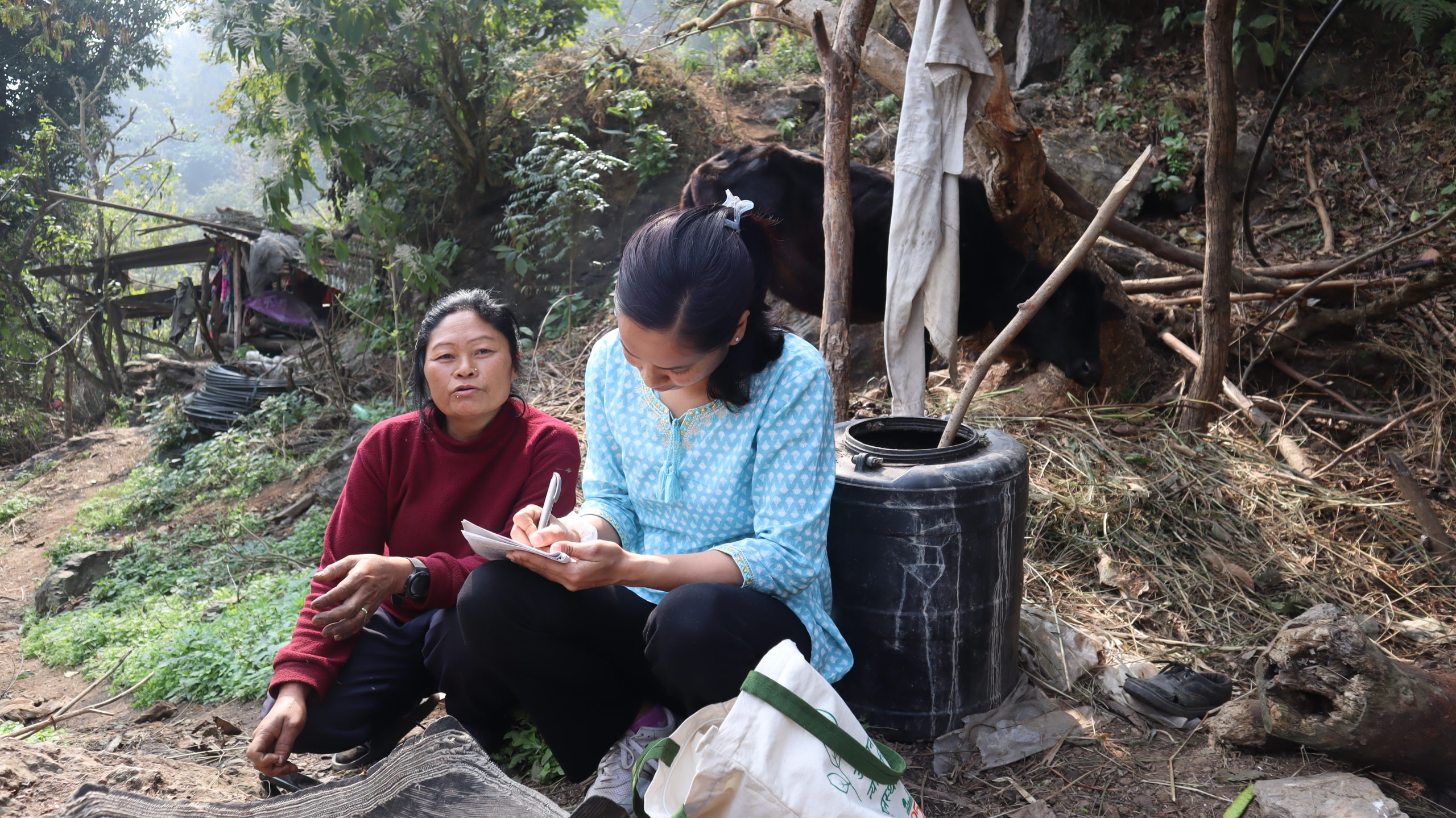
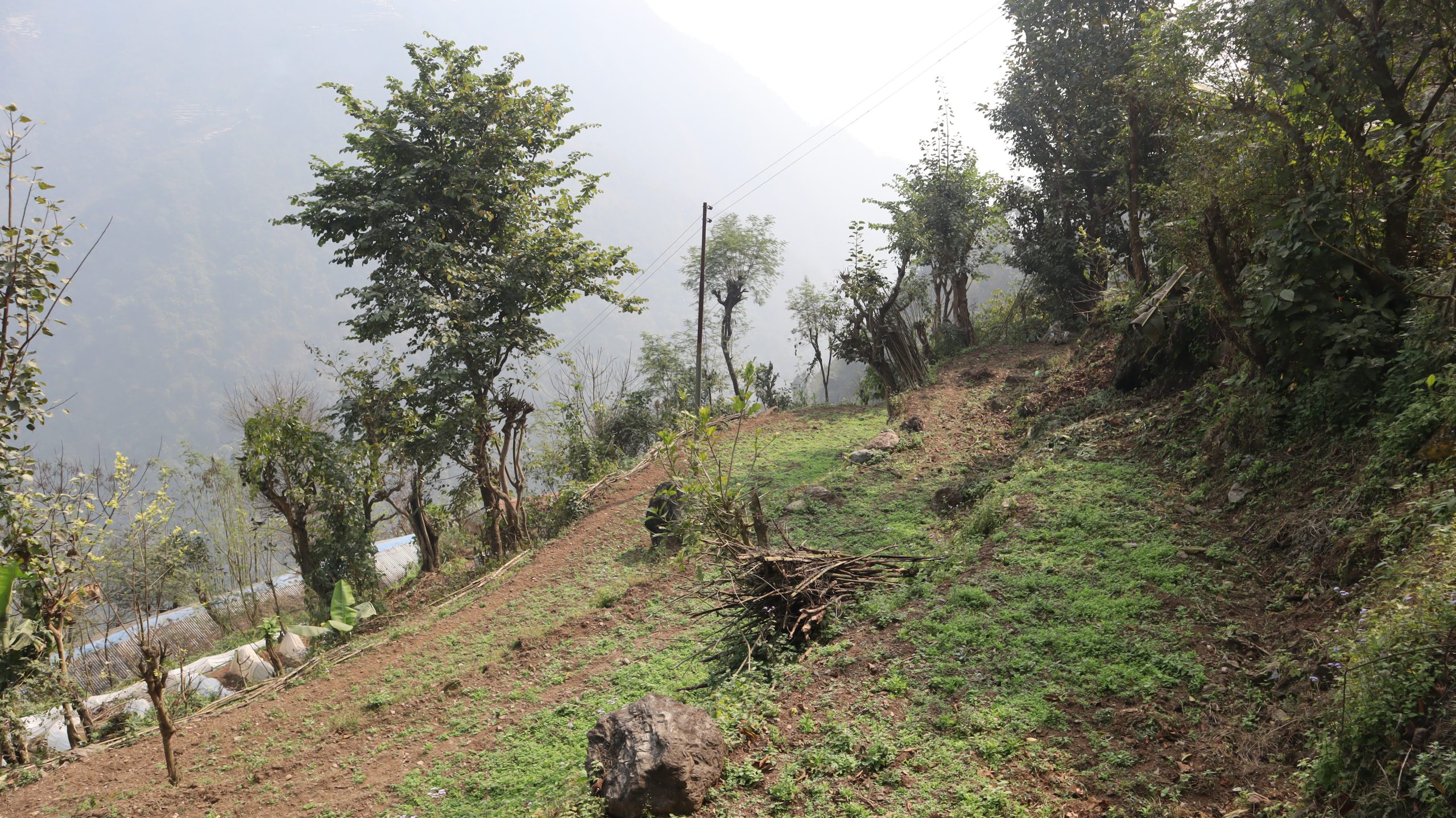
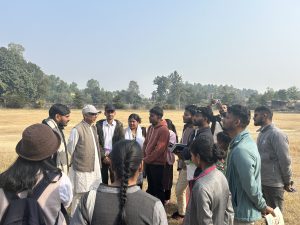
During our recent field visit, on 14th February 2026, the team conducted a short follow-up at Dhusa, Ichhakamana, the project site where our participatory action research on Agroecology is ongoing. The visit primarily included a meeting with Daman Kumari Chepang, a community leader actively involved in strengthening local farming practices. The discussion focused on planning upcoming field actions and experiments, as well as mobilizing community action groups to enhance local engagement.

These engagements reaffirm our commitment to supporting community-led initiatives and scaling up sustainable and organic agriculture practices across the region.

Dialogue on Organic Agriculture: Scope and Challenges in Chitwan

On 13 February 2026, ForestAction Nepal, in its role as the secretariat of the Alliance of Agriculture for Food (AAF), in collaboration with Jilla Prangarik Sangh Chitwan, organized a discussion program titled “Organic Agriculture: Scope and Challenges.” The event was held at the DADO Office in Bharatpur, Chitwan District, and brought together around 50 participants. Attendees included the Chief of the District Coordination Committee, Mr. Narayan Prasad Adhikari; the Head of the District Agriculture Development Office, Mr. Jhalak Nath Kadel; the Head of the Public Health Office, Mr. Nirmal Ghimire; Assistant Professor Mr. Ananta Subedi from the Department of Ecology at Agriculture and Forestry University; as well as farmers, cooperative representatives, other government officials, civil society actors, researchers, private sector stakeholders, members of the AAF secretariat and Jilla Prangarik Sangh.

The program aimed to create a shared platform for dialogue on the current status, opportunities, and challenges of organic agriculture in Chitwan and beyond. Representatives from Jilla Prangarik Sangh Chitwan presented the historical evolution of organic farming in the district, highlighting key milestones such as the formation of producer cooperatives, the implementation of participatory certification initiatives like Participatory Guarantee System (PGS) and Internal Control System (ICS), and the development of emerging market linkages. Practical experiences in collective marketing, internal control systems, and quality assurance mechanisms were shared as important measures to strengthen farmers’ bargaining power and reduce certification costs.

As the secretariat of the AAF, ForestAction Nepal delivered a presentation highlighting its mandate and ongoing efforts to promote agroecology from community to policy levels. The session introduced AAF and the secretariat’s role in facilitating policy research, dialogue, public advocacy, and participatory action research. It also highlighted the importance of linking grassroots experiences with policy processes to ensure relevant and actionable insights.

The formal presentations were followed by an open discussion session, during which guests and participants shared their perspectives and reflections. Mr. Narayan Prasad Adhikari, the chief of DDC, highlighted the urgent need to conserve and restore soil health. He emphasized that without protecting and nurturing soil, it is impossible to produce healthy food. Soil was described as a living system containing millions and billions of beneficial microorganisms, and it was widely agreed that only biologically active soil can sustain nutritious crop production, human health, and environmental balance.

Participants also highlighted the importance of integrating agriculture education into school curricula from the primary level. Introducing agriculture at an early stage was considered essential to inspire younger generations, build appreciation for farming, and encourage long-term engagement in sustainable agricultural practices.

Concerns were also raised regarding the limited research and technical support dedicated specifically to organic farming. Participants noted that government investment in organic-focused research, extension services, and capacity building remains insufficient. Policy inconsistency, frequent shifts in priorities, and the absence of a clear and comprehensive organic agriculture policy were identified as major institutional challenges. The continued subsidy support for chemical fertilizers, without comparable incentives for organic inputs, was highlighted as a structural barrier. In addition, weak coordination among government agencies and limited technical manpower at the local level were seen as constraints to effectively promoting and scaling up organic agriculture.

Community-led agroecological actions in Dhusa: Refining local solutions

As part of ForestAction Nepal’s ongoing community-led agroecological initiatives, our team is currently in the second year of an action research phase in Dhusa, Ichhakamana. We are focused on co-creating knowledge with local farmers through testing and refining small-scale agroecological technologies, specifically looking for ways to substitute external inputs, like chemical fertilizers and commercial seeds, with locally available resources.

Through previous trials, we observed that the nutrient composition of compost varies significantly based on the diversity of ingredients used (comparing single-ingredient versus multi-ingredient mixes). To validate these findings, we have repeated the composting trials in Dhusa with the lead farmer Daman Kumari Chepang.

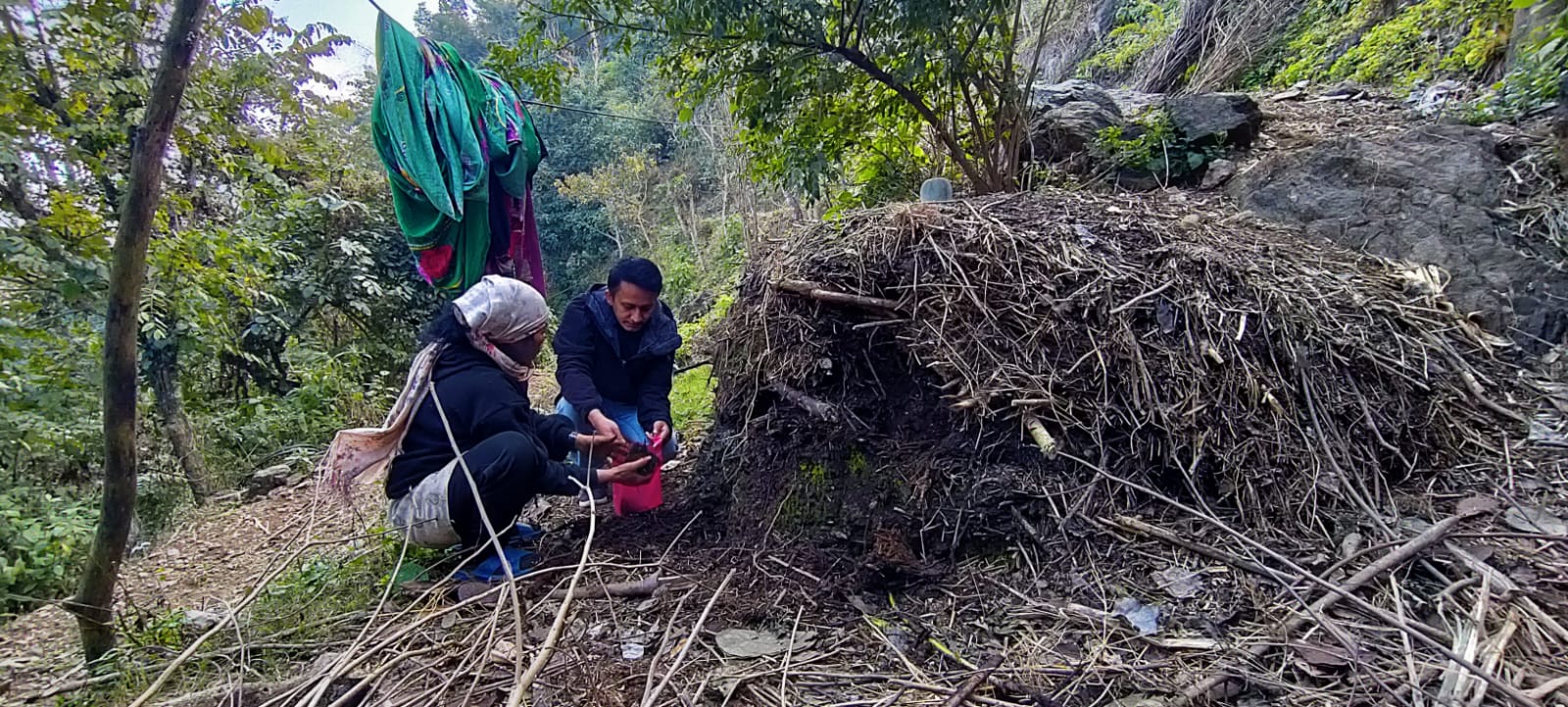
During our recent field visit, 29th Jan, 2026, we collected two distinct compost samples for laboratory analysis. This assessment mainly aims to identify the most effective local preparation methods, which serves as vital evidence for scaling these practices.

Beyond nutrient management, our field actions also prioritize enhancing soil health through biological interventions. As part of this experimental phase, we have introduced laboratory-produced Trichoderma viride inoculum into farmers’ composting processes. This is believed to enable the on-farm culture and multiplication of beneficial fungi within local manure piles. The resulting fortified compost will be applied to cucumber fields, one of the major commercial crops in Dhusa, to assess its effectiveness against high-impact soil-borne pathogens, specifically root rot and Fusarium wilt, which are currently affecting farmers’ crops.

Success in these plots will pave the way for scaling up this practice across the wider farming community.


Social Studies for Madesh Transformation

The Alliance of Agriculture for Food (AAF), in collaboration with the Centre for Educational Policies and Practices (CEPP), Dignity Initiative (DI), and the Mahottari Network of Youth, successfully completed the final series of the Apprenticeship Modular Course on “Social Studies for Madhesh Transformation” from 17 to 22 January 2026 in Dhanusha District.

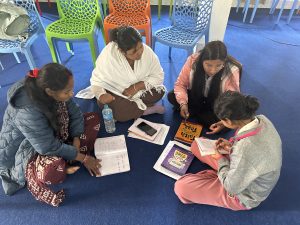
The main objective of this final phase was to strengthen participants’ foundational knowledge and understanding of key issues related to agriculture, education, and public health. The training adopted diverse and participatory learning methods, including PowerPoint presentations, interactive discussions, group work, thematic games, informational videos, and exposure visits to a farm, a government school, and a health post.

During the education sessions, participants explored different dimensions of learning and gained insights into the four pillars of education, enhancing their understanding of holistic development. In the health component, participants learned that good health begins at home—especially in the kitchen—and is not limited to hospitals and medicines. This perspective highlighted the importance of nutrition, hygiene, and preventive practices in promoting overall well-being.

In the agriculture sessions, participants became aware of the harmful effects of excessive chemical fertilizer use on public health. By watching the program Satyamev Jayate “Toxic Food”, they observed real-life examples of unsafe farming practices and their consequences. This helped them understand the close relationship between sustainable agriculture, food safety, community health, and the harmony of nature.

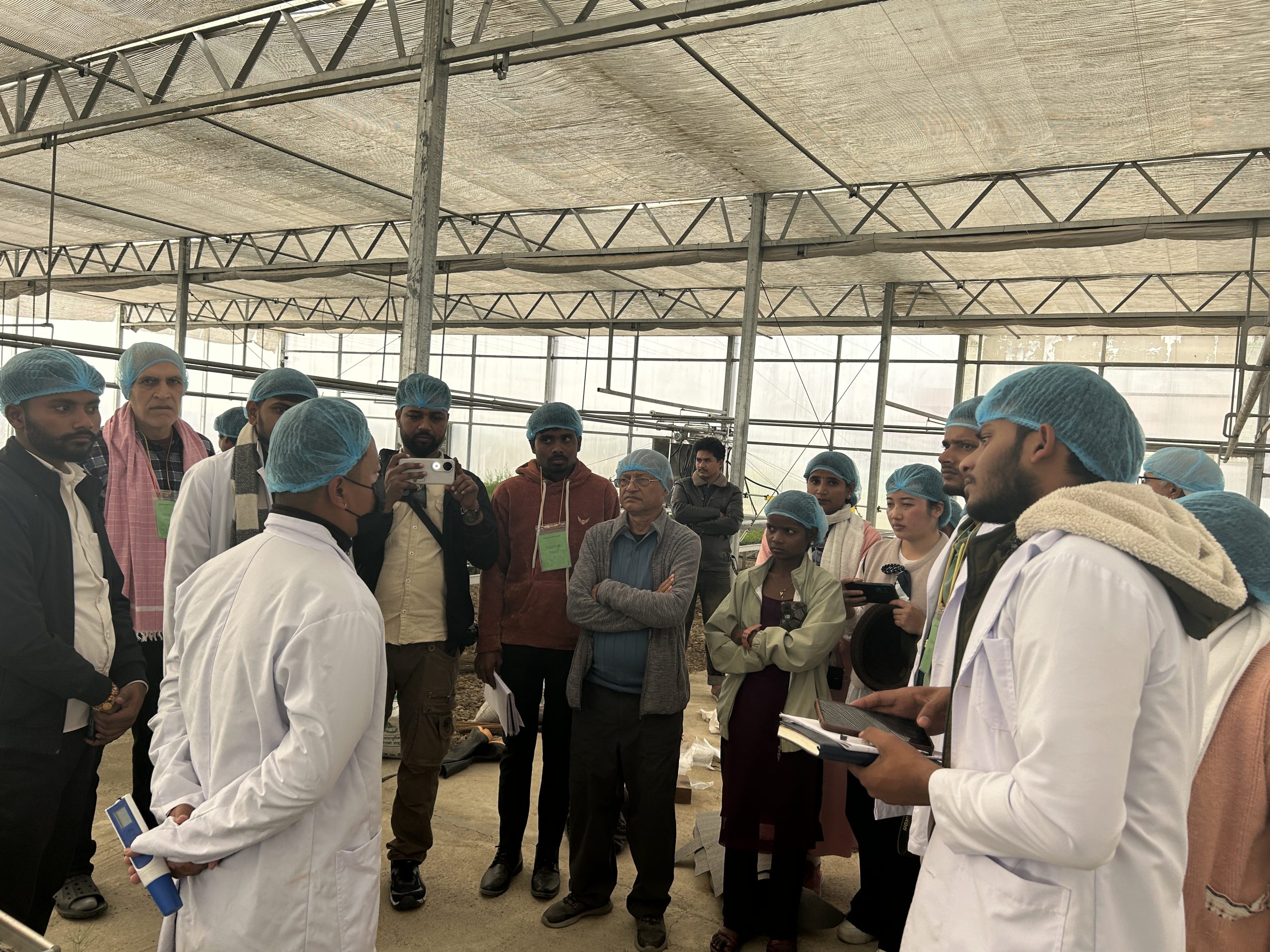
During the visit to Silverline Agro Pvt. Ltd., participants observed Aquaponics systems and large-scale greenhouse machinery. They gained practical exposure to modern, technology-driven agricultural practices. While appreciating their efficiency and productivity, participants also expressed concerns about their affordability and relevance for small-scale farmers.

The visit to Shree Rastriya Secondary School, Pashupatinath Banarjhulla provided valuable insights into the functioning of a government school. Participants observed classroom teaching, interacted with school leadership, and learned about institutional management. They also noted strong youth participation and voluntary efforts to maintain greenery, which enhanced the school environment.

In addition, participants visited the local health post, where they learned about basic health services, commonly treated cases, operational challenges, and the importance of accessible healthcare in rural areas. This visit further strengthened their understanding of the interconnection between agriculture, education, and health in community development.

Overall, the final phase of the immersion course successfully enhanced participants’ knowledge and practical skills in education, agriculture, and public health. By integrating theoretical learning with field-based experiences, the program provided a comprehensive, relevant, and meaningful learning journey.


The role, challenges and opportunities of climate finance in natural resource–based enterprises

Two-days’ workshop on “The role, challenges and opportunities of climate finance in natural resource–based enterprises” – प्राकृतिक स्रोतमा आधारित उद्यममा जलवायु वित्तको भूमिका, चुनौती र अवसर, was successfully held on 15th –16th January 2026 in Tripurasundari Rural Municipality and Barhabise Municipality, Sindhupalchowk respectively, under the Climate Action Financing through Women and Social Enterprise (CAFiN) project, an International Development Research Centre (International Development Research Centre (IDRC) funded initiative through Climate Policy Initiative (CPI).

The event brought together local governments, natural resource-based enterprises (preferably women led), banking and financial institutions, and market actors, creating a strong platform for dialogue and shared learning on climate finance.

Key Insights

  • – Climate finance is recognised as a crucial tool for supporting natural resource-based enterprises, yet direct application of climate finance codes at the municipal level is still limited.
  • – Women-led and forest/resource-based enterprises (e.g., nettle (sisnu), broom, coffee, lapsi candy, bamboo crafts, Nepali paper, NTFP processing) show high potential but need technical support, market linkages, and investment.
  • – Municipalities have demonstrated proactive commitment through budget allocations, nursery facilities, and provision of production land to support climate-smart enterprises.
  • – Strong collaboration between local governments, financial institutions, markets and entrepreneurs is essential for mobilising climate finance at local level and promoting sustainable, climate-resilient businesses.


Key Takeaways

  • – Awareness of climate finance among entrepreneurs and financial institutions remains low, though interest in leveraging these opportunities is growing.
  • – Capacity building and practical use of climate finance mechanisms are critical for enabling enterprises to thrive.
  • – Empowering women entrepreneurs and promoting locally viable natural resource-based products are essential for sustainable and inclusive economic development.
  • – Policy support, institutional coordination, and active engagement from entrepreneurs themselves are required to stabilize and grow the sector.
  • – Breakout group discussions and stakeholder commitments have strengthened understanding, coordination, and pathways for climate-resilient enterprise development at the local level.

From Reflection to Action: Community-Led Agroecology for Soil Restoration in Dhusa, Ichhakamana RM, Chitwan

Dhusa, Ichhakamana Rural Municipality, Chitwan, is the current project site where ForestAction Nepal has been implementing the Soil Restoration through Agroecology initiative. After a year of sustained engagement with the community, an annual reflection meeting was held in the first week of January. A major outcome of this meeting was the formal formation of a Community Action Group (CAG) to advance agroecology-based soil restoration.

The CAG comprises nine core members (seven women and two men) from Dhusa, reflecting a strong community-led commitment to sustaining field-level experimentation, strengthening peer learning, and gradually expanding agroecology-based practices across the wider landscape. By centering farmers’ knowledge and lived experiences, the group aims to demonstrate how locally adapted agroecological practices can regenerate soils, reduce dependency on external inputs, and enhance long-term farm resilience.

Following its formation, a planning meeting was held on 13 January 2026 in the presence of ForestAction project team and CAG members. Grounded in the principles of Participatory Action Research and Learning (PAR), the project team facilitated discussions on the importance of co-learning and co-creating knowledge. CAG members shared their experiences of learning alongside fellow farmers and neighbors, with technical support from the team provided as needed. Members collectively agreed that learning through the adoption and practice of agroecological techniques at the community level would contribute to improved soil health while strengthening resilience and self-reliance.

The meeting also clarified the roles and responsibilities of both CAG members and the project team. In addition, CAG members were supported to independently document and maintain their own meeting minutes, further reinforcing local ownership and leadership.

The meeting further identified priority interventions for the next phase, including composting, vermicomposting, seed trials (cucumber and beans), mulching, green manuring, biopesticide preparation, and Azolla cultivation. Each participating farmer has committed a portion of their land for on-farm trials, reinforcing the principle of learning through practice and generating evidence under local conditions.

To support this process, ForestAction Nepal will provide technical assistance and facilitate access to essential inputs, including vermi worms and seeds from verified sources for trials and green manuring.

Through the CAG, agroecology is being promoted not only as a set of practices but also as a long-term pathway for soil restoration, farmer empowerment, and community-led transformation of local food systems.

Strengthening climate finance for natural resource–based enterprises at the local level

A one-day workshop on “The role, challenges and opportunities of climate finance in natural resource–based enterprises” – प्राकृतिक स्रोतमा आधारित उद्यममा जलवायु वित्तको भूमिका, चुनौती र अवसर, was successfully held on 4th–5th January 2026 in Devchuli and Gaidakot Municipalities, Nawalpur, under the Climate Action Financing through Women and Social Enterprise (CAFIN) project, an International Development Research Centre (International Development Research Centre (IDRC) funded initiative through Climate Policy Initiative (CPI).

The event brought together local governments, natural resource-based enterprises, banking & financial institutions, and market actors, creating a strong platform for dialogue and shared learning on climate finance.

Key Insights

  • – Climate finance code was introduced to Nepal’s budgetary system in 2012 as the first country to do so but its practical application has been a challenge.
  • – Municipal representatives shared that although direct climate finance coding is not yet practiced, several investments already contribute to adaptation and mitigation.
  • – Limited awareness and capacity remain major challenges in integrating climate finance into local planning and budgeting.


Key Takeaways

  • – Natural resources-based enterprises have strong resource and market potential but lack processing technologies and access to finance.
  • – Awareness on climate finance is low among entrepreneurs and banks, though interest and opportunities are growing.
  • – Capacity building, policy revision, and practical use of climate finance budget codes are crucial.
  • – Municipalities expressed readiness to collaborate on training and capacity development.

Ban Chautari on Forestry for Prosperity: Political Economy Debates

ForestAction Nepal, building on the more than 15-year legacy of Ban Chautari as a platform for policy dialogue, successfully organised a Ban Chautari titled “Forestry for Prosperity: Political Economy Debates” on Thursday, 8th January 2026. The high-level discussion, held in the presence of the Honorable Minister for the Ministry of Forest and Environment, focused on Nepal’s timber economy: its status, untapped potential, prevailing challenges, and possible pathways to bridge existing gaps.

The event brought together a diverse group of stakeholders, including representatives from the Ministry of Forest and Environment, Department of Forest and Soil Conservation, REDD Implementation Centre, Chure Terai Madhesh Conservation Board, Forest Research and Training Centre, Divisional Forest Offices, Tribhuvan University, Nepal Foresters’ Association, FECOFUN, FENFIT, AFFON, development partners, civil society organisations, local governments, entrepreneurs, and journalists.

A team of researchers from ForestAction Nepal presented an evidence-based analysis of the potential and actual production of timber and other forest products, drawing on data compiled and synthesized from 83 Divisional Forest Offices, 7 Provincial Forest Directorates, and 7 Provincial Forest Ministries across the country. The presentation highlighted the significant gap between production potential and actual output and unpacked the underlying political-economic and institutional factors contributing to this disparity.

The program featured an engaging panel discussion with panelists from the Government of Nepal, FECOFUN, FENFIT, AFFON, and Tribhuvan University reflecting on policy, governance, and market aspects of Nepal’s timber economy. To ensure wider outreach and promote evidence-based public dialogue, the discussion was telecast through national media and is scheduled to be broadcast by Yatri Media, taking the conversation beyond the venue to a broader national audience. The Honorable Minister shared reflections on ongoing policy and regulatory reforms, outlining measures adopted to reduce procedural and regulatory hurdles, improve institutional efficiency, and strengthen governance mechanisms to better realise Nepal’s forest-based economic potential.

Click here to access the video

Reflecting, Learning, and Expanding Agroecology Practices for Soil Restoration

After a year of field-level actions with the community, an annual review and reflection meeting was held on 1 January 2026 with the farming community in Dhusa, Ichhakamana Rural Municipality, Chitwan, where the community led Participatory Action Research (PAR) on agroecology is being implemented. The Dhusa community is composed primarily of Chepang and Gurung households. Approximately 30 farmers participated in the meeting, the majority of whom were women. Beyond reviewing completed activities, the meeting created space for farmers to reflect on their experiences, observations, and learning emerging from the agroecological practices tested over the year.

Ms. Daman Kumari Chepang, one of the lead farmers, shared a detailed reflection on the activities undertaken and described how her engagement in the process deepened her understanding of soil health and the long-term importance of soil restoration through agroecological practices. Her reflections stimulated wider discussion among participants, including community members who were not directly involved in field-level implementation but reported increased awareness and understanding of the ongoing work at the demonstration site. This highlighted how learning and knowledge sharing had extended beyond the immediate group of participating farmers.

The discussion surfaced key learnings related to the relevance of locally adapted practices, the value of integrating Indigenous farming knowledge with scientific agroecological techniques, and the importance of collective experimentation, observation, and reflection. Farmers expressed a growing sense of ownership over the process and emphasized the importance of continuing to learn together through shared practice.

As an outcome of this collective reflection, community members agreed to take the process forward by forming a Community Action Group (CAG) comprising nine core members, including 7 female and 2 male farmers. This group represents a shared commitment to sustain experimentation, strengthen peer learning, and gradually expand agroecology-based soil restoration practices across the wider community.

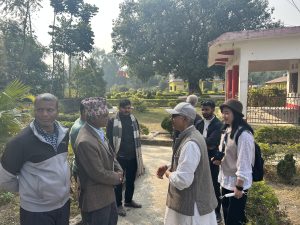
Following the meeting, participants visited the demonstration site to observe progress and outcomes firsthand.

The presence of Ms Samikchya Poudel (the Head of the Agriculture Section of Ichhakamana RM) further enriched the discussion by connecting community-level learning with local government perspectives, reinforcing opportunities for institutional support and enhancing the long-term sustainability of the initiative.


Leadership training on restoration for community leaders

A four days leadership training for restoration champions was successfully organised at Gabhar Valley Homestay, Banke from 24 th -27 th December 2025. The training was attended by 24 participants from ten districts of Lumbini and Karnali Provinces. Participants were leaders and members of community working on forest management and agriculture. This training conceptualised needs, process and outputs of restoration. It highlighted and focused on various conventional and emerging challenges on restoration. Participants discussed about participatory and inclusive restoration and learnt how traditional management approaches including, farm-forest interfaces support in restoration. While learning and sharing various aspects of restoration, participants also got the opportunity to experience culture of indigenous Tharu community.

Implemented under the ‘Reducing Environmental Degradation in Asia and Africa (REDAA)’ project, funded by the UK International Development and managed by IIED, the training was conducted in a natural environment using interactive and various participatory methods such as voting, quizzes, games, jungle walks, matching activities, debate and group work. Activities were designed to foster mutual learning among participants, between project team and the participants. Participants highly appreciated this experimental approach. The event also provided trainers an opportunity to learn from diverse experiences and local practiced shared during formal and informal sessions.

Validation of agroforestry guideline for climate adaptation and sustainable land use

As part of the Building Agroforestry-Based Adaptation Plans for Resilient Floodplains (BAGAR) project, ForestAction Nepal facilitated Agroforestry Guideline Validation Workshops for Marin Rural Municipality and Gadhimai Municipality at Bardibas and Rautahat, respectively, during 21–26 December 2025.

The validation workshops aimed to ensure that the draft municipal agroforestry guidelines were technically sound, locally relevant, and aligned with municipal priorities and existing policy
frameworks. Members of the municipal-level Ecosystem-based Adaptation (EbA) Forums, comprising elected representatives, municipal officials, technical staff, and key stakeholders, actively participated in the review and validation process.

During the workshops, participants examined key provisions of the draft agroforestry guidelines, discussed proposed implementation mechanisms, and provided constructive feedback based on local floodplain contexts, prevailing land-use practices, and climate-related risks. The discussions highlighted the role of agroforestry in strengthening climate resilience, enhancing sustainable livelihoods, and improving ecosystem services in riverine and flood-prone landscapes.

As an outcome of the process, the Gadhimai Municipality formally approved and validated the Agroforestry Guideline, while Marin Rural Municipality endorsed the guideline for finalisation. The validation process resulted in the endorsement of priority recommendations for refining the guidelines, including some clarification of institutional roles, implementation modalities, and
mechanisms for integration into municipal planning and budgeting processes. These validation workshops mark an important milestone in strengthening local ownership and institutionalisation of agroforestry practices, contributing to long-term climate adaptation and sustainable land-use planning in the project areas.