ForestAction Nepal and IAAS Partnership on Agroecology and Learning

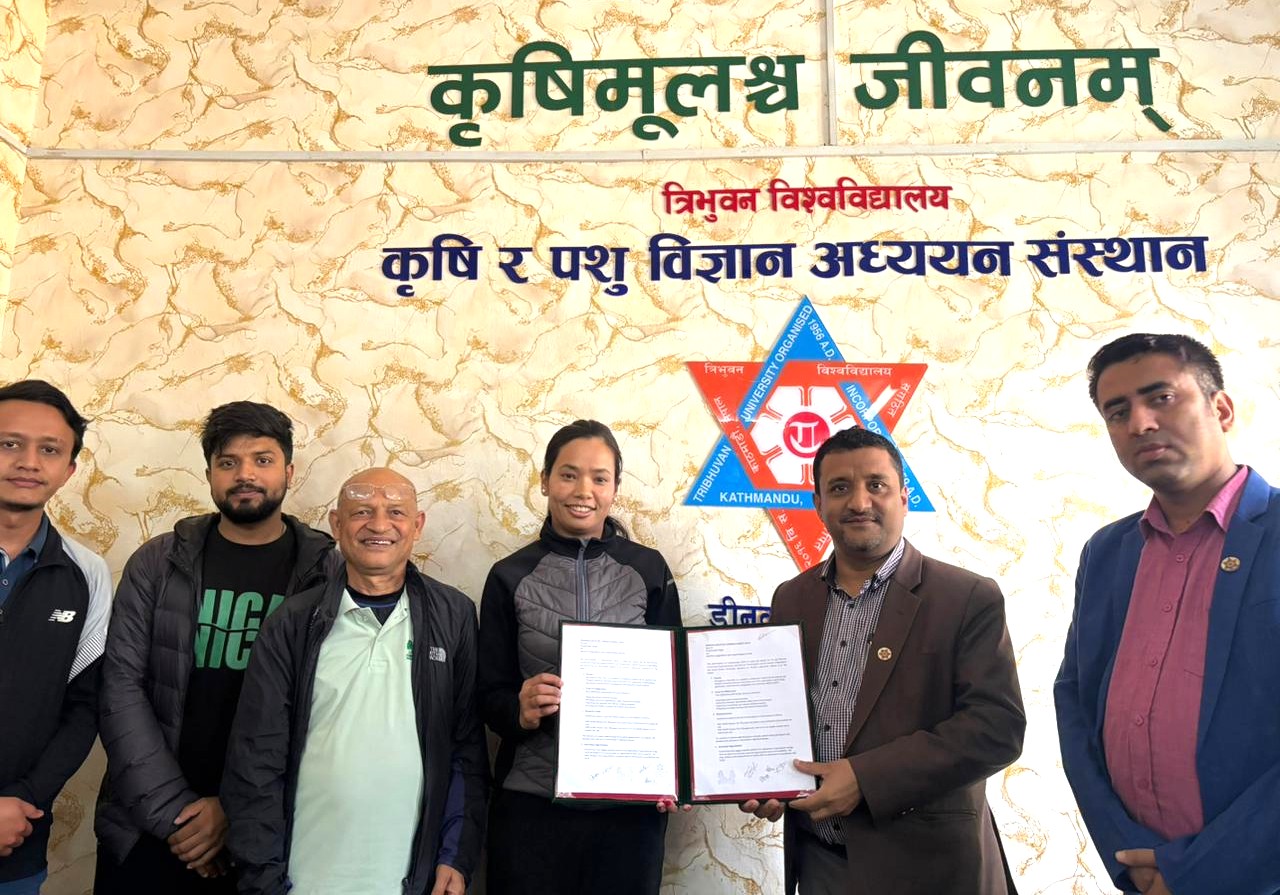
ForestAction Nepal and the Institute of Agriculture and Animal Science (IAAS) signed a Memorandum of Understanding (MoU) on 12 March 2026 to strengthen collaboration in academic and research initiatives, with a particular focus on advancing agroecology alongside natural resource management.

Through this partnership, ForestAction Nepal will support IAAS students by facilitating research grants, internship placements, and field-based learning opportunities in agroecology and related disciplines. This collaboration aims to nurture future professionals by linking academic learning with practical, community-based agroecological approaches, while contributing to sustainable development and evidence-based policy engagement.

From Reflection to Action: Community-Led Agroecology for Soil Restoration in Dhusa, Ichhakamana RM, Chitwan

Dhusa, Ichhakamana Rural Municipality, Chitwan, is the current project site where ForestAction Nepal has been implementing the Soil Restoration through Agroecology initiative. After a year of sustained engagement with the community, an annual reflection meeting was held in the first week of January. A major outcome of this meeting was the formal formation of a Community Action Group (CAG) to advance agroecology-based soil restoration.

The CAG comprises nine core members (seven women and two men) from Dhusa, reflecting a strong community-led commitment to sustaining field-level experimentation, strengthening peer learning, and gradually expanding agroecology-based practices across the wider landscape. By centering farmers’ knowledge and lived experiences, the group aims to demonstrate how locally adapted agroecological practices can regenerate soils, reduce dependency on external inputs, and enhance long-term farm resilience.

Following its formation, a planning meeting was held on 13 January 2026 in the presence of ForestAction project team and CAG members. Grounded in the principles of Participatory Action Research and Learning (PAR), the project team facilitated discussions on the importance of co-learning and co-creating knowledge. CAG members shared their experiences of learning alongside fellow farmers and neighbors, with technical support from the team provided as needed. Members collectively agreed that learning through the adoption and practice of agroecological techniques at the community level would contribute to improved soil health while strengthening resilience and self-reliance.

The meeting also clarified the roles and responsibilities of both CAG members and the project team. In addition, CAG members were supported to independently document and maintain their own meeting minutes, further reinforcing local ownership and leadership.

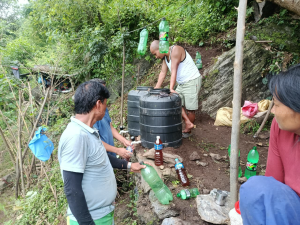
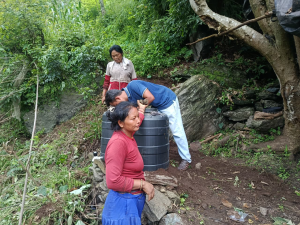
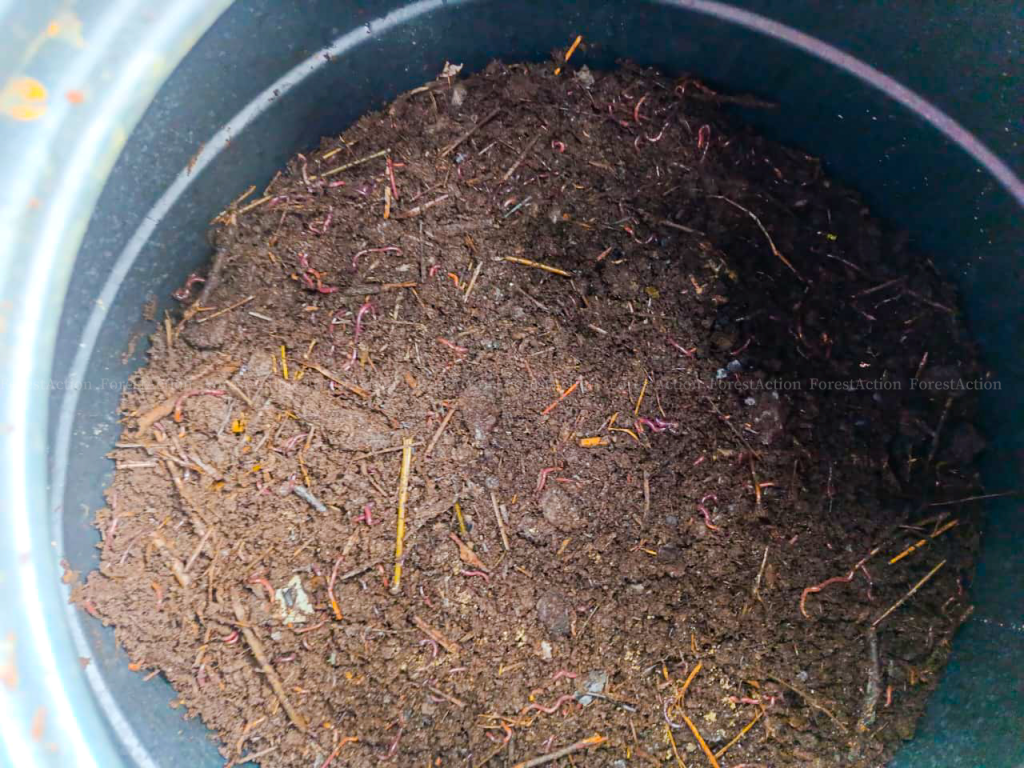
The meeting further identified priority interventions for the next phase, including composting, vermicomposting, seed trials (cucumber and beans), mulching, green manuring, biopesticide preparation, and Azolla cultivation. Each participating farmer has committed a portion of their land for on-farm trials, reinforcing the principle of learning through practice and generating evidence under local conditions.

To support this process, ForestAction Nepal will provide technical assistance and facilitate access to essential inputs, including vermi worms and seeds from verified sources for trials and green manuring.

Through the CAG, agroecology is being promoted not only as a set of practices but also as a long-term pathway for soil restoration, farmer empowerment, and community-led transformation of local food systems.

Transitioning to sustainable farming: A field action research initiative in Dhusa and Kalikhola Gau, Ichhakamana Rural Municipality

ForestAction Nepal’s agriculture team has recently completed their visit to Dhusa and Kalikhola, Ichhakamana Rural Municipality, where they are working with local farmers and the palika to promote agroecology. One of the approaches is field action research, where they are conducting trials and experiments to address the major challenges farmers face in their fields.

One of the significant challenge observed in both villages was the high reliance on chemical pesticides for pest management. To promote sustainable/agroecological practices and technologies, the team demonstrated the use of simple yet effective tools, yellow and blue sticky traps and Cue-Lure, to monitor and trap insect pest in cucumbers and beans, the major crops grown this season.

These tools weren’t new to the farmers, but they had been underutilised in managing insect pests in the fields. This intervention will be followed up with further support to ensure the effective use of these tools and continued learning for the farmers. By demonstrating the benefits of agroecological practices/technologies, we aim to boost farmers’ confidence in adopting these methods, leading to a gradual shift towards more sustainable farming practices.

Additionally, the preparation of an Effective Microorganism (EM) solution was demonstrated, and oriented to farmers about its uses and benefits. EM offers multiple benefits, including accelerating the decomposition of manure and increasing the population of beneficial microorganisms in the soil.
During this visit, the team also conducted a pilot survey with a few farmers to understand the factors influencing the adoption of organic and agroecological practices. The team further aims to reach at least 100 farmers from various parts of Nepal to explore these factors more comprehensively.

Fostering agroecology for soil restoration and biodiversity conservation through a community-led approach in Ichhakamana Rural Municipality

ForestAction Nepal’s agricultural team recently visited Ichhakamana Rural Municipality, where productive meetings were held with local farmers and farmer groups to explore opportunities for promoting agroecology, specifically focusing on soil restoration and biodiversity conservation. The team discussed the challenges faced by farmers, such as soil degradation and declining fertility, and how agroecological practices like crop rotation, organic farming, and agroforestry could address these issues. Emphasis was placed on restoring soil health through composting, mulching, and the use of bio-fertilizers, while also promoting biodiversity through intercropping and protecting pollinators.

The importance of a community-led approach to implementing these practices was highlighted, with farmer-led demonstration plots, training sessions, workshops, and capacity-building efforts identified as key strategies to strengthen local knowledge.

A significant outcome of the meeting was the agreement to develop a collaborative action plan, that ensures farmers are actively engaged at every stage, from planning and implementation to monitoring and evaluating progress.

Additionally, a meeting was held with the agriculture section of Ichhakamana Rural Municipality, where we provided an update on the discussions with the farmers’ groups, as we will be collaborating with the municipality in this initiative.

Participation in agricultural exhibition and farmers fair

Participation in agricultural exhibition and farmers fair at Agriculture and Forestry University, Rampur, Chitwan

From December 14–18, 2024, ForestAction Nepal participated in the Agricultural exhibition and farmers fair organized by Agriculture and Forestry University at Rampur, Chitwan. Utilizing this event as a platform to promote agroecology among diverse stakeholders, we collaborated with the Organic Farmers Federation Chitwan (Jilla Prangarik Sangh) and Shree Prangarik Krishi Utpadak Sahakari Sanstha Limited and showcased a variety of local and indigenous seeds and crops from across Nepal. Similarly, informative posters/arts were also displayed, highlighting the importance of sustainable farming, the effects of climate change, and the benefits of using indigenous seeds instead of commercial ones. The stall attracted many visitors who appreciated the displays and information presented.

44th World Food Day Celebrated

44th World Food Day Celebrated

This year, the 44th World Food Day was celebrated worldwide with the slogan “Rights to food for a better life and better future”. ForestAction Nepal, the secretariat of the Alliance of Agriculture for Food, organized an event in collaboration with the Ministry of Agriculture and Livestock Development, and the allied organizations on November 11, 2024, in Staff College, Lalitpur, Nepal. The main objectives of this event were to commemorate World Food Day, raise awareness about the importance of sustainable farming approaches, and to celebrate Nepal’s diverse local, indigenous, cultural and traditional cuisine.

One of the key highlights of the event was the participatory theatre play titled “Sattapatta”, performed by the Shilpee Theatre Group. Sattapatta is a story about farming, and it gives the audience a message about the impact of the modern farming system on our indigenous and traditional knowledge, technologies, soil, seeds, and human health.

Following the engaging theatre play, “Raithane Khadhya Sanjh” (local food festival) was organized to celebrate the diversity and richness of our local cuisine, featuring a variety of delicious dishes representing various regions of Nepal. In addition to the food festival, an exhibition was set up within the program venue to further promote awareness about sustainable agriculture and biodiversity conservation. The exhibition showcased an impressive collection of local and indigenous seeds, emphasizing the importance of preserving Nepal’s agricultural heritage. Posters were displayed, providing valuable information on the significance of sustainable farming practices, impacts of climate change and the benefits of using indigenous seeds over commercial alternatives.

This event was attended by the former Hon. Deputy Prime Minister, Hon. Parliament members, politicians, Ministry of Agriculture and Livestock development secretaries, joint secretaries, activists, local government representatives from Kathmandu Valley, farmers, youth/ students, professors, I/NGOs representatives, authors, and media persons.

ForestAction Nepal/AAF extends its heartfelt gratitude to MoAD, DOA, ERI, CAED, FIAN Nepal, SWI, Li-BIRD, NFGF, NLRF, CSRC, DBI, CEPP, IM Swedish Development Partner, Action Aid Nepal, WHH, and ANAJ for the collaboration to make this event happen.

Training on agroecology and permaculture design and practice

Training on agroecology and permaculture design and practice

ForestAction Nepal organized and facilitated the second module of a training session on “Agroecology and permaculture design and practice” in Kauche, Sindhuli, from September 13th to 18th, 2024. The training had 17 participants and was led by primary instructors Bharat Mansata, a renowned writer, natural activist, and founder of Vanvadi, a collective forest regenerative initiative, and Malvika Solanki, an experienced permaculture designer and practitioner from India.

The training methodology integrated various learning approaches, such as presentations, interactive discussions, group work, and hands-on field exercises. The second module covered topics like flows and edges, patterns, energy storage and resources, mapping, biodynamic farming, community-scale design, siting and orientation of buildings, urban permaculture, and designing for catastrophes. This module was focused on hands-on experience in permaculture design. The participants were divided into four groups and were assigned projects.

Land-based project: site analysis and assessment, water management, soil improvement, sector analysis, functional analysis, zone mapping, base map, infrastructure development and placement, waste management, disaster preparedness

Market-based project: market survey/assessment, product selection and diversification, branding and storytelling, marketing channels, packaging and distribution, pricing strategy, feedback

Cooperative project: sector analysis, zone mapping, SWOT analysis, strategies, working approach

Urban design project: site assessment, mapping, zoning, maximizing space efficiency, water harvesting, waste reduction and recycling, culture, traditional food

On the final day, participants presented their project design. A detailed review and a reflection session were conducted to assess the overall training experience. The participants shared their insights, learnings, challenges, and positive takeaways from the training.