Documentation of best practices across different forest management regime

Governance in forest management has consistently been a subject of public concern, despite Nepal’s nearly five decades of experience with community-based forest management. As part of assessment of the economic potential and political economy of the forestry sector, ForestAction Nepal has identified significant variation in forest management approaches across different forest regimes and provincial context. However, management practices across countries are not similar, which may be due to ecosystem diversity and socio-economic situation and management approach. Observations are also indicated, after federalisation, sub-national governments have also adopted their own strategies in forest management and ecosystem conservation.

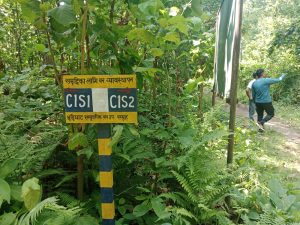
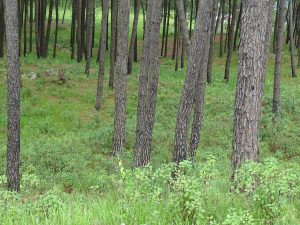
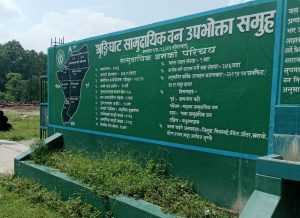
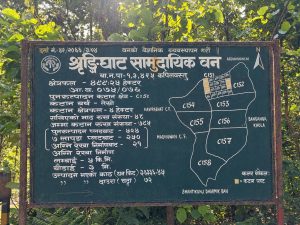
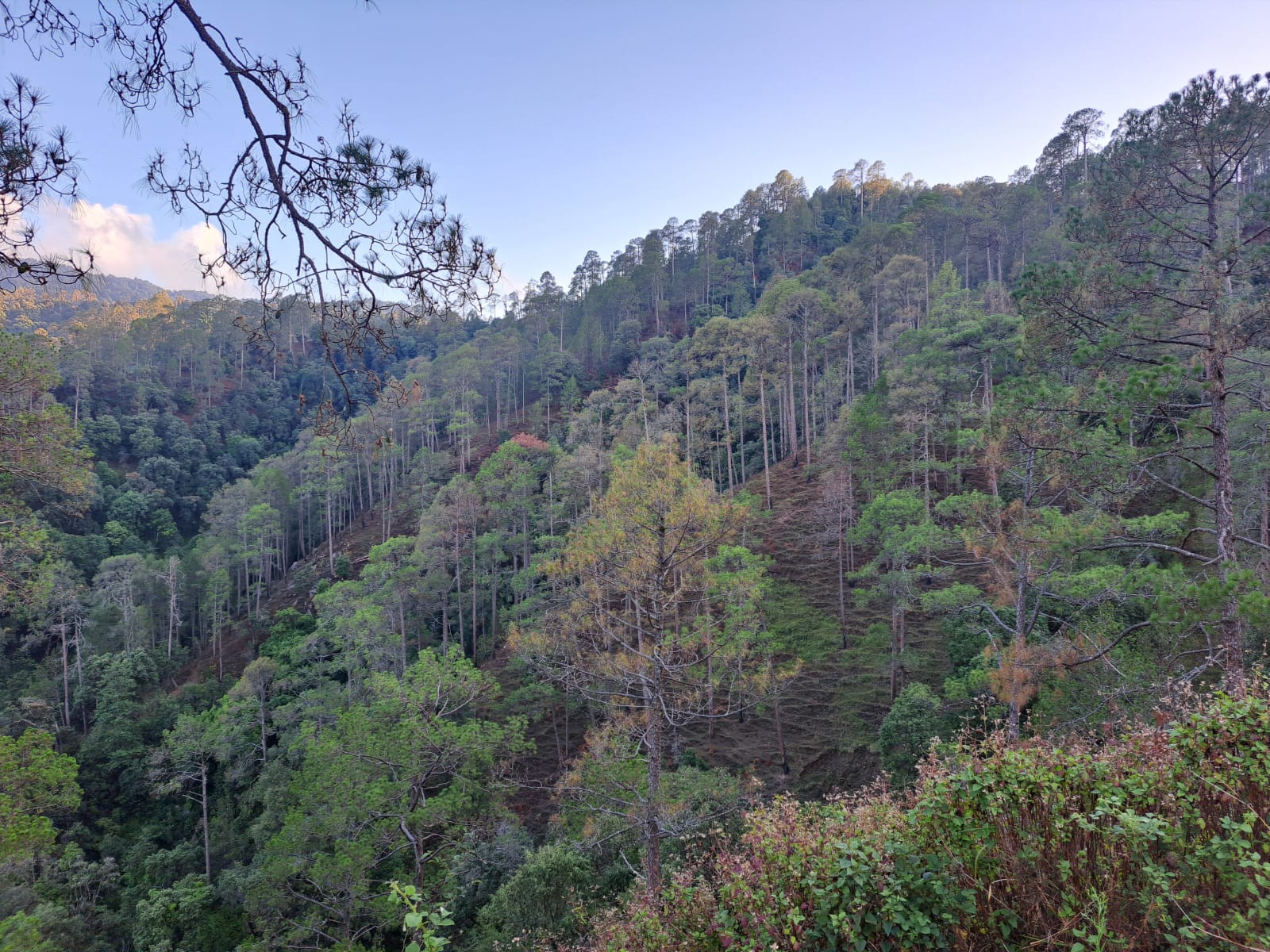
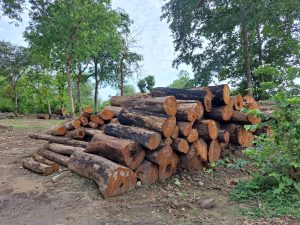
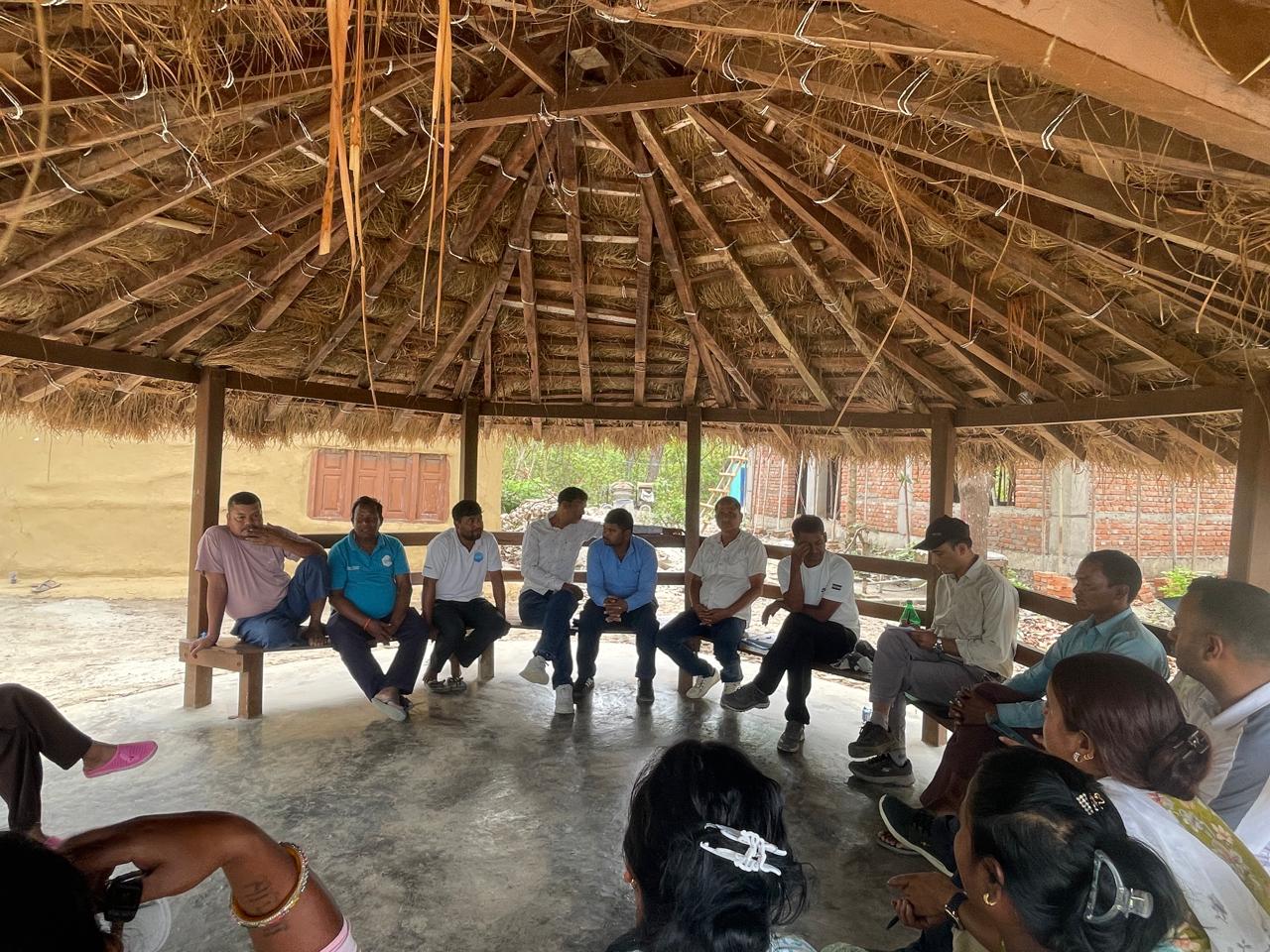
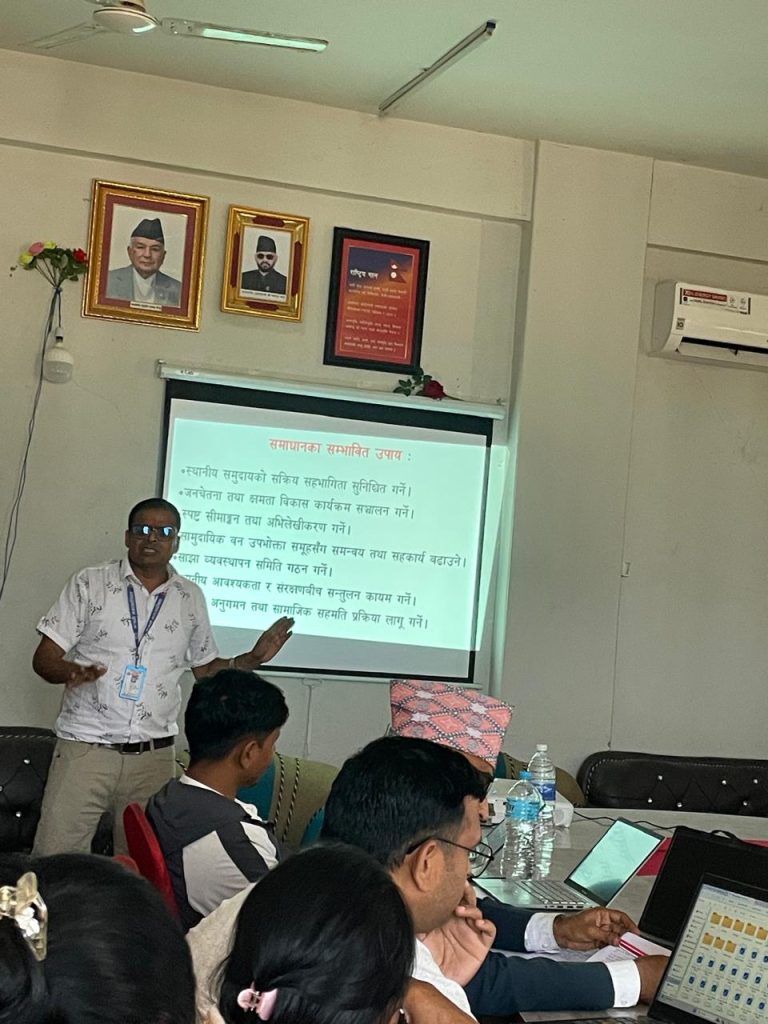
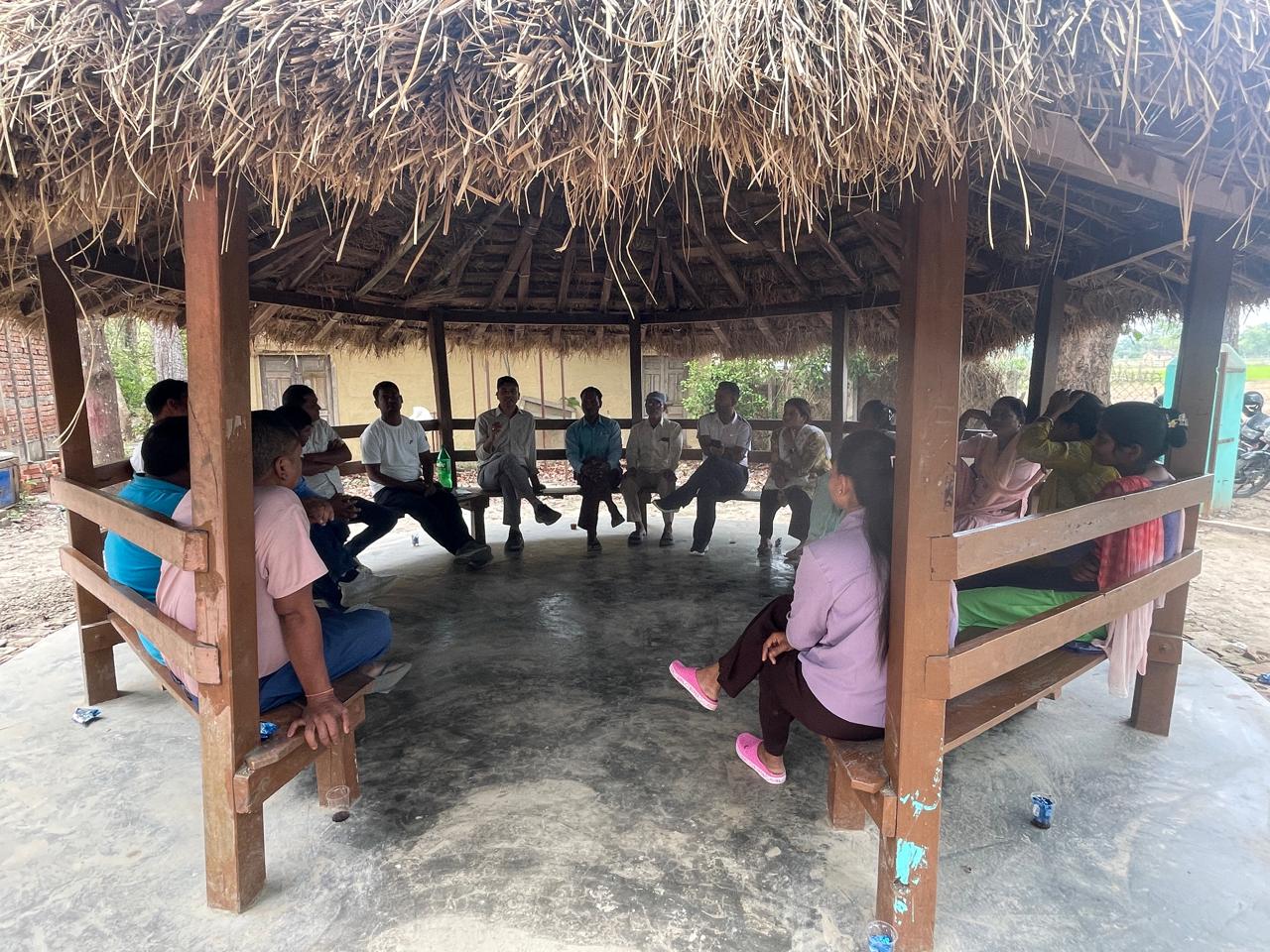
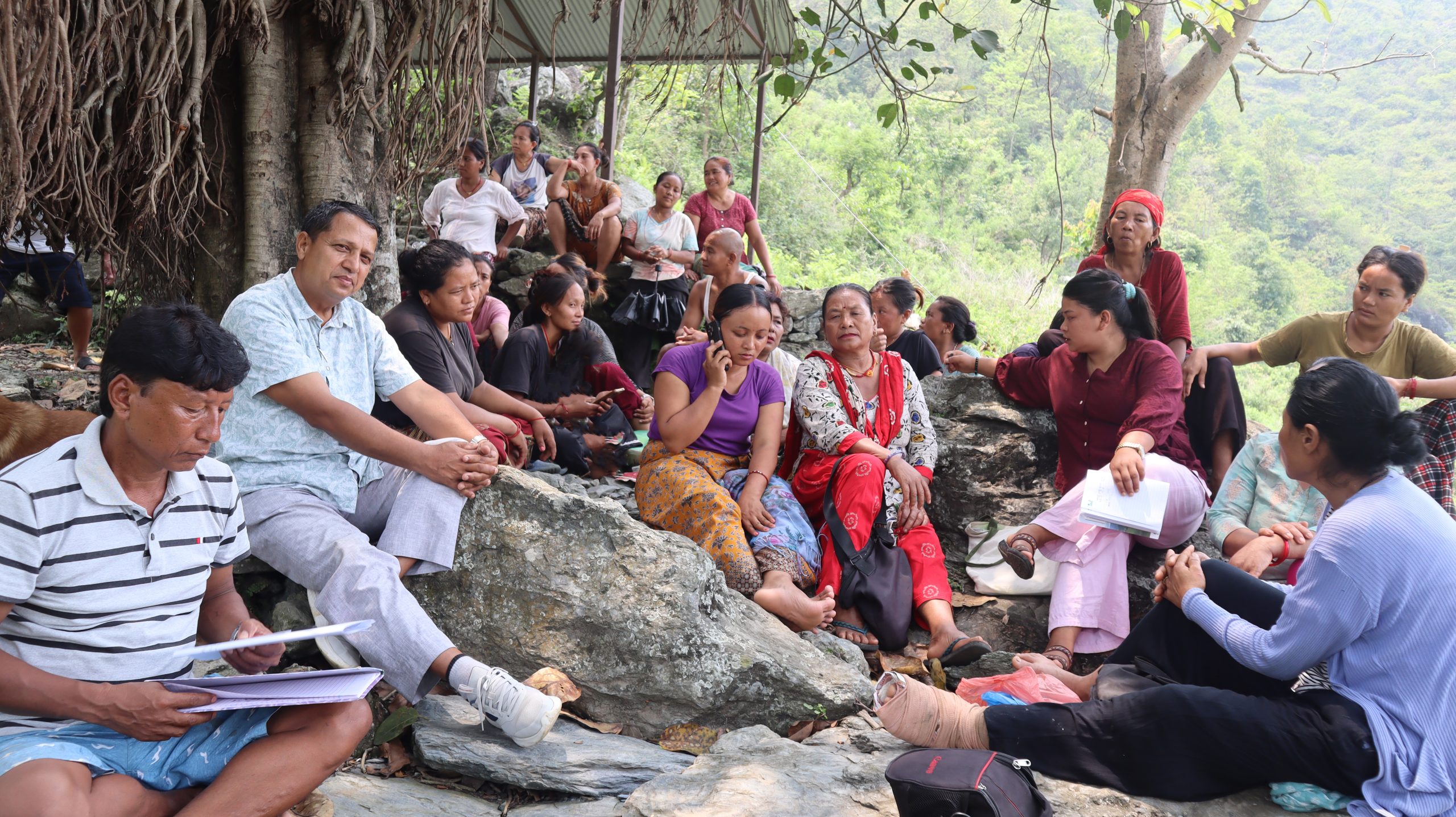
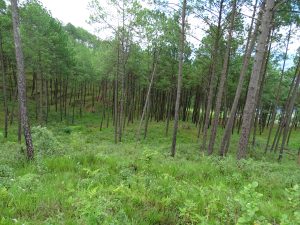
In this context, as a part of SNGP-II project, the team assessed the different ecological region’s Community Based Forest Management (CBFM) to reflect the forest management and governance practices in three provinces. The field work was carried out in Umakochowk CFUG, Myagde-2, Tanahun, Milijuli Paleko Ban CFUG, Tansen-13, Palpa, Shreengeghat CFUG, Bangganga-1,3,4,5, Kapilvastu, Deepad CFUG, Manahari-6, Makwanpur and Madhyabindu Collaborative FUG, Kawasoti-14, Nawalpur. These selected cases illustrated successful forest management approaches across diverse ecological, institutional, and governance contexts. Key observation was implementation of operation plans, distribution of forest products, engagement with different stakeholders, adoption of silviculture practices, satisfaction level of users, documentation practices, and inclusiveness on activities implementation.


Blending Art, Science, and Policy for Sustainable Agri-Food Systems at SAFS 2026

ForestAction Nepal showcases theatre, dialogue, and technical presentations at the National Conference on Sustainable Agri-Food Systems

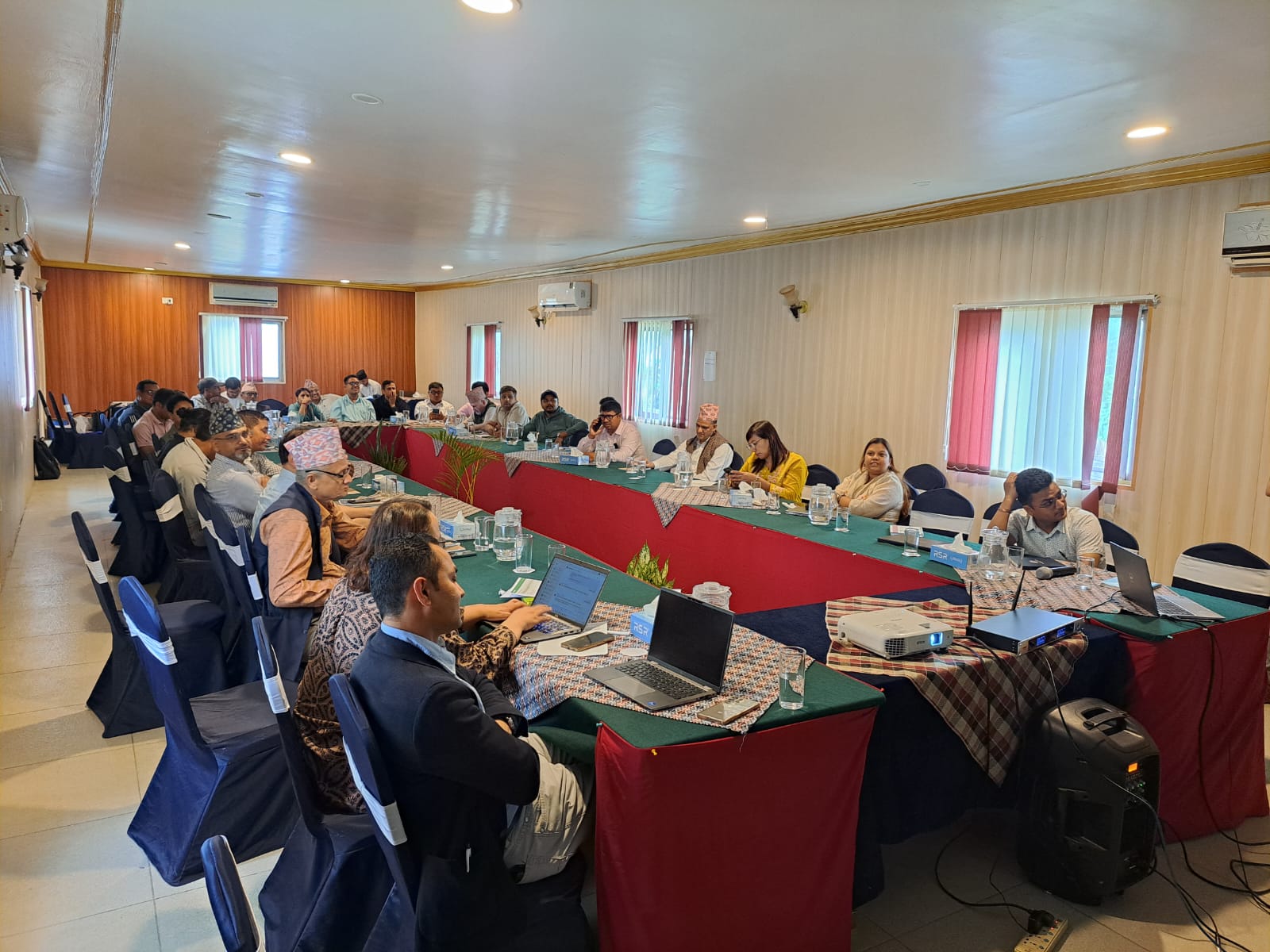
As a contributing organization to the National Conference on Sustainable Agri-Food Systems (SAFS 2026), organized by the Agriculture and Forestry University (AFU) from 25–27 June 2026 in Rampur, Chitwan, ForestAction Nepal showcased innovative approaches to promoting sustainable agri-food systems through theatre, dialogue, and technical presentations.

Opening Day: Theatre as a Catalyst for Reflection

On the opening day of the conference, ForestAction Nepal, in collaboration with Karmi Chautari—a collective of professional theatre artists from Chitwan, staged a thought-provoking theatre performance titled “An Epilogue: The Muted Melody.” Centered on the theme “We Are Muting the Melody of Nature,” the performance explored the growing disconnect between humans and nature by highlighting pressing environmental and agricultural challenges, including ecosystem degradation, unsustainable agricultural production systems, increasing pollution, and the erosion of indigenous food systems.The performance encouraged participants to critically reflect on the sustainability of prevailing agricultural production and consumption systems and the urgent need to transition toward more resilient, equitable, and nature-positive agri-food systems. An interactive discussion followed, providing space for participants to share reflections, exchange perspectives, and explore how creative arts can stimulate dialogue, inspire collective action, and foster social change.

The session concluded with a musical performance titled “Who Would Be a Fool to arm Here?” a fusion of rap and melody that humorously portrayed contemporary perceptions of agriculture. By highlighting the declining appeal of farming among young people, the performance underscored the urgent need to restore dignity, recognition, and value to agriculture as a viable, rewarding, and respected profession.

Second Day: Science and Policy Take the Stage
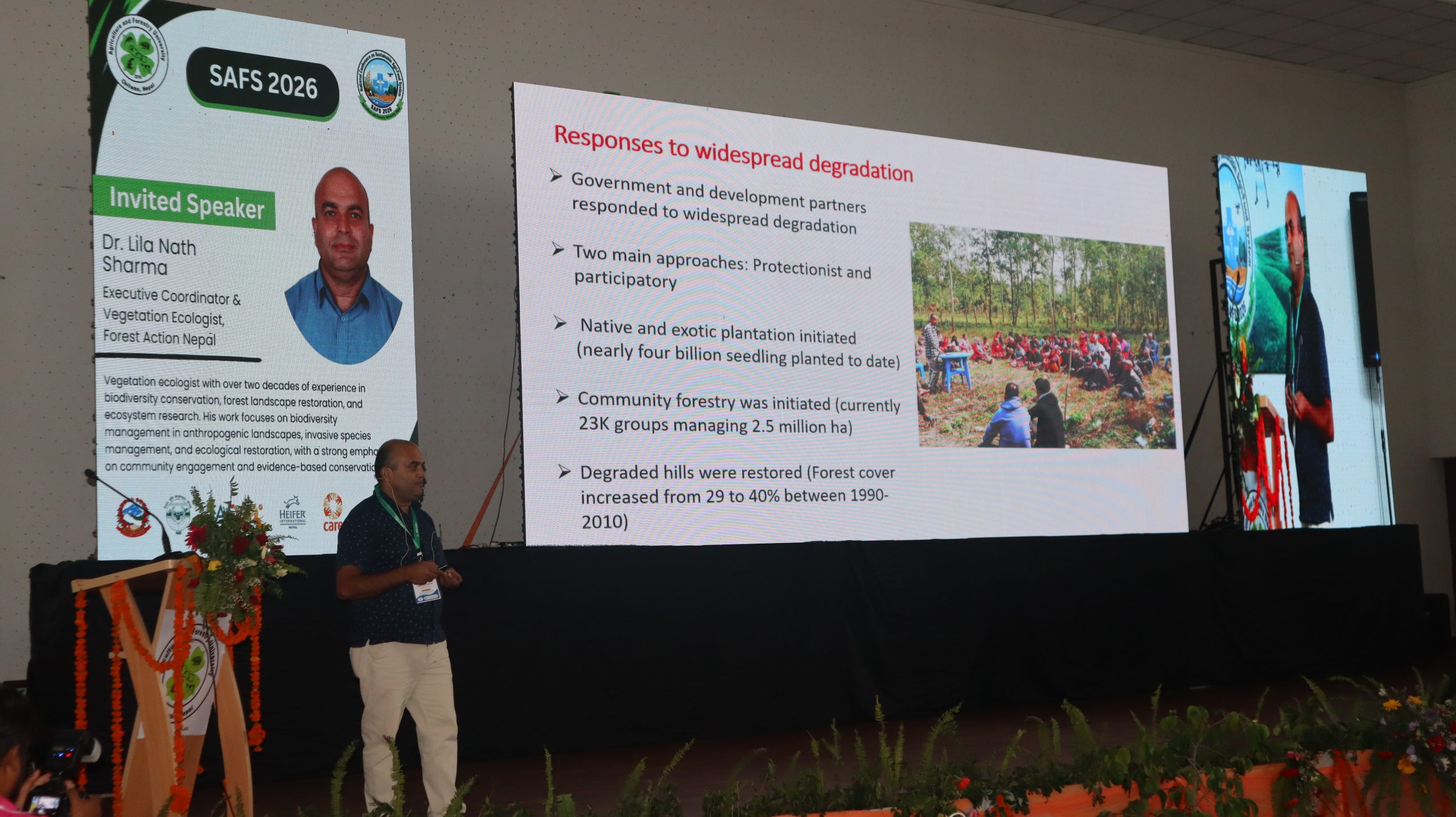
On the second day of the conference, Dr. Lila Nath Sharma, Executive Coordinator of ForestAction Nepal, delivered a keynote presentation titled “Transitioning Nepal’s Forest Restoration from ‘Forest Cover to Biodiversity and Health’ for Resilient Landscapes.” He emphasized the need to shift Nepal’s forest restoration efforts beyond increasing forest cover toward enhancing biodiversity, improving forest health, and strengthening community stewardship to build resilient landscapes.
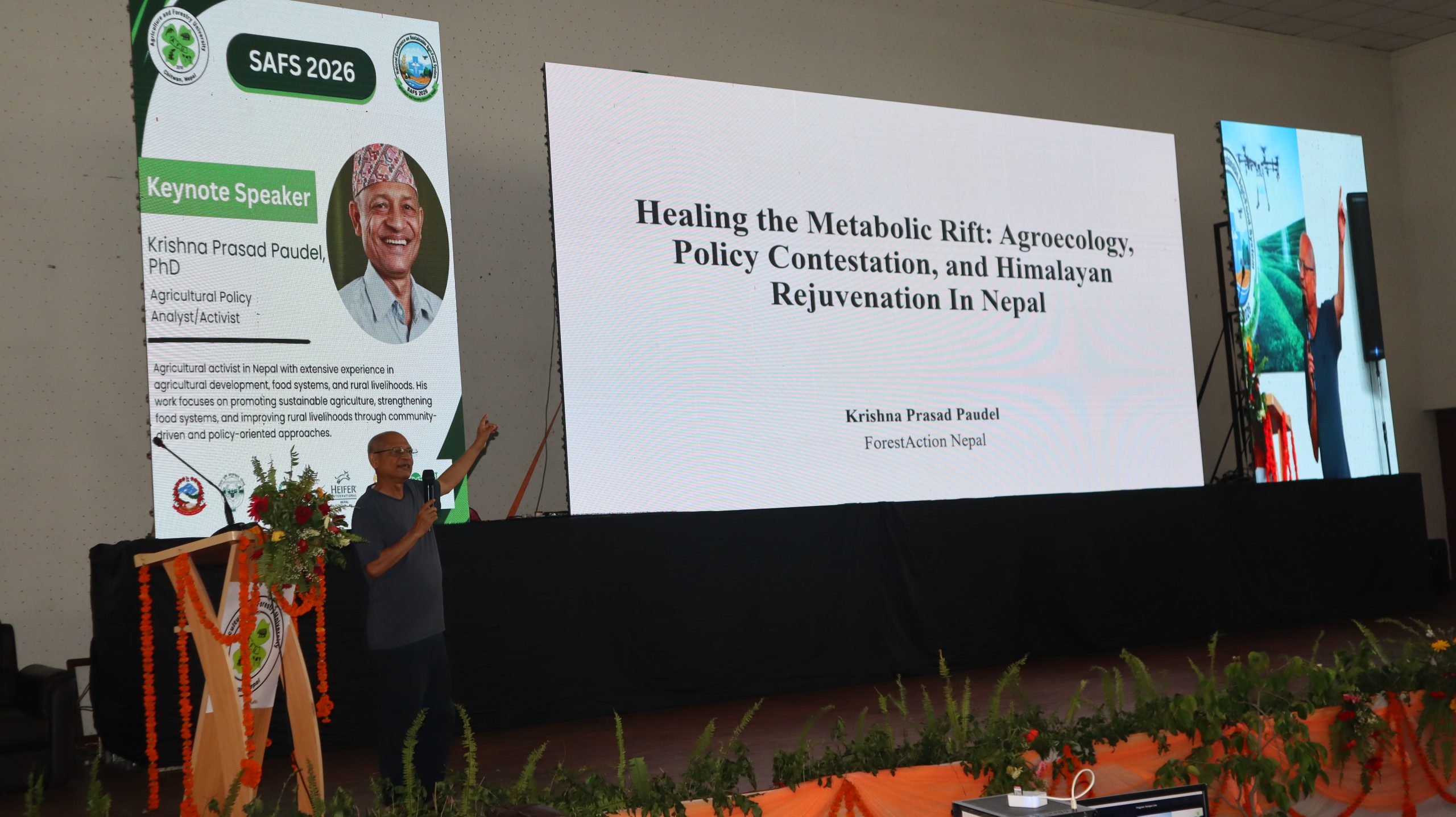
Dr. Krishna Prasad Paudel, Agricultural Policy Analyst at ForestAction Nepal, also delivered a keynote presentation titled “Healing the Metabolic Rift: Agroecology, Policy Contestation, and Himalayan Rejuvenation in Nepal.” His presentation examined the ecological and socio-economic consequences of industrial agriculture and highlighted the importance of agroecological approaches in restoring soil health, strengthening food sovereignty, and advancing the sustainable transformation of Nepal’s agri-food systems.

Reinforcing a Commitment to Sustainable Food Systems

ForestAction Nepal’s participation in SAFS 2026 reflects its enduring commitment to advancing sustainable and resilient agri-food systems in Nepal. Through interdisciplinary research, policy engagement, innovation, and strategic collaboration, the organization continues to promote evidence-based solutions that strengthen agroecology, conserve biodiversity, restore resilient landscapes, and support inclusive rural development. The organization remains committed to working with diverse partners to foster transformative change toward sustainable food systems and a more resilient future for both people and nature.

Practitioners’ Forum on Regenerative Agriculture

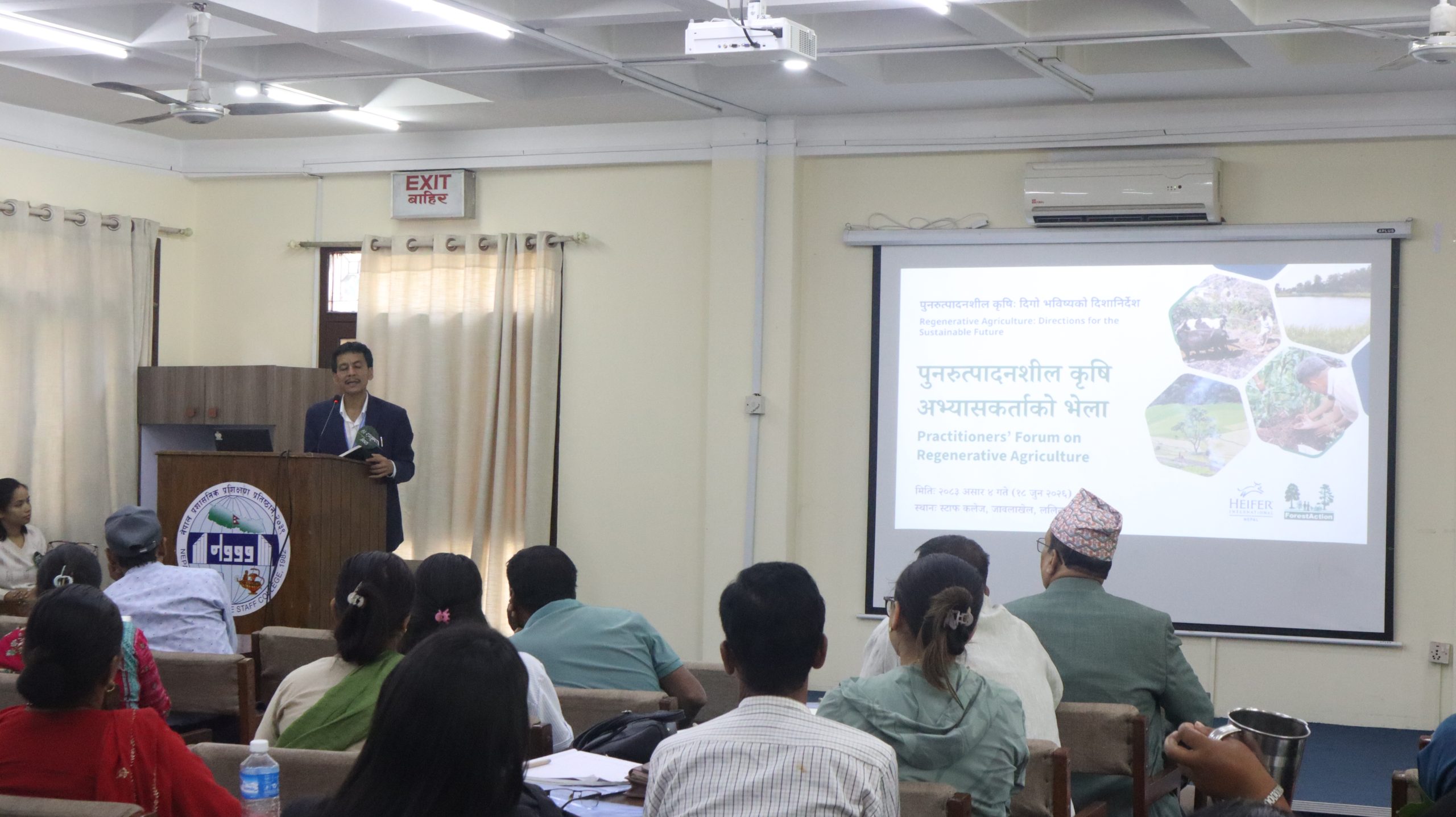
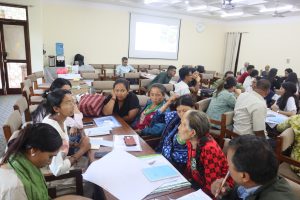
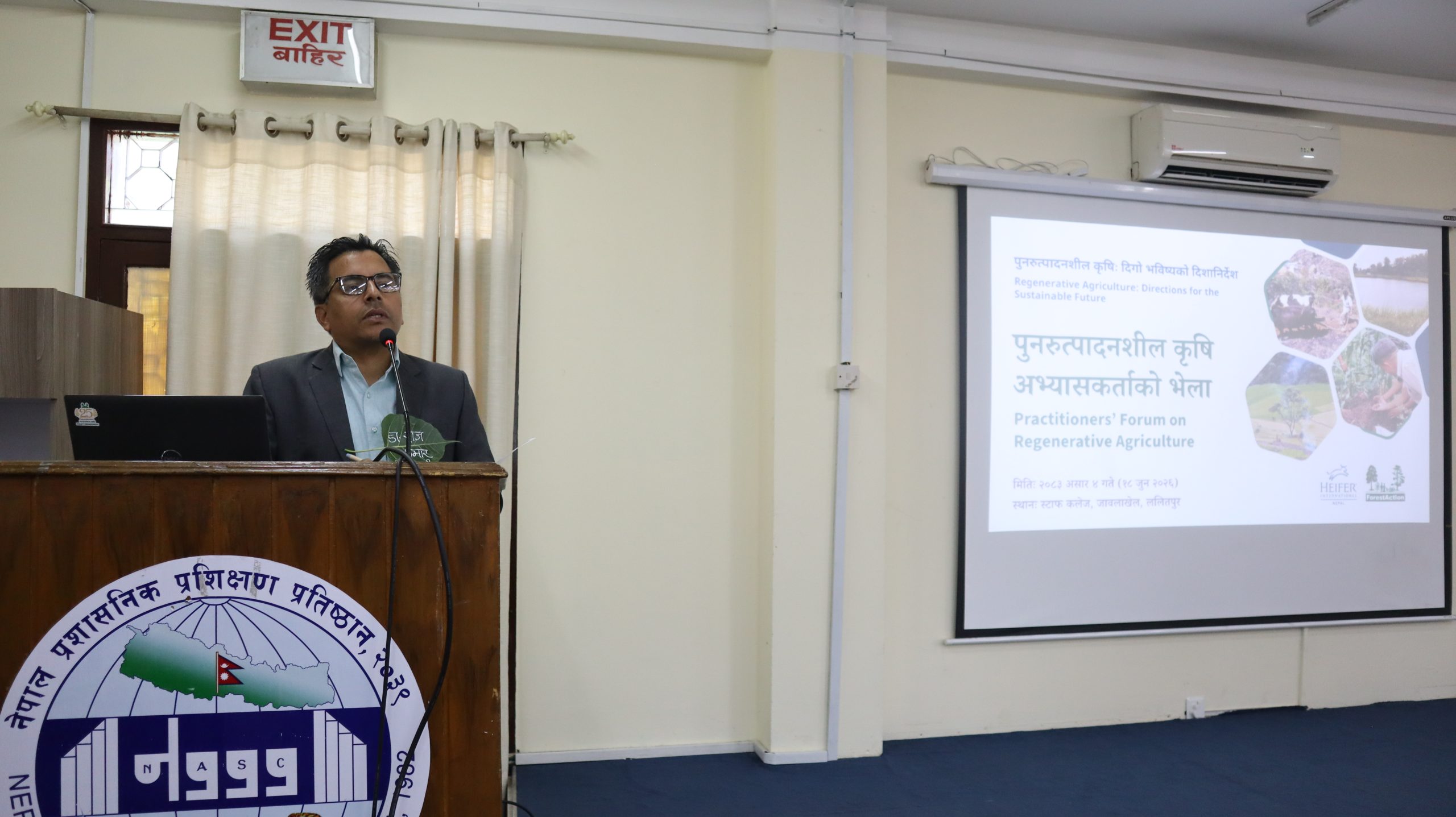
ForestAction Nepal, with support from Heifer International Nepal, organized a one-day Practitioners’ Forum on Regenerative Agriculture on 18 June 2026 (4 Ashar 2083) at the Nepal Administrative Staff College, Jawalakhel, Lalitpur. Held under the theme “Regenerative Agriculture: Directions for a Sustainable Future,” the forum brought together around 70 participants from different parts of Nepal, including researchers, policymakers, government officials, development practitioners, farmers, agricultural students, academics, journalists, and civil society representatives. The event provided a platform for knowledge exchange and dialogue on advancing regenerative agriculture and agroecology in Nepal.

The forum addressed the growing challenges facing Nepali agriculture, including climate change, biodiversity loss, soil degradation, shrinking farmland, the rising prevalence of non-communicable diseases, and increasing dependence on external agricultural inputs such as chemical fertilizers and pesticides. Through keynote presentations on regenerative agriculture, Deep Regenerative Agriculture (D-REGAAGRI), and Nepal’s National Agroecology Roadmap, participants explored emerging approaches and policy directions for building more resilient and sustainable agricultural systems.

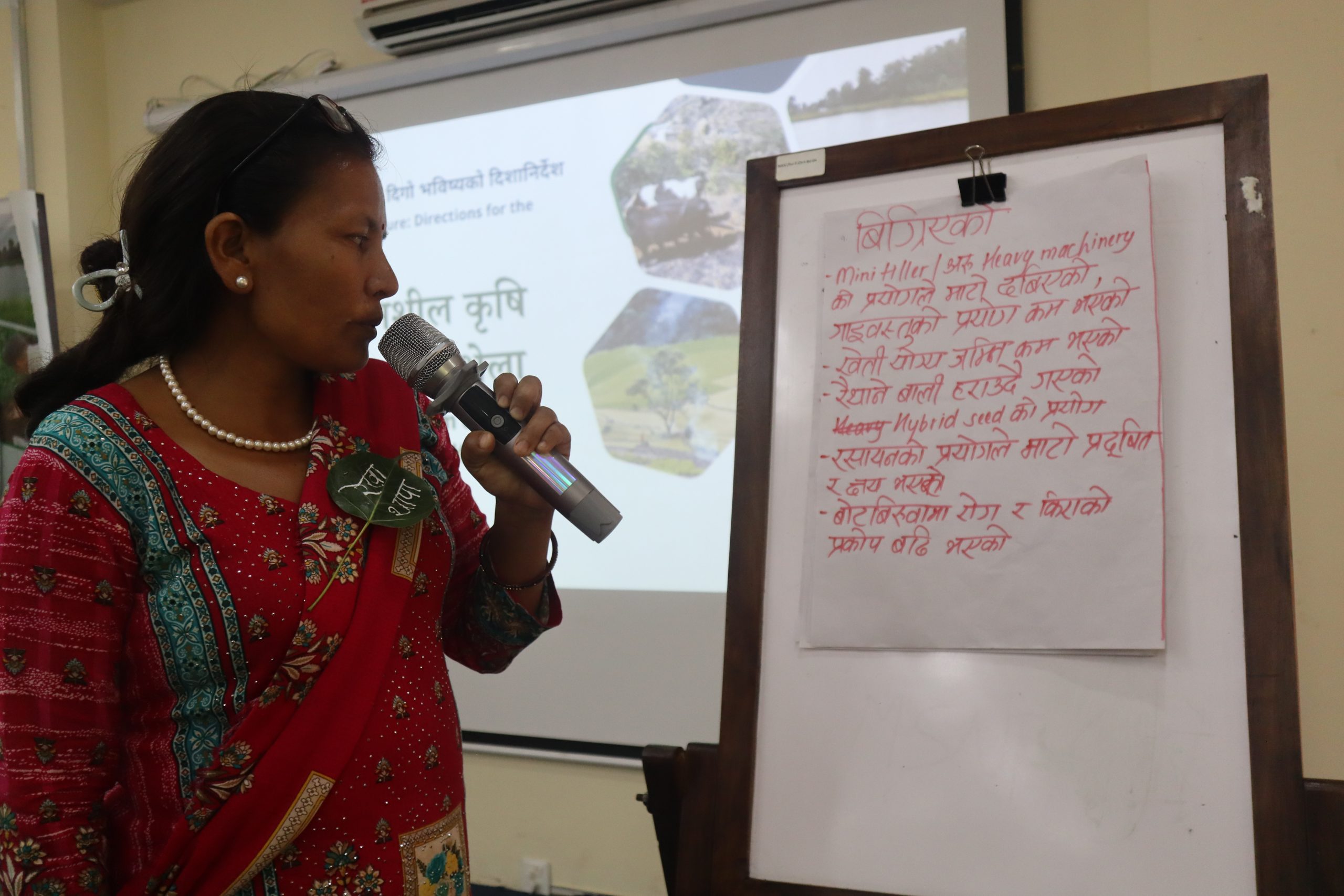
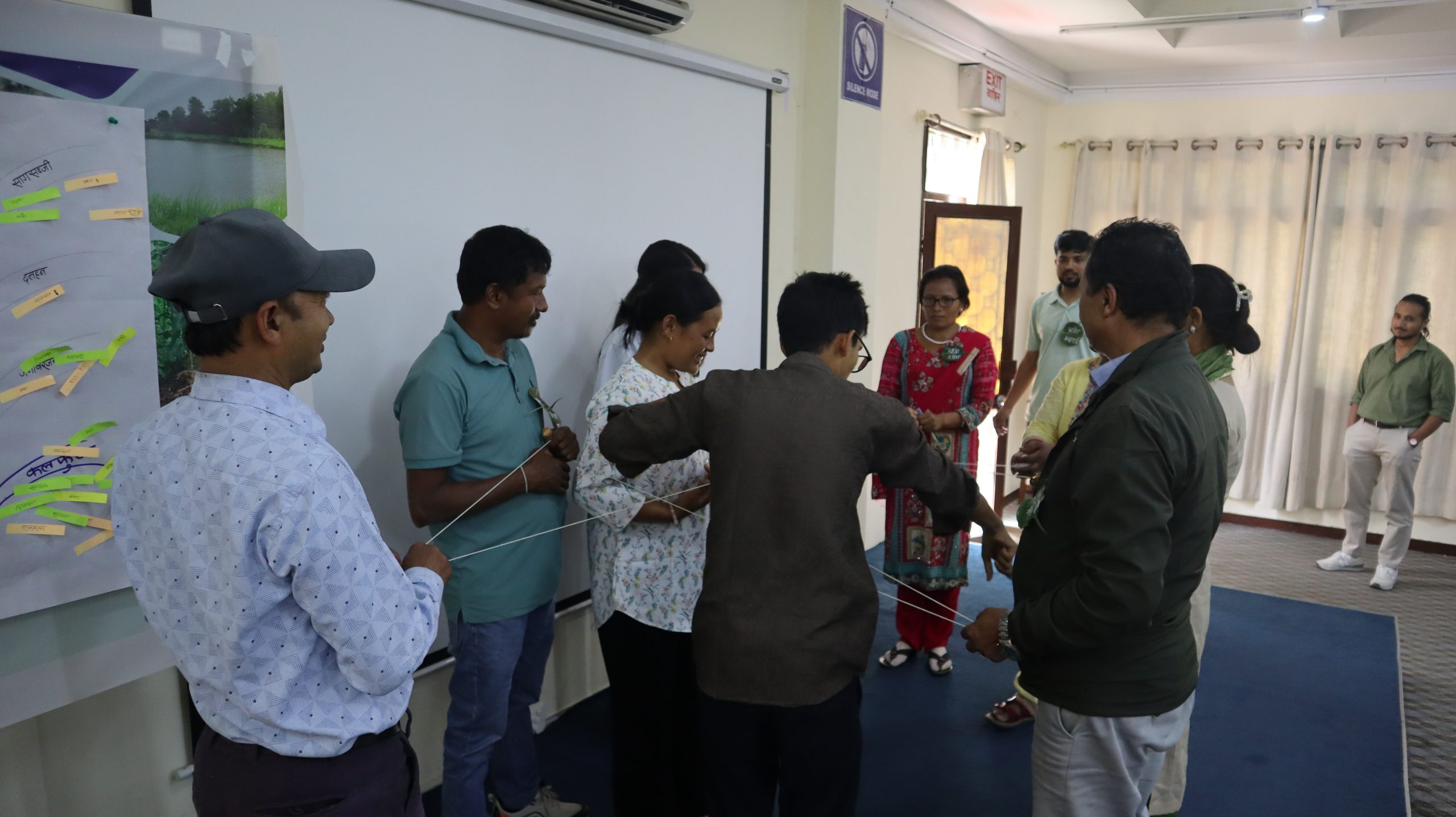
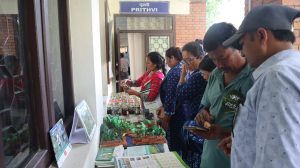
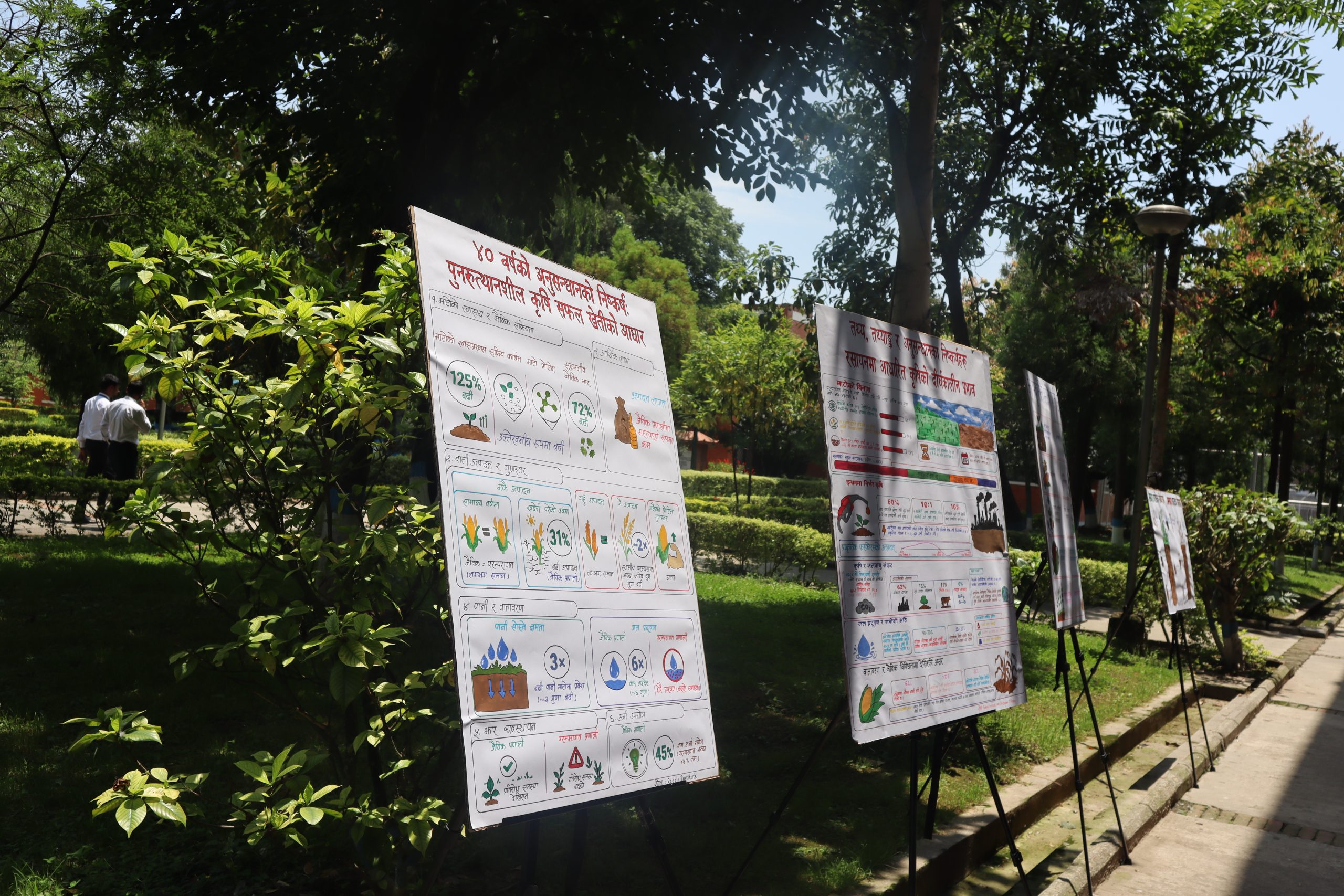
The program also featured interactive discussions and group work, enabling participants to share experiences, identify key challenges, and develop practical recommendations for strengthening regenerative agriculture through policy reform, research, capacity building, and multi-stakeholder collaboration.Running alongside the forum, an exhibition showcased indigenous seeds, sustainable farming tools, 3D models, and informational displays, providing participants with practical insights into regenerative agricultural practices.

Together, the presentations, discussions, exhibition, and collaborative group work generated a shared evidence base and a set of actionable recommendations to inform future policy, programming, research, and practice on regenerative agriculture in Nepal, while reinforcing the importance of collective efforts to revive indigenous agricultural knowledge, restore soil health, and preserve traditional farming knowledge for future generations.


TRANSMIT Project Kick-off in Sudurpashchim Province

From 12–15 June 2026, ForestAction Nepal along with the consortium partners embarked on a insightful field visit to Sudurpaschim Province, and here’s a glimpse of what unfolded.

Together with the consortium partners, led by the University of Göttingen (Germany), United Nations University – Institute for Environment and Human Security (UNU-EHS), International Centre for Integrated Mountain Development (ICIMOD), and Nepal Forest Fire Management Chapter (NFMC), an inception workshop was held in Dhangadhi, bringing together key federal and provincial stakeholders for the transboundary approaches to sustainable forest management for enhancing climate resilient and reducing disaster risk in the Himalayas (TRANSMIT) project.

Prior to the workshop, ForestAction Nepal and ICIMOD collaboratively completed groundwork on Community Forest selection across three districts, Kanchanpur, Dadeldhura, and Darchula, laying the foundation for three years of research focused on disaster risk mitigation, climate resilience, and livelihood support for local communities. The consortium was met with encouraging and positive response from the Province Secretary, Province Forest Director, and other key stakeholders.

Over three days, the team visited community forests across all three districts, walking through diverse forest types, meeting local communities, and gaining invaluable on-ground perspective on the challenges and opportunities that lie ahead.

A strong start to building transboundary forest resilience in the Western Himalayas.

Natural Resource Management: Interaction on Management Authority

A joint team from The Asia Foundation (TAF) and ForestAction Nepal (FAN) conducted consultations from 7-10 May 2026 in Tikapur and Bhajani Municipalities, Kailali District, to assess governance challenges in community forest and natural resource management.

In Tikapur, discussion focused on local communities actively protecting and utilising municipal forests through informal groups, operating under annual agreements with the municipality for harvesting dead and fallen trees. Community members emphasised the urgent need for clear legal provisions that formally recognise and support community participation in municipal forest management. In Bhajani, governance conflicts have emerged over ponds located within community forest areas, where both Community Forest User Groups (CFUGs) and the municipality have independently initiated bidding processes for fish farming, resulting in overlapping claims and management disputes.

The assessment brought together representatives from The Asia Foundation (TAF), ForestAction Nepal (FAN), Nepal Water Conservation Foundation (NWCF), Sahakarmi Samaj, local governments, CFUGs, the Division Forest Office Pahalmanpur and the Provincial Ministry of Forests and Environment. The FAN team also conducted field visits and consultations with stakeholders from more than seven Community Forest User Groups, engaging over 22 participants.

The consultations generated a shared understanding of the need for both technical and legal interventions to address existing challenges. It was agreed that NWCF would provide technical support for developing management guidelines, while FAN would facilitate legal and policy support to strengthen governance and institutional arrangements.

Among the key recommendations emerging from the discussions were the development of clear local legal provisions for municipal forest management in Tikapur and the establishment of a multi-stakeholder Pond Management Committee in Bhajani. Such collaborative mechanisms have the potential to strengthen local governance, support sustainable management of natural resources, and promote equitable sharing of benefits among communities and local governments.

Young Voices, Green Futures: World Environment Day Celebration in Ichhakamana

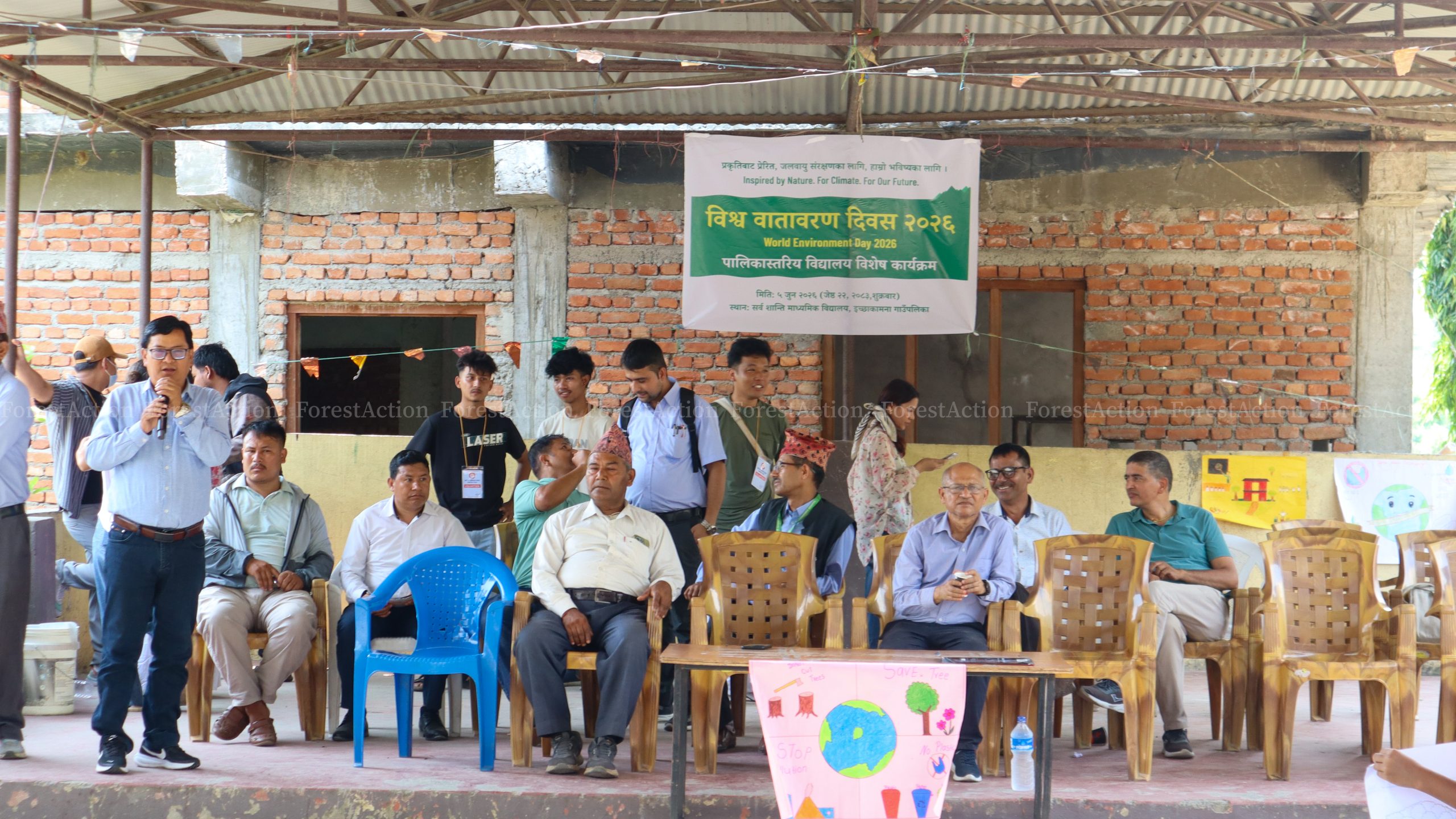
On June 5, this World Environment Day, celebrated under the theme “Inspired by Nature, for Climate, for Our Future,“ ForestAction Nepal marked the occasion in collaboration with Ichhakamana Rural Municipality and Sarva Shanti Higher Secondary School, Kurintar, Ichhakamana, Chitwan. Bringing together students and teachers from seven schools across Ichhakamana, the program served as a meaningful platform to celebrate our shared responsibility toward the environment while fostering learning, collaboration, and environmental awareness.

Students took to the streets in an enthusiastic rally, their energy and voices a powerful reminder that concern for our planet knows no age. Through a colorful exhibition, they showcased their understanding of environmental issues and highlighted the small but important steps each of us can take to make a difference. Through short role plays, students brought environmental challenges to life in creative and meaningful ways, while lively games made learning about nature both engaging and memorable.

Celebrating World Environment Day with students is deeply meaningful as it nurtures environmental awareness at an age when lifelong values are formed, turning curiosity into commitment and inspiration into action. Events like these remind us that protecting our environment begins with educating, inspiring, and empowering the next generation to become responsible stewards of the Earth.

Note: Prior consent was obtained from the concerned school administration for the photography and videography.

Training on entrepreneurship development, management, record-keeping, and financial literacy under CaFiN Project

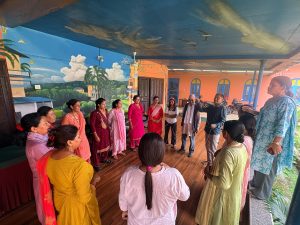
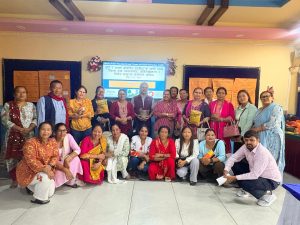
Training programs on entrepreneurship development, management, record-keeping, and financial literacy were conducted for agriculture and forest-based entrepreneurs networks formed in coordination with local governments at Sindhupalchok and Nawalpur districts under CaFIN project funded by IDRC through CPI. The training aimed to strengthen the entrepreneurial, managerial, and financial capacities of local entrepreneurs (mostly women) to support the sustainability and growth of the micro/home-based enterprises.

A total of 59 entrepreneurs participated in the training, including 23 participants from Barhabise Municipality and Tripurasundari Rural Municipality of Sindhupalchok District, 16 participants from Devchuli Municipality, and 20 participants from Gaindakot Municipality of Nawalpur District. The participants were organised into three groups, with each group receiving a three-day training conducted between 18th to 28th May 2026.

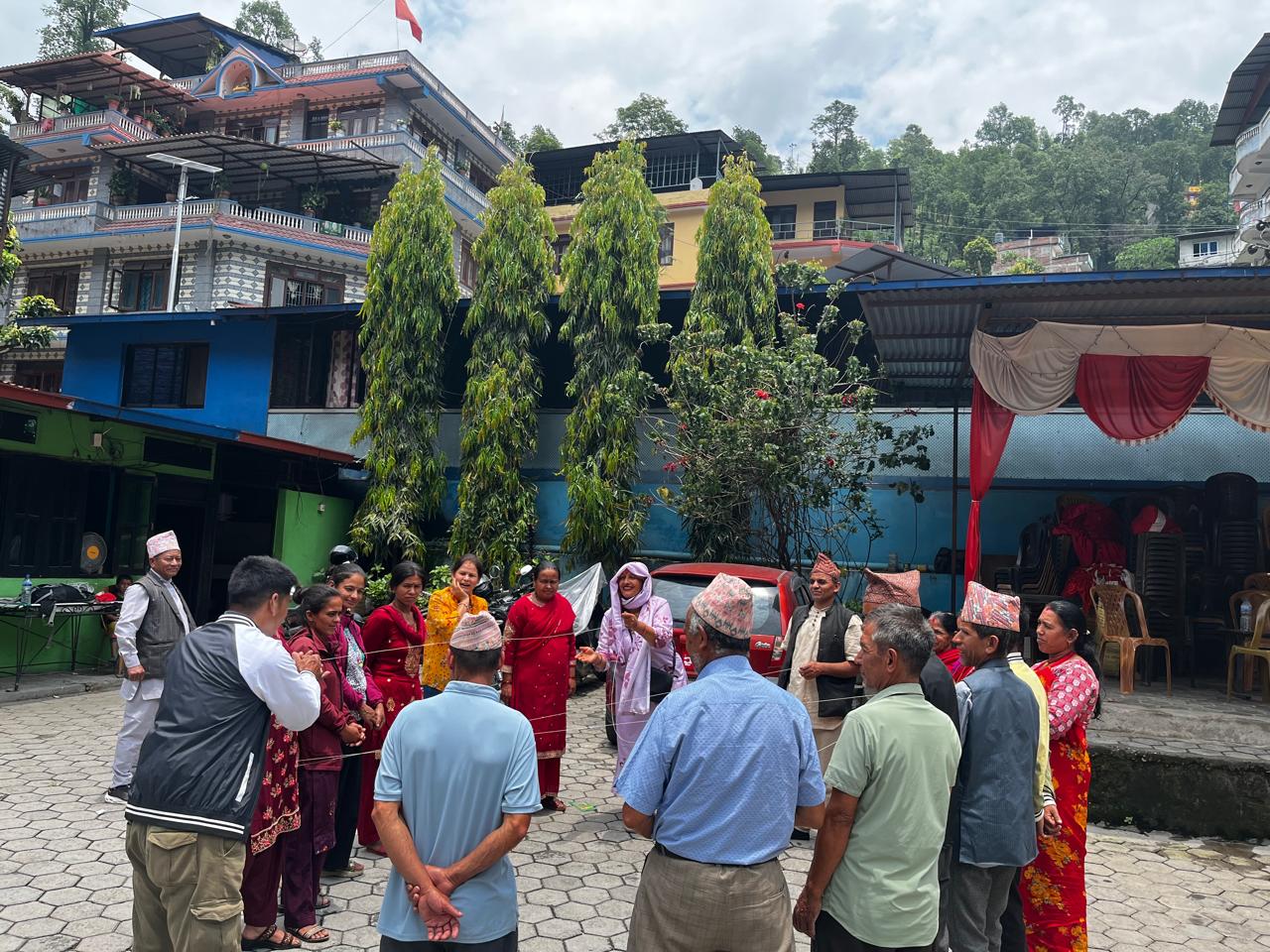
The training was facilitated by resource persons with expertise in enterprise development, financial literacy, business management, and regulatory procedures for registration and fund acquisition from municipality, district and banks too. The sessions were designed to strengthen the capacities of women entrepreneurs by enhancing their understanding and skills in enterprise planning and management, financial record-keeping, access to financial services, and compliance with relevant legal and regulatory requirements. Through interactive discussions, practical exercises, games and experience sharing, participants gained a better understanding of how to effectively manage and expand their enterprises, thereby improving their prospects for sustainable business growth and economic empowerment.

The training provided participants with practical knowledge and skills on enterprise operation, business management, record-keeping, and financial literacy. Interactive discussions were held to identify the key challenges affecting the continuity and growth of existing enterprises. Participants analysed the reasons behind not being able to grow their businesses and explored potential solutions to address these challenges.

The training also enhanced participants’ understanding of business planning and the importance of maintaining financial and operational records. Entrepreneurs were encouraged to develop business plans for their respective enterprises that could improve the systematic operation and expansion of their enterprises. At the end, participants expressed their commitment to applying the knowledge gained and continuing to strengthen and expand their businesses.


Media Dialogue Highlights the Role of Media in Agriculture and Food System Transformation

On 23 May 2026, ForestAction Nepal, serving as the Secretariat of the Alliance of Agriculture for Food (AAF), successfully concluded a “Media Dialogue and Interaction Program” focused on contemporary agricultural issues in Shankharapur, Kathmandu. The program brought together around thirty participants, including journalists from various media houses and newspapers, members of the secretariat, youth practitioners, agricultural advocates, and alliance members.

Centering on agroecology and sustainable agriculture, the interaction featured open and participatory discussions on the diverse challenges facing Nepal’s food and agricultural systems. The program also emphasized the effective role of the media and journalists in helping identify possible solutions to these challenges and contributing to meaningful change. The discussion session was facilitated by activist Mr. Teeka Bhattarai.

Participants extensively discussed a wide range of pressing issues, including seed sovereignty, the existing agricultural subsidy system, the impacts of chemical fertilizers and pesticides on soil and public health, and the rationale behind the government’s plan to operate chemical fertilizer factories. Deliberations also focused on the impacts of federalism and existing agricultural structures on smallholder farmers, particularly the challenges and difficulties faced at the grassroots level. Other key areas of discussion included the preservation and promotion of indigenous knowledge and organic farming practices, the growing impact of wildlife on agriculture, increasing dependence on agricultural imports, and the current situation of land tenure.

The interaction further explored measures to encourage youth participation in agriculture, along with the policy reforms necessary to support their engagement in agriculture and food system transformation. Discussions also focused on agricultural budget priorities and the broader influence of journalism and media in shaping agricultural discourse and policy.

Questions and queries raised by journalists during the session were addressed by Mr. Uddhav Adhikari, Coordinator of AAF. Further queries and concerns were addressed by Mr. Dipesh Nepal, a youth agriculture practitioner, along with other AAF members. Speaking on behalf of the media fraternity, Mr. Kiran Acharya, Chairperson of ANAJ (Association of Nepali Agricultural Journalists), emphasized the crucial responsibility of the media in presenting farmers issues to the public in a responsible, factual, and impactful manner.

The program ultimately underscored the urgent need for stronger collaboration among policymakers, agricultural practitioners, and the media sector to build a sustainable, self-reliant, and farmer-friendly agricultural system.


Organic Agriculture: Scope and Opportunities Madi, Chitwan

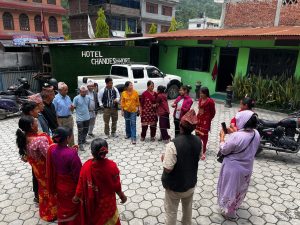
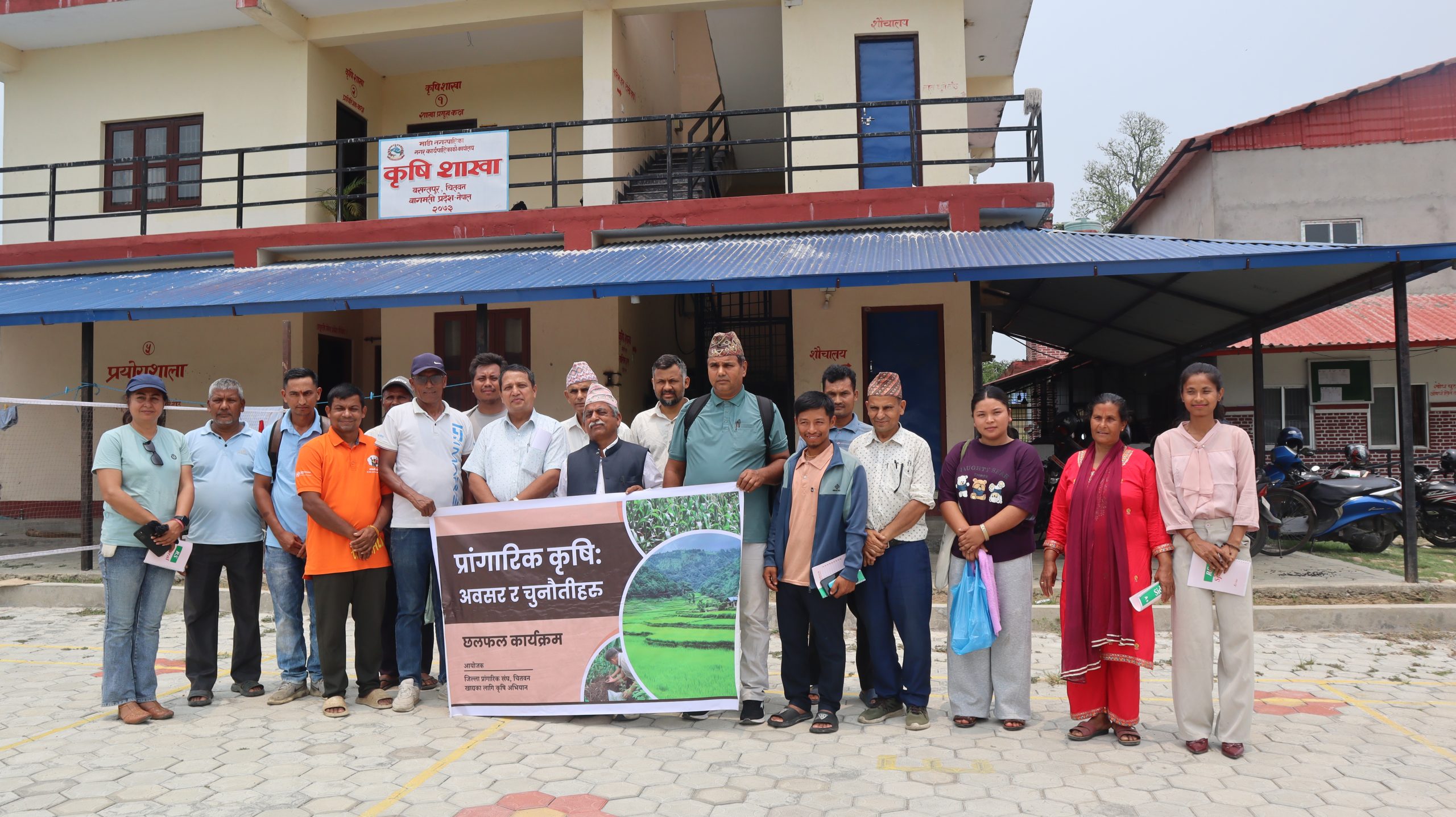
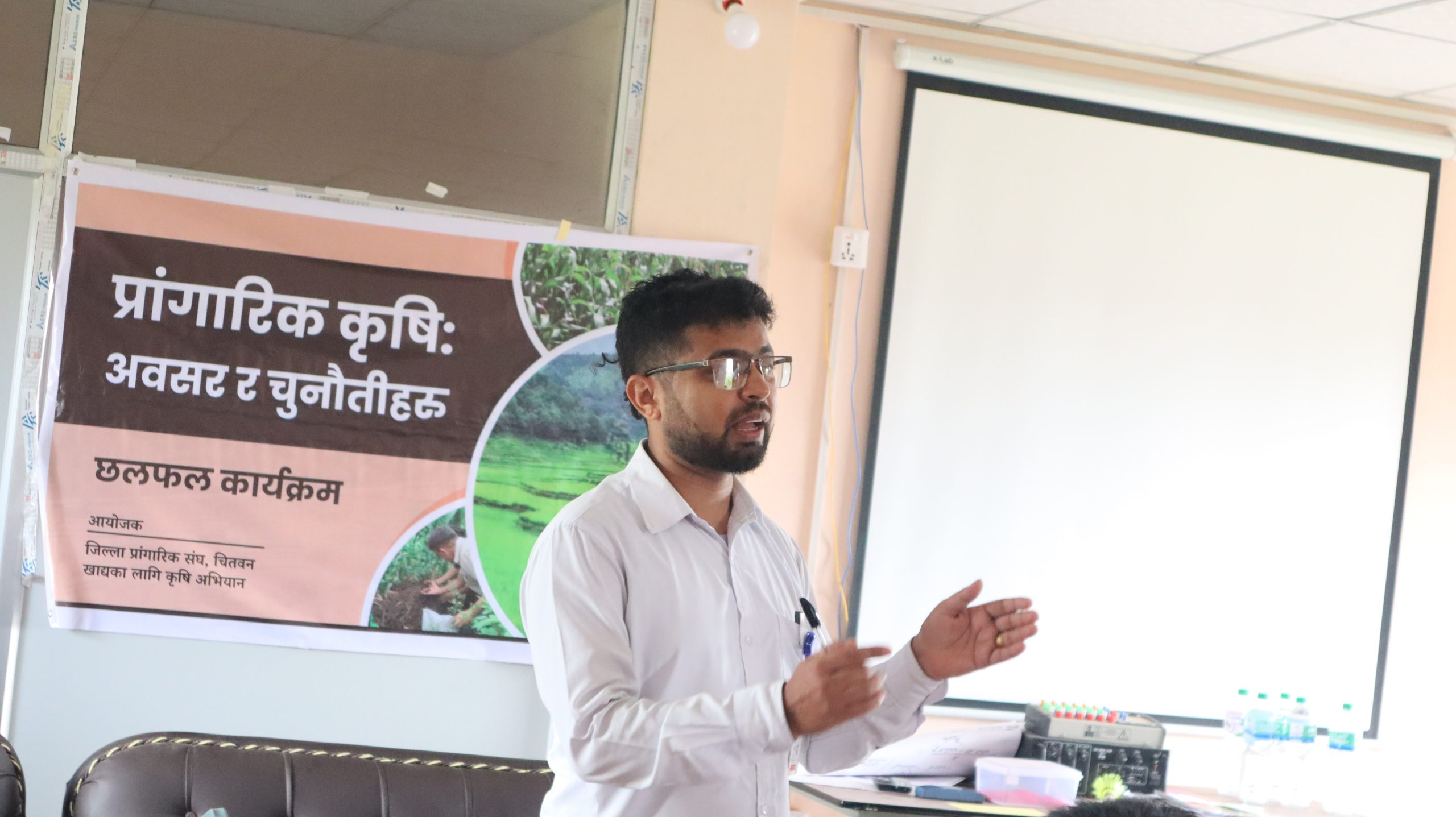
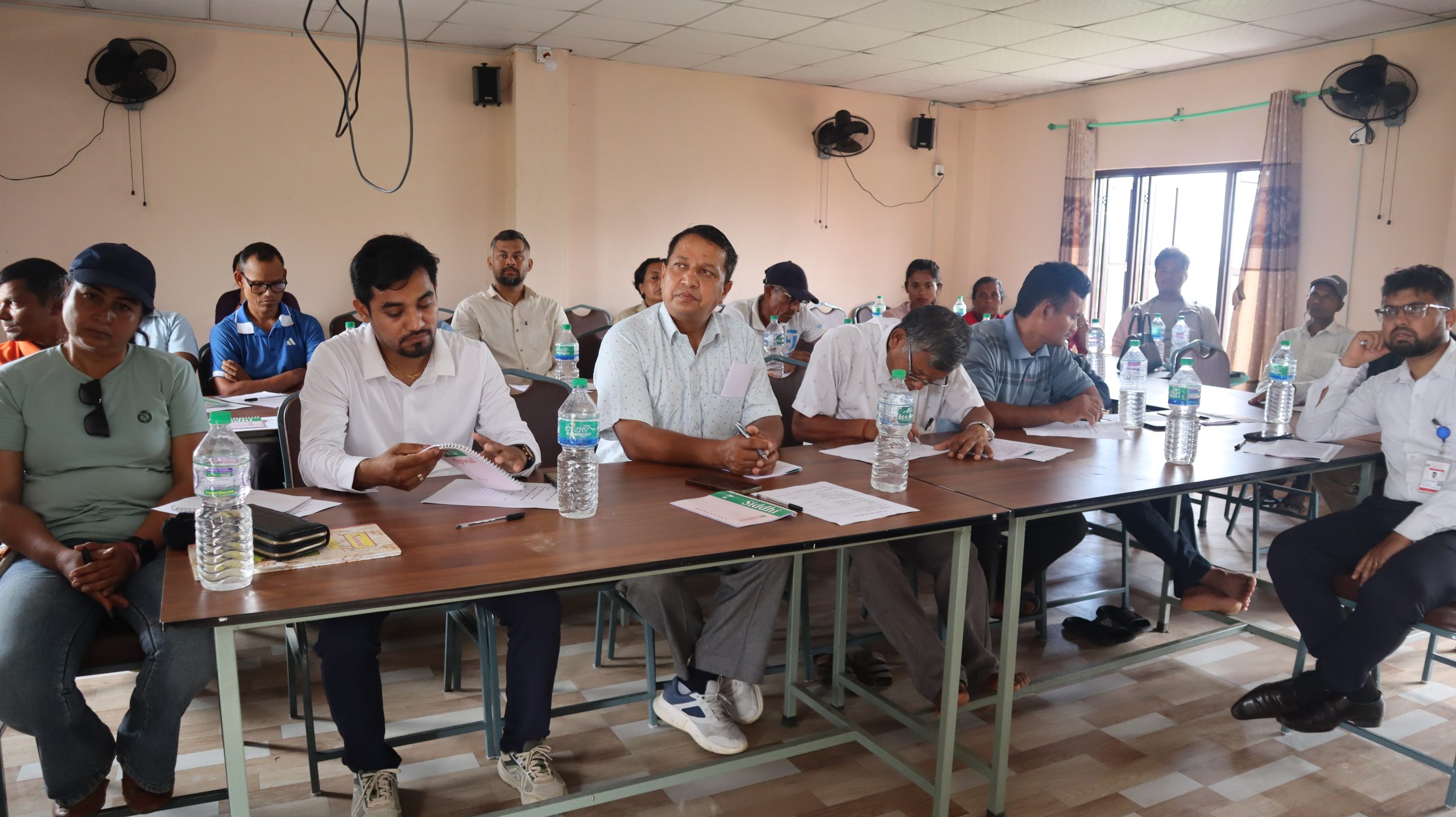
The Alliance of Agriculture for Food (AAF) and ForestAction Nepal organized an interaction program titled “Organic Agriculture: Scope and Opportunities“ on 20 May 2026 at Madi Municipality, Chitwan, bringing together approximately 30 participants including local farmers, organic producers, government representatives, civil society organizations, and private sector actors.

Sunil Bhandari opened the program with an overview of AAF’s history and its multi-level work in promoting agroecology from field to policy alongside ForestAction Nepal’s role in bridging grassroots realities with national advocacy. Mr. Chandra Prasad Adhikari, President of the District Organic Federation, shared his journey in organic production and stressed that uniting smallholder producers under accessible certification and participatory guarantee systems is central to gaining recognition for organic products at local and national levels.

AAF Coordinator Mr. Uddhav Adhikari presented evidence on the long-term economic burden of chemical fertilizer dependency, calling for urgent policy attention to production, consumption, and market dimensions of organic agriculture. Dr. Santosh Chhetri highlighted critical gaps in budget allocation for agricultural research and extension and drew direct links between food quality including commonly consumed products such as vegetables, milk, and yoghurt and public health outcomes.

Natural farming practitioner Ms. Bimala Acharya envisioned Madi as a future organic hub, advocating for open-pollinated varieties, local landraces, and dedicated producer-consumer networks as pillars of a viable organic system. Ms. Rashmi Pandit, a farm stay operator, underscored the synergy between agroecological farming and agri-tourism, expressing strong interest in collaborating with smallholder farmers transitioning to natural farming.

A landmark outcome of the program was the formation of an 11-member local-level organic federation in Madi, led by local farmers themselves. The federation is proposed as a sustained institutional mechanism for networking, coordination, and collective advocacy at both the district and national levels marking a significant step toward an organized and farmer-driven organic movement in Madi Municipality.

The program reaffirmed a collective commitment to advancing organic agriculture in Madi as a model for sustainable agricultural transformation in Nepal.

Local Farmers Expand Agroecological Practices Through Collective Action

Farmers from Dhusa and Pipal Dada under Ichchhakamana Rural Municipality have initiated a collective effort to expand organic farming practices while promoting long-term soil restoration. During the monthly meeting of the Community Action Group (CAG) held on 19th May 2026 in Dhusa, participating farmers discussed seasonal planning, organic input preparation, and strategies for chemical-free production.As part of the initiative, farmers have allocated a total of 22 kathas of land for chemical free cultivation in the initial phase, including 10 kathas from Pipal Dada and 12 kathas from Dhusa. The group collectively committed to avoiding the use of chemical fertilizers and pesticides in the designated fields.

Based on the available land and seasonal suitability, farmers identified maize, broad leaf mustard, and long beans as priority crops for the upcoming season. The remaining land area will be utilized for the cultivation of dhaicha as green manure to enhance soil fertility and improve soil organic matter. In preparation for the cropping season, all members also agreed to jointly prepare vermicompost, composts, and biopesticides using locally available resources.

The initiative reflects the growing commitment of local farming communities towards sustainable agriculture, agroecological practices, and improved soil health in the region.

Debating the Future of Fertilizers in Nepal: Chemical vs. Organic Pathways


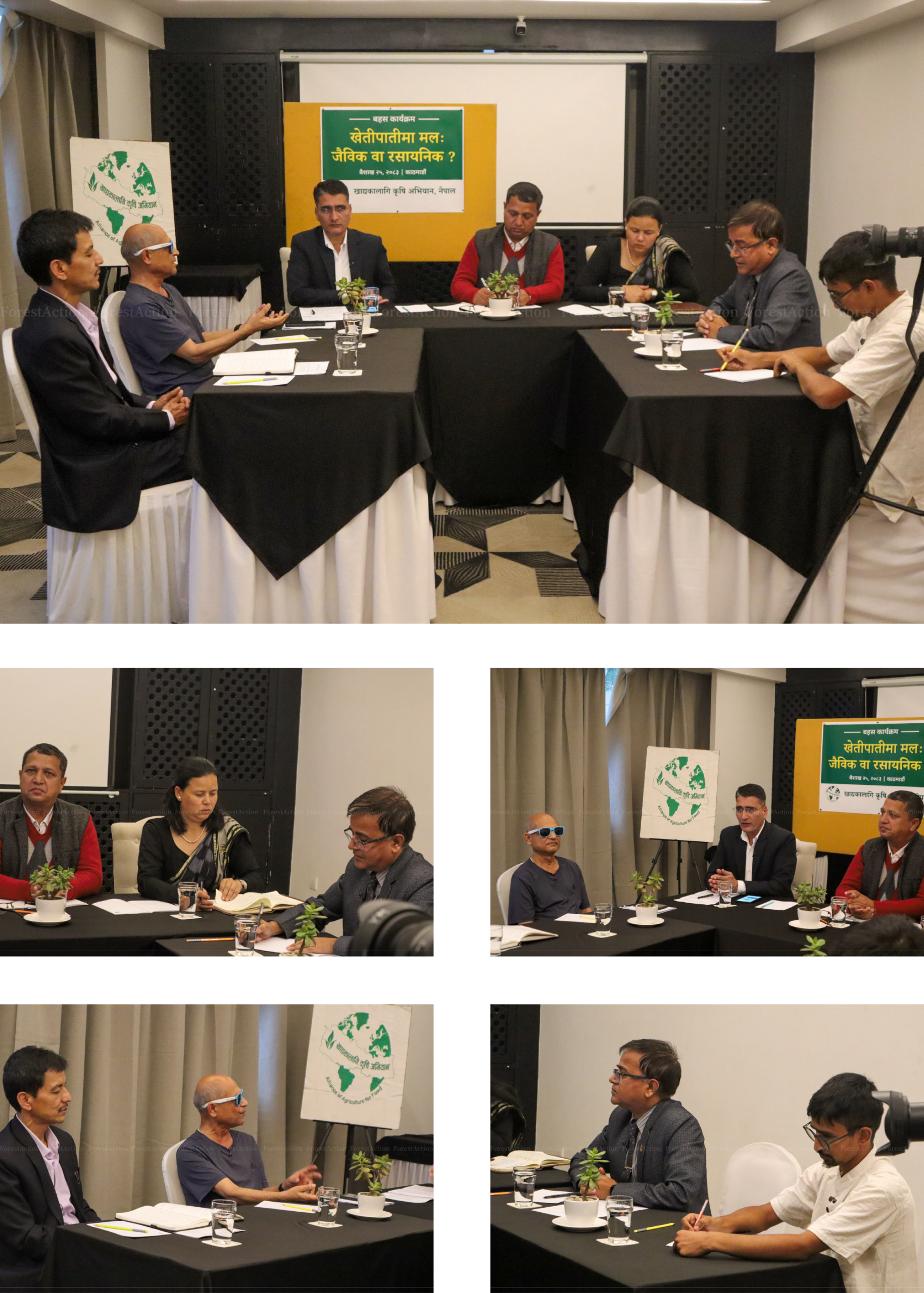
On May 8, 2026, ForestAction Nepal, serving as the secretariat of the Alliance of Agriculture for Food, convened a timely and thought-provoking policy dialogue in Kathmandu titled “Fertilizers in Agriculture: Chemical or Organic?” Facilitated by prominent senior journalist Tikaram Yatri and broadcast across his media platforms, the event brought together distinguished soil experts, government officials, policy analysts, agriculture activists, and young entrepreneurs to deliberate on one of the most pressing policy questions facing Nepal’s agricultural sector today.

The crux of the discussion centered on whether Nepal’s immediate agricultural priority should lie in chemical or organic pathways, especially in light of the government of Nepal’s declared intention to establish a domestic chemical fertilizer factory. Esteemed panelists, including Dr. Ram Krishna Shrestha (Joint Secretary, Ministry of Agriculture and Livestock Development), Dr. Chandra Prasad Risal (Chief Soil Scientist), Dr. Krishna Prasad Paudel (Agriculture Expert), and Dipesh Nepal (Agroecology Practitioner), dissected the long-term ecological and financial implications of chemical dependency. Commentaries from Hon. Dr. Sujata Tamang (Member of Parliament) and Uddhav Adhikari (Coordinator of the Alliance of Agriculture for Food) further enriched the dialogue, grounding the policy debate in grassroots realities.

The deliberations highlighted a critical structural trap in modern farming: while chemical inputs like urea historically boosted short-term yields, they have created a vicious cycle where soil productivity steadily declines over time, forcing farmers to use increasingly higher doses on increasingly acidic and degraded land. Panelists reviewed Nepal’s forty-year history of fertilizer subsidies, noting how external market pressures and historical dependencies have compromised both national fiscal health and soil vitality. While acknowledging that an immediate, absolute halt to chemical inputs could trigger short-term food security shocks, the overwhelming consensus called for a systematic, future-oriented roadmap to phase down chemical reliance in favor of sustainable agroecological practices. The program concluded with a powerful call to action for the government to critically review its chemical factory plans and instead pivot toward policies that protect Nepal’s public health, soil longevity, and long-term economic sovereignty.


Press Release: Alliance of Agriculture for Food Calls for Critical Reforms to the Government’s National Commitment Document

On 22 April 2026, ForestAction Nepal, serving as the Secretariat of the Alliance of Agriculture for Food, organized a press conference in Kathmandu to formally release its comprehensive policy suggestion letter titled “Reforms to be Made in the National Commitment on the Agriculture Sector.”

The policy response follows the Government of Nepal’s publication of its National Commitment Document on 14 April 2026, which reviewed the agricultural manifestos of six major political parties and invited feedback from sector stakeholders.

Drawing on its long-standing research and advocacy work in sustainable agriculture and food systems, the Secretariat prepared and submitted a set of strategic recommendations aimed at strengthening the policy direction of Nepal’s agricultural sector. These recommendations have formally been submitted to the Office of the Prime Minister and Council of Ministers.

The initiative reflects the Alliance’s continued engagement in evidence-based policy dialogue and its commitment to promoting sustainable, resilient, and inclusive food systems in Nepal.