Strengthening forest based enterprise through policy lab

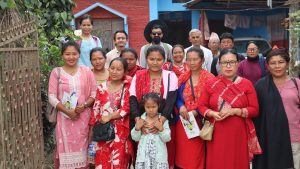
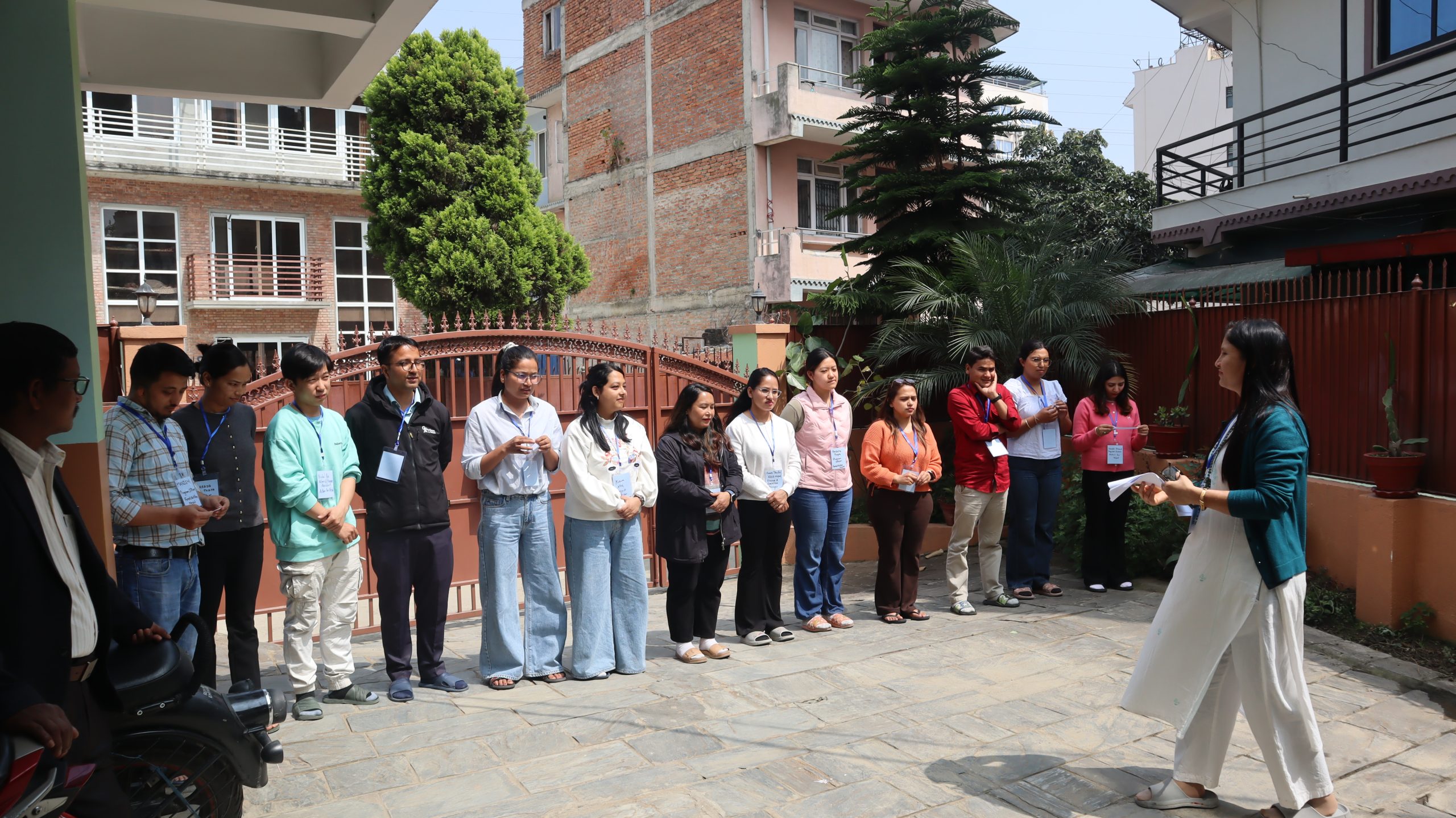
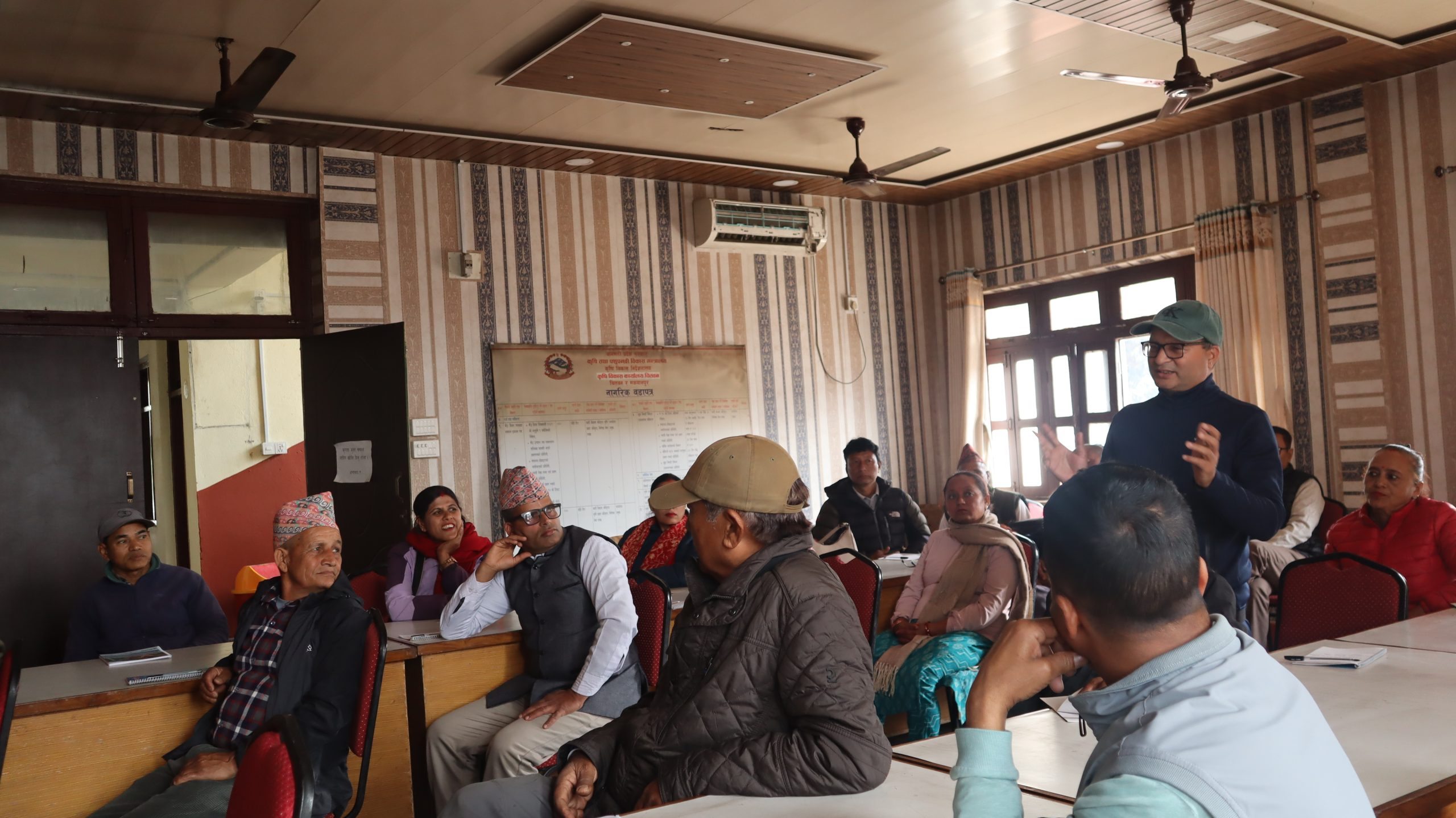
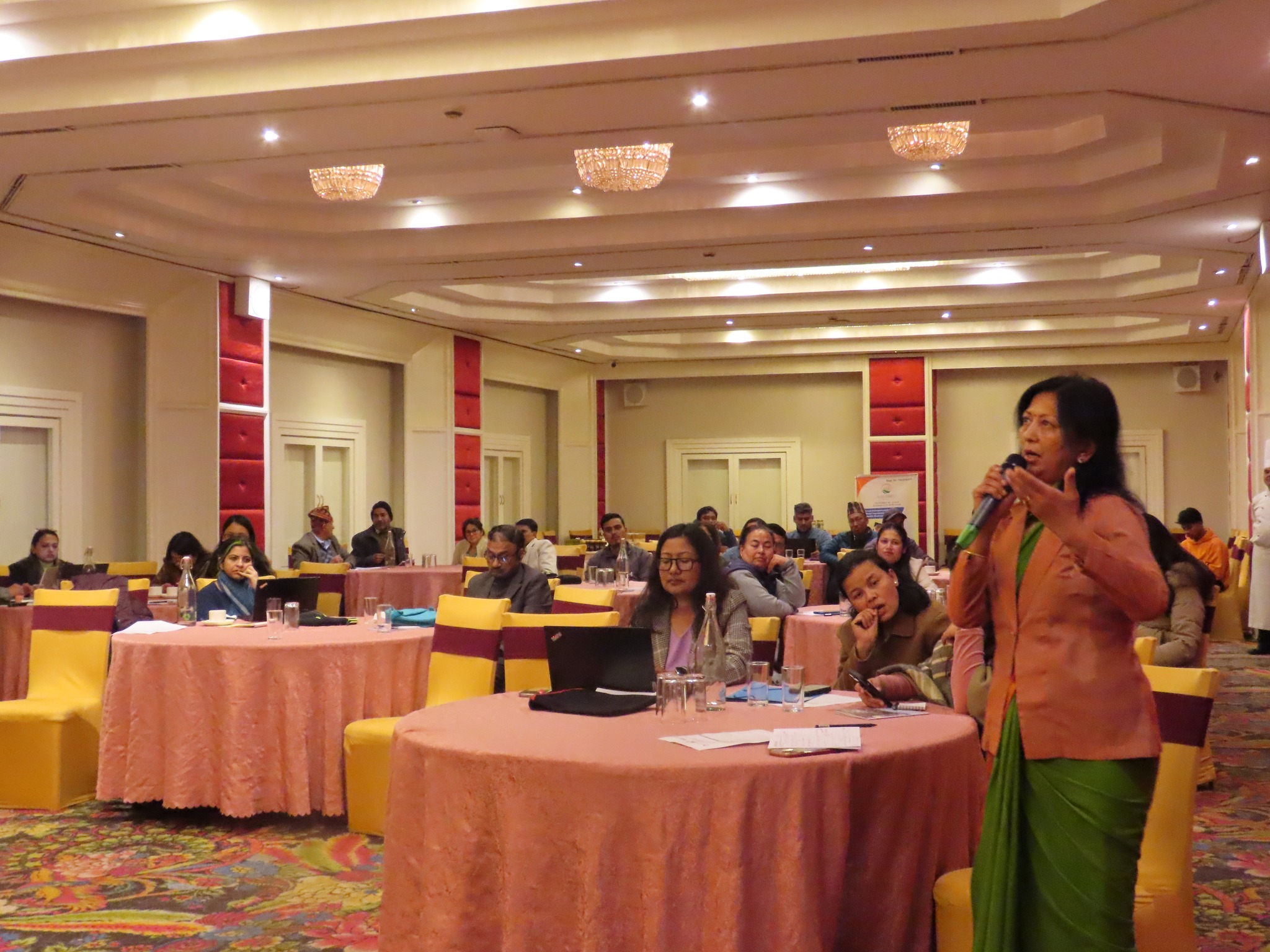
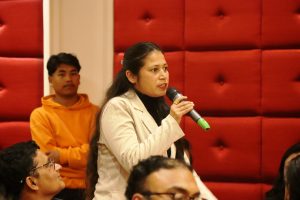
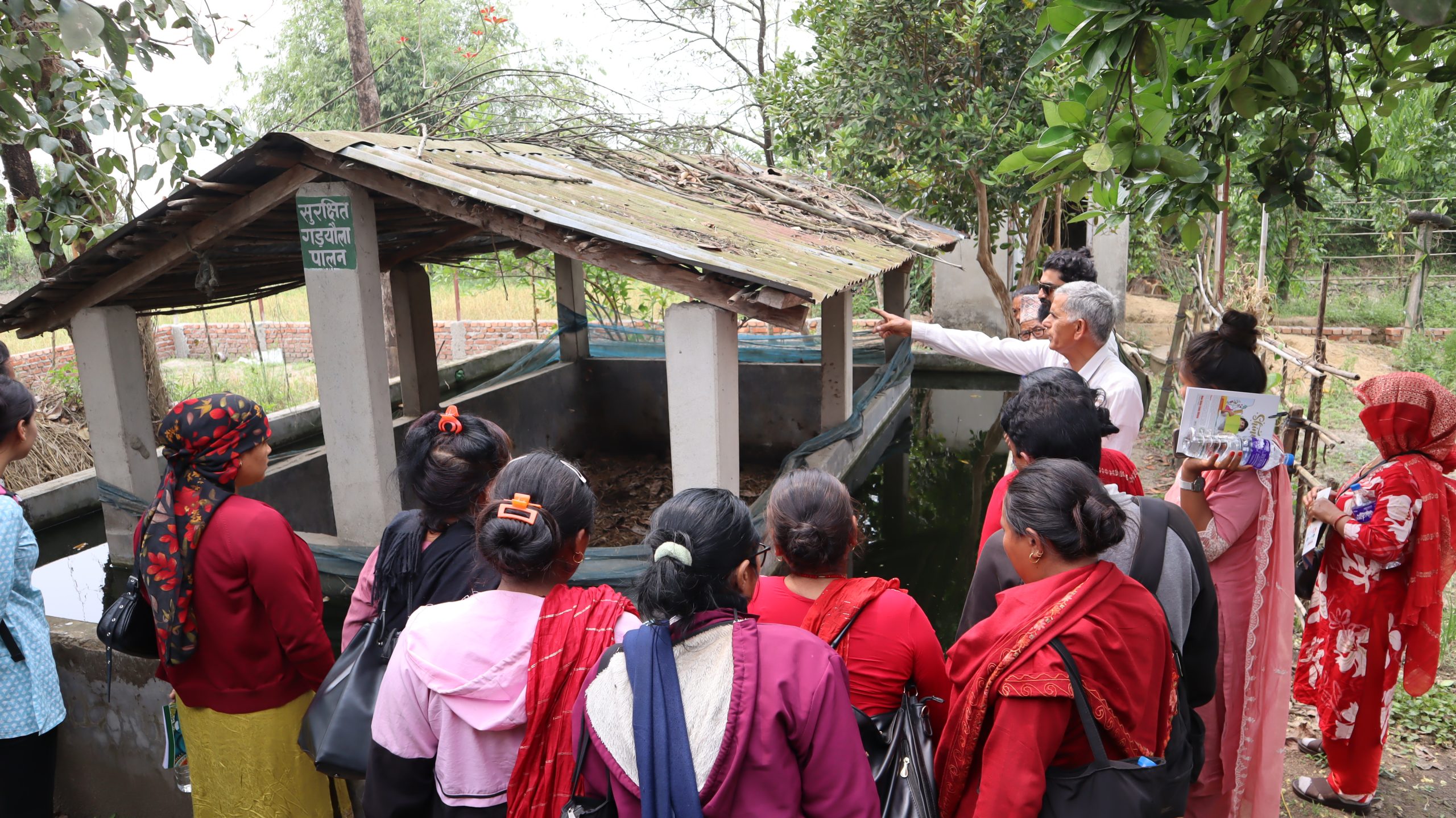
ForestAction Nepal organised a Policy Lab held on 30 Nov 2025 in Bhalubang, Dang, bringing together participants from the stakeholders’ field visit, the Provincial Ministry of Forests and Environment, Lumbini Province, the Provincial Forest Directorate, Lumbini Province, Divisional Forest Officers of Dang, Gautam Buddha, Deukhuri and Pyuthan, forest-based entrepreneurs, and representatives of FECOFUN at the provincial level. The Policy Lab provided a structured space for grounded dialogue on the practical challenges faced by forest-based enterprises and the policy and institutional conditions shaping their growth. Building on field-level observations and practitioner experiences, participants examined regulatory bottlenecks, enterprise establishment processes, and opportunities for improving coordination between communities, government agencies, and the private sector. The discussions emphasised the value of learning from practice to inform adaptive policies that can better support enterprise development and sustainable forest management in the province.

Exploring Nepal’s timber economy through field visit and Ban Chautari

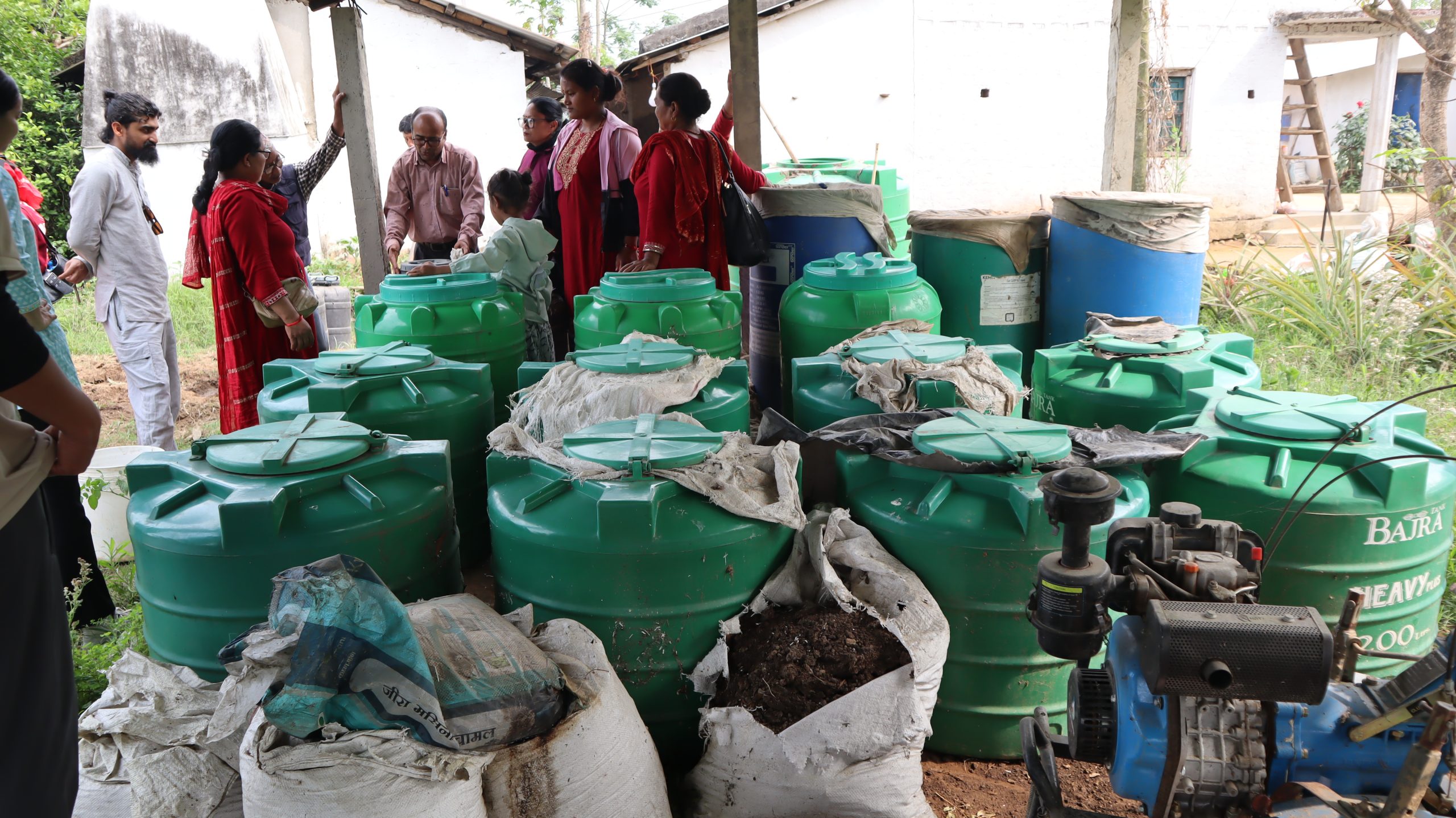
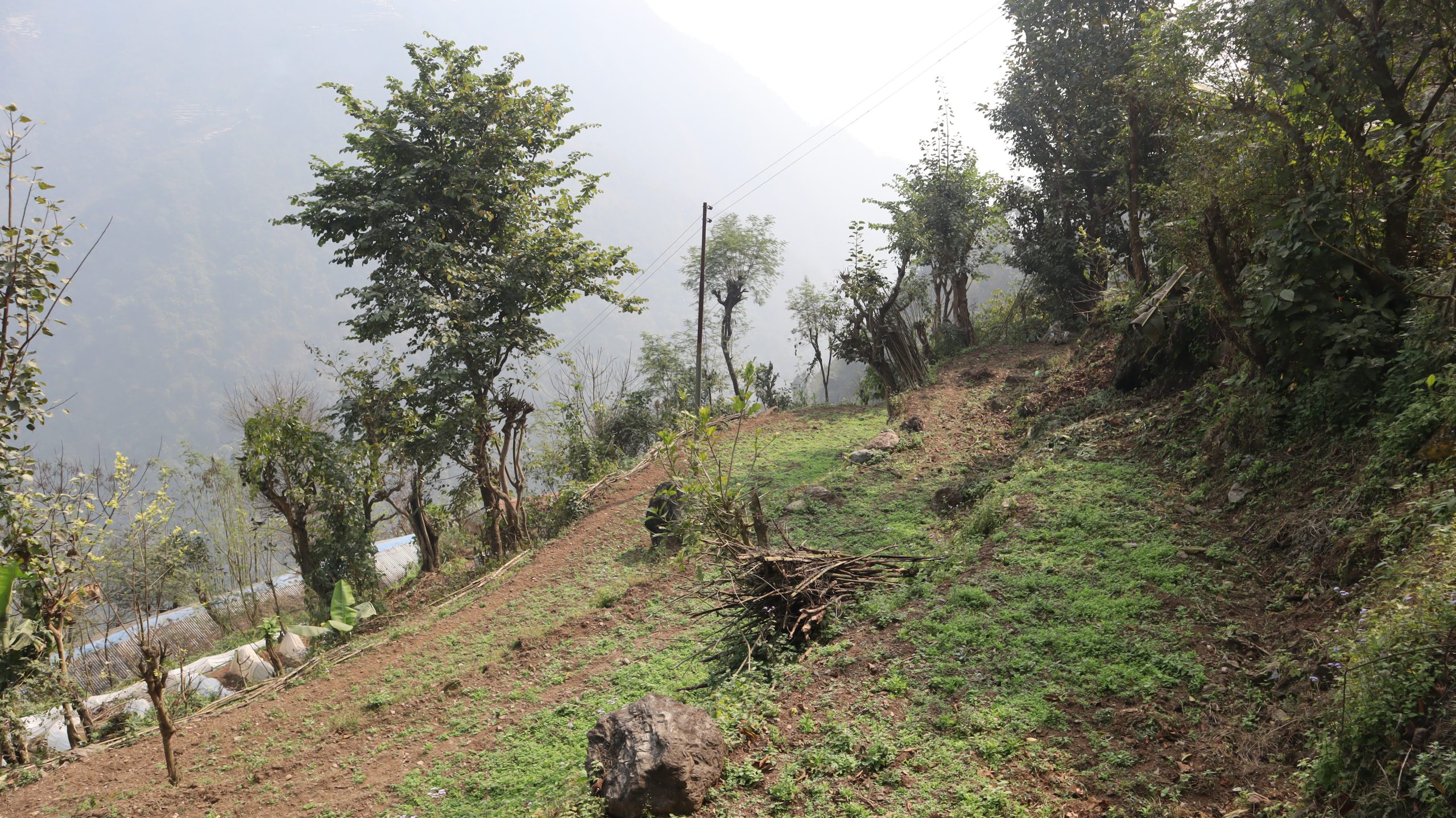
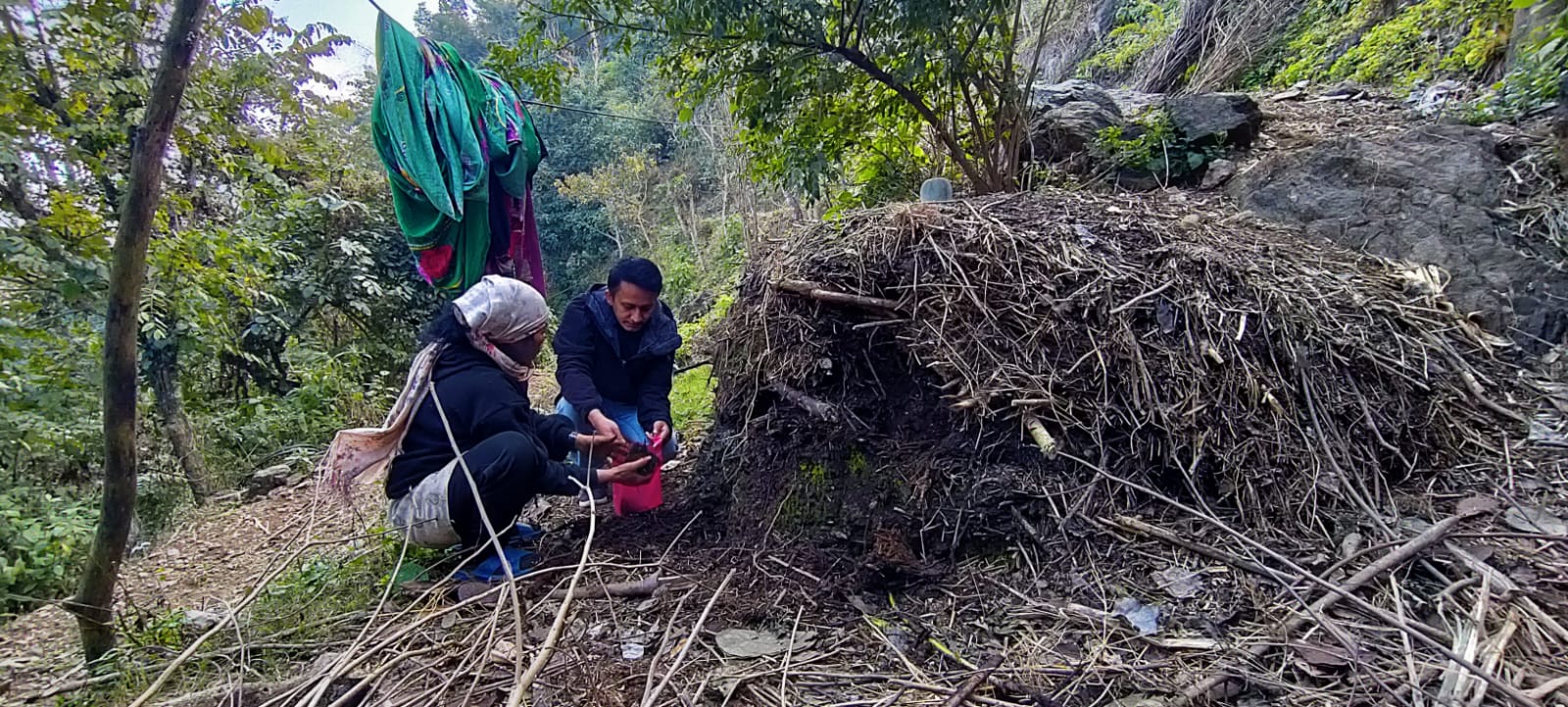
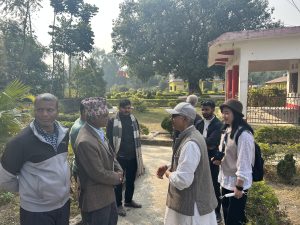
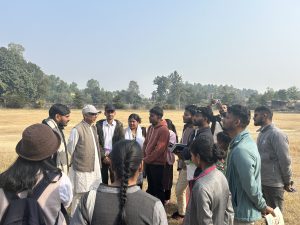
With an aim to deepen the understanding of challenges and opportunities pertinent to the evolving timber economy in Nepal, ForestAction Nepal organised a field visit in November for relevant stakeholders in the forestry sector. A range of forest-based enterprises in Makwanpur, Chitwan, Rupandehi, Kapilvastu, and Nawalparasi were visited.

The visit concluded with a Ban Chautari event, which brought together representatives from the Province Ministry (Bagamati) of Forests and Environment, Province Forest Directorate, research institutions, universities (TU & AFU), forestry networks including Province FECOFUN and FENFIT, civil society organisations, and Division Forest Officers from Makwanpur, Sindhuli, Marin, Rapti, and Chitwan.The dialogue focused on understanding the potential vs. actual production of Nepal’s forest resources and identifying pathways to bridge the gap for a more sustainable and productive timber economy.


Assessment of Climate Finance Opportunities for Women-Led Enterprises in Nawalpur

In the present changing context, climate finance has emerged as a crucial aspect to support mitigation and adaptation actions to address climate change. Noting this, ForestAction Nepal is currently implementing Climate Action Financing through Women and Social Enterprise (CAFIN) project, an International Development Research Centre (IDRC) funded initiative through Climate Policy Initiative (CPI). As a part of this project, the team visited women led enterprises of Gaidakot and Devachuli Rural Municipalities of Nawalpur district from 12th November till 15th November.


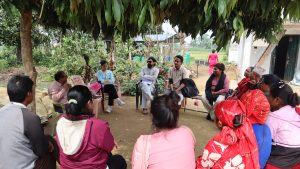
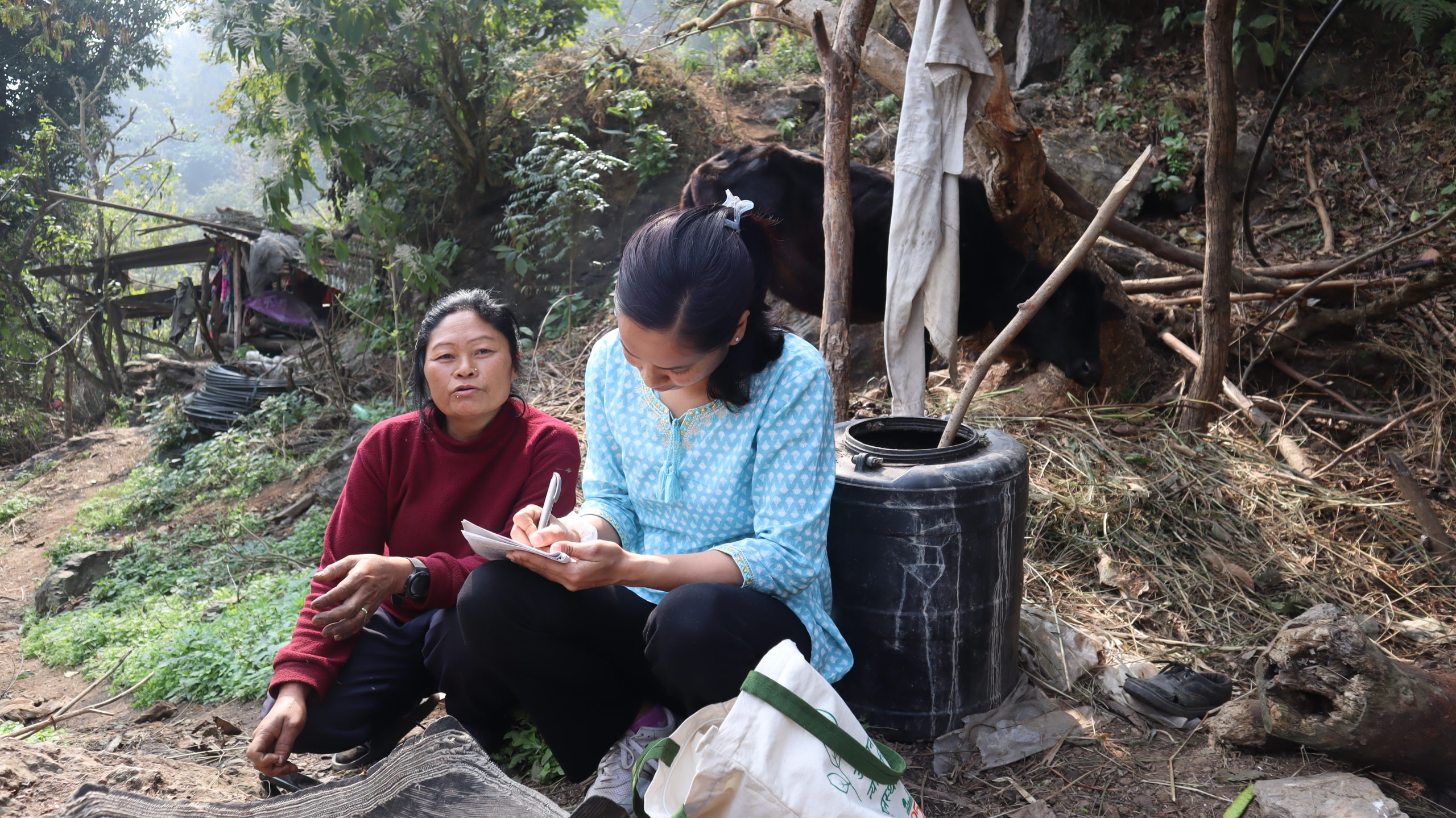
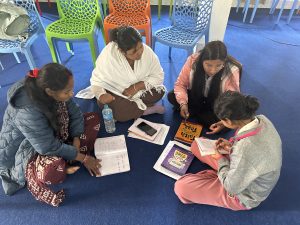
The team had visited these enterprises three years after their establishment to observe their sustainability and explore challenges and opportunities in terms of integrating climate financing to support their present and future interventions. Altogether eight enterprises of Duna Tapari, Thakal, Bamboo, Triphala, etc were visited; four in Gaidakot and four in Devachuli Rural Municipalities. Focused group discussions and interviews were conducted with women entrepreneurs to gain insights of their productivity, motivation, finance along with issues and future pathways for the enterprises. Similarly, meetings were held with the local government stakeholders (mayors, ward chairpersons) of the municipalities to discuss broader market environment, existing constraints, and potential strategies to expand the reach and visibility of enterprise products to wider audiences. FAN team also facilitated discussion with financial institutions (banks, cooperatives) to explore their knowledge in regards to climate change and financing, and to examine their policies and potential roles in supporting and sustaining women-led enterprises.

Australian Awards fellowship on strengthening capacity to respond to climate-induced forest fires in Nepal

Australian Himalayan Foundation (AHF) partnered with ForestAction Nepal in implementing the Australian awards fellowship on strengthening capacity to respond to climate-induced forest fires in Nepal, funded by the Australian Department of Foreign Affairs and Trade (DFAT). The month-long (2 Oct 2025 to 2 Nov 2025) fellowship enabled participants from Nepal, including ForestAction Nepal researchers, Madan Bashyal and Aayush Gautam, to engage in technical workshops, field visits, and expert exchanges in Australia, gaining insights into scientific fire management, early warning systems, community-based preparedness, and integrated fire management. The collaboration strengthened institutional linkages between Australian and Nepalese governmental, non-governmental and civil organisations and generated practical knowledge that can be adapted to Nepal’s context to enhance forest fire preparedness, climate resilience, and sustainable forest management.


Commencement of preliminary stakeholder discussion with the University of Notre Dame.

A week-long joint study undertaken by the University of Notre Dame, USA, in collaboration with ForestAction Nepal, focusing on the stocktaking of CGIAR-supported agricultural innovations in Nepal, was formally commenced in Kathmandu.

The study was initiated with a series of preliminary stakeholder discussions involving key actors from research institutions and development organisations such as IWMI, IRRI and CIMMYT Nepal. The discussions was led by Research Fellow Dr. Nabin Pardan from the University of Notre Dame, who facilitated dialogue and interaction among stakeholders.

Joint Celebration of World Food Day and International Rural Women’s Day

On the occasion of the 45th World Food Day and the 18th International Rural Women’s Day, a special dialogue, targeting youth, rural women farmers and policymakers, was conducted on 15th October 2025, at the premises of the Department of Agriculture, Hariharbhawan, Lalitpur. The event was organised by ForestAction Nepal, the secretariat of the Alliance of Agriculture for Food (AAF), in collaboration with AAF members and the 45th World Food Day Committee, Government of Nepal.

Held under the theme “Hands in Hand for better foods and a better future”, the program witnessed the participation of around 200 attendees, including Secretaries, Joint Secretaries, Deputy Secretaries of the Ministry of Agriculture, the Director General, Deputy Director Generals, Officers and other staff of the Department of Agriculture, the Department of Livestock Services, the Agriculture Information and Training center and heads and representatives of various government bodies, Agricultural Development Officers from local levels,  representatives of I/NGOs, civil society groups, AAF members,  rural women farmers, representatives from agricultural cooperatives and farmers’ groups, agri-entrepreneurs, young farmers, students, professors, media persons/journalists, and other stakeholders.

The program was inaugurated with a welcome speech from Ms. Anita Basnet, Vice President of the National Farmers Group Federation (NFGF), and was chaired by Mr. Uddhav Adhikari, Coordinator of the Alliance of Agriculture for Food. The Chief Guest of the event was Dr. Govinda Prasad Sharma, Secretary at the Ministry of Agriculture and Livestock Development.

The program was conducted in two sessions. The first session, focused on the theme “Roadmap of Nepalese Agriculture”, featuring a presentation and an interactive discussion. Mr. Uddhav Adhikari, Coordinator of the AAF, presented an overview of current agricultural issues, future pathways, and strategies for sustainable agricultural development. Following his presentation, Mr. Thakur Bhandari, Chairperson of the Federation of Community Forestry Users Nepal (FECOFUN); Mr. Prayas Adhikari, a climate activist; Dr. Ram Krishna Shrestha, Joint Secretary at the Ministry of Agriculture and Livestock Development; and Ms. Rita Bastakoti, a lead women farmer, shared their perspectives as commentators, highlighting interlinkages among forest, climate, and agricultural development, and the crucial role of women in agriculture. The session concluded with remarks from Mr. Prakash Sanjel, Director General of the Department of Agriculture, who moderated and summarised the key discussion points and outcomes of the session.
The second session featured a panel discussion on the theme “Youth Engagement in Agriculture.” Panelists included Mr. Gaurav Neupane, Agricultural Development Officer of Khairahani Municipality, Chitwan; Ms. Nima Yangchen Hyolmo, a woman Agri-entrepreneur; Ms. Sarita Tharu, an agricultural journalist; and Mr. Dipesh Nepal, a Gen-Z farmer. The session was moderated by educator Mr. Tika Bhattarai.

The panelists shared their experiences, insights, and the challenges faced by agricultural technicians in government institutions, as well as by field practitioners and farmers. They also discussed practical solutions to recurring issues, highlighted social perceptions regarding youth involvement in agriculture, and explored the scope of natural farming. In addition, the conversation covered market opportunities and challenges, along with strategies to engage more youth in the agricultural sector.

Following the panel discussion, Dr. Govinda Prasad Sharma, Secretary of the Ministry of Agriculture and Livestock Development, delivered his remarks, emphasising the vital role of youth in transforming the food system and highlighting the government’s ongoing efforts to address their concerns. Mr. Lyam Darjee, Chairperson of the National Land Rights Forum, concluded the event by delivering a vote of thanks to all participants.

Alongside the presentations and discussions, various exhibition stalls were displayed within the venue premises, showcasing local and indigenous seeds collected from across the country, as well as art and crafts related to the food system, alternative agricultural technologies, and informative posters, including 3D models of farming systems.

At the end of the event, guests were served local cuisine to promote indigenous food culture and celebrate the country’s rich diversity.


Walking Training on Agro-ecology 2025: Capacity building through observation, learning and reflecting

With the aim of fostering an understanding of sustainable farming among the younger generation ForestAction Nepal, a secretariat of Alliance of Agriculture for Food (AAF) organised a Walking Training to strengthen capacity. As we believe that theoretical and traditional classroom-based knowledge alone is not sufficient to truly understand agriculture. Therefore, three years ago, we adopted a transformative approach through this walking training, where participants learn directly by observing and engaging with farmers’ practical knowledge in the field.
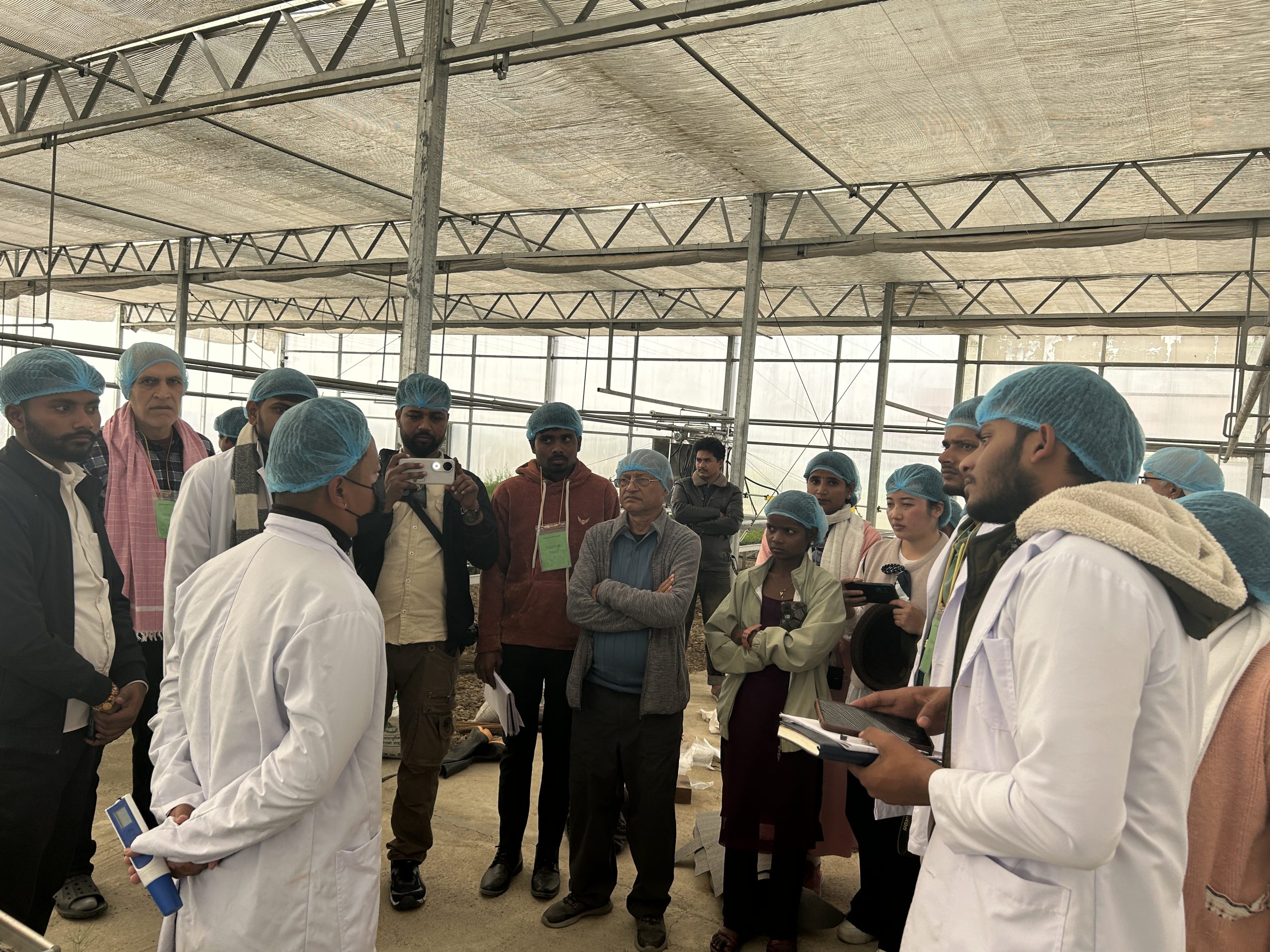
In total, 16 participants, including the organizing team, attended the training. Most of the participants were young graduates in agriculture, while some were still pursuing their studies, and a few came from different academic backgrounds.

This year, a five-day walking training was scheduled from 8–12 September 2025. However, it had to be cancelled after the second day due to nationwide protests led by “Gen Z” across Nepal. Despite this, we successfully completed the first two days of the training.

The training began with a brief introductory session at Lamatar, the starting point of the walking route, where participants were oriented about the purpose of the training. The group discussion provided a platform for participants to explore and highlight contemporary issues in food and agriculture, raise key questions, and share their curiosities about the subject. The discussion revealed how modern farming has become more harmful over time. Our food often contains chemicals that threaten both human health, leading to diseases like cancer, and the environment. To reinforce this message, the participants watched the “Satyamev Jayate” episode on toxic food, which helped them better understand the urgency of transitioning toward natural and sustainable farming practices.

Following the orientation, the journey started from Lamatar to Lakuribhanjyang on the first day. Along the way, participants observed the surrounding forests and discussed how forests are closely connected to agriculture, recognizing that traditional farming practices often emerge from lessons learned through the forest.

On the second day, the walk continue passing from small village bhimsendada way to  Kushadevi, Kavrepalanchok. During the journey, participants interacted with local farmers and learned about their cropping patterns, cultivation methods, and perspectives on sustainable farming. While industrial and modern farming was less visible in the area, participants noticed the declining involvement of young generations in agriculture. They also learned how local seeds are increasingly being replaced by hybrids, yet some villagers continue to conserve local varieties of local seed.
Social Studies for Madesh Transformation

The Alliance of Agriculture for Food (AAF), in collaboration with the Centre for Educational Policies and Practices (CEPP), Dignity Initiative (DI), and the Mahottari Network of Youth, successfully conducted the second series of the Apprenticeship Modular Course on “Social Studies for Madhesh Transformation” from 27th  to 31st  August 2025 in Dhanusha.

The training aimed to build the capacity of young people from Madhesh Province to understand and respond to pressing social challenges, particularly in the areas of social and environmental justice, while also promoting personal growth and leadership skills.

The major theme of the second series focused on environment and development. The discussions emphasized that global warming and climate change have deeply impacted the entire world, primarily due to the overexploitation of nature through human activities such as deforestation, industrialization, and the excessive reliance on fossil fuels.

We also emphasis on the theme of state and power, with sessions facilitated by Tula Narayan Saha. He encouraged participants focusing the dynamics of authority, governance, and electoral politics in Madhesh. Through interactive discussions and reflections, participants examined how political structures shape decision-making processes and impact the everyday lives of people in the region. Voices from the margins remain silenced, as those in power continue to control everything.

The sessions on world, environment, consumerism, and climate change offered participants a broader perspective by linking global environmental challenges with local realities. Discussions emphasized how even individual actions can significantly impact nature, highlighting the urgency of adopting sustainable solutions and embracing practices such as reduce, reuse, and recycle to minimize excessive consumption and better align with ecological balance.

The training also placed strong emphasis on development and the Chure region, resource exploitation, and environmental degradation in the Chure hills are closely connected to the challenges faced in Madhesh. Discussions highlighted current issues of late rainfall and the government’s announcement of deep boring as a response. Participants reflected that this approach offers only a short-term solution, while the long-term water security of the Terai depends on conserving the Chure, which plays a vital role in natural groundwater recharge.

Beyond classroom sessions, field observations provided exposure to the impacts of climate change on agriculture, such as changing rainfall patterns, soil degradation, and challenges faced by local farmers.

Alongside thematic discussions, the course also covered sessions on practical skills for career growth and guidance on CV writing, career planning, and overall professional development. Through activities centered on self-awareness, empathy, stress management, and interpersonal skills, participants were encouraged to strengthen their resilience and enhance their potential to become future  positive change-makers within their communities.

On the final day, public speaking exercises boosted participants’ confidence, perspectives, and communication skills.Overall, the course not only deepened participants’ understanding of social, environmental, and power issues in Madhesh, but also equipped them with practical skills and personal development tools.


23rd Annual General Meeting

ForestAction Nepal held its 23rd Annual General Meeting on 22nd September 2025. Among the participants presented were the government officials, board members of ForestAction Nepal, guests, partners and alumina of the organisation.

Having completed its 25 years of action and engagement in NRM and policy advocacy, ForestAction Nepal presented a short glimpse into its journey noting the various achievements, initiations, challenges the organisation faced and also shared gratitude towards its partners and collective members for their support and encouragement throughout the journey. Similarly, ForestAction Nepal also welcomed and congratulated its new chairperson, Prof. Dr. Ambika Prasad Gautam and the executive board members. The meeting was a success to bring together the organisation’s collective team and plan a better journey in sustainable management of natural resources and policy advocacy.

Forest Fire Response and Safety Protocols Training Conducted in Dolakha

A two-day training on Forest Fire Response and Safety Protocols was organised on 3rd-4th September 2025 at Golmeshwor and 5th-6th September 2025 at Salleri Community Forest User Group, Shailung rural municipality, Dolakha. The program engaged 46 participants (26 at Golmeshwor and 20 at Salleri), including community stakeholders, representatives of local government, and staff from the Division Forest Office. The primary objective was to enhance local capacity for the prevention, detection, and control of forest fires while prioritising both personal and environmental safety.

The training was facilitated by Mr. Gagan Sharma, Forest Fire Expert, MoFE Bagmati Province; Mr. Madan Bashyal, Forest Fire and Safety Expert, ForestAction Nepal; Mr. Sharada Prasad Chalise, Mock Drill Facilitator; Mr. Manish Shrestha, Program Officer, ForestAction Nepal; and Project Lead, Mr. Rahul Karki. Core sessions addressed forest fire dynamics, underlying causes, suppression methods, safety measures, and legal frameworks. Participants also took part in practical field exercises and a mock drill, designed to reinforce theoretical knowledge with real-life application. Pre- and post-training assessments were conducted to evaluate learning outcomes.

Key Reflections

Govinda Khadka, Chairperson, Golmeshwor CFUG:This training gave us the confidence to respond to wildfires as a team. The practical skills and emphasis on communication showed us how coordination can save both forests and lives.”

Ujeli Karki, Participant: The structured sessions and hands-on drills made the learning real. Practising the tools and techniques under expert guidance has changed how I understand forest fire response.”


Sharada Prasad Chalise, Mock Drill Facilitator: The commitment of the participants was inspiring. Their active involvement proved they are ready to apply these skills in real situations, which is the true measure of preparedness.”

Gagan Sharma, Forest Fire Expert, MoFE Bagmati Province: Forest fire risks are rising everywhere. Continuous training like this is not optional; it is essential. Collective action is the only way we protect our forests and communities.”

The program concluded with reflections from participants and forest officials, followed by closing remarks from the Project Lead, Mr. Rahul Karki. Participants acknowledged that the training substantially improved their knowledge and confidence in forest fire management, reaffirming the importance of continued capacity-building efforts to safeguard community forests and strengthen local resilience.

Agroforestry guidelines in the making

Since March 2025, ForestAction Nepal has been undertaking Building Agroforestry-based Adaptation Plans for Resilient Floodplains (BAGAR) project in collaboration with Heifer International Nepal in Gadhimai Municipality of Rautahat District and Marin Rural Municipality of Sindhuli district. A field visit was initiated from 2nd – 12th September 2025 to conduct FGDs, KIIs and household survey to collect necessary information for Gadhimai Municipality-level Agroforestry Guideline. FGDs were held in nine EBA (Ecosystem-based Adaptation) forums where among 126 participants, 36 women and 90 men participated. Simultaneously, 10 KIIs were conducted with the major stakeholders (5 ward chairpersons, 4 agro farmers, and a mayor), along with 61 household surveys to gather the information for the guideline.

National consultation on enhancing biodiversity data mobilisation from Nepal

Nepal, an ecologically rich landscape comprising of significantly high biodiversity, with its dramatic elevation gradient creates a mosaic of distinct ecosystem. The upswing in recent biodiversity research has improved data acquisition however, there exist a notable gap in awareness and capacity for open-access data sharing and mobilization. Thus, to acknowledge the existing challenges and opportunities, in support of Global Biodiversity
Information Facility (GBIF), led by ForestAction Nepal (FAN) in collaboration with International Centre for Integrated Mountain Development (ICIMOD), organised a two-day National Consultation workshop from 31 st August to 1 st September 2025 on “Enhancing Biodiversity Data Mobilisation” that brought together 24 experts from government agencies responsible for biodiversity conservation and management, biodiversity experts, academia and national herbaria and museums to discuss their scope, priorities and interest in sharing and mobilising biodiversity data. The workshop further emphasized on disseminating knowledge on biodiversity data mobilization and develop insights for proposal and partnerships to address targets of the Kunming Montreal Global Biodiversity Framework (KMGBF).

The consultation addressed Nepal’s biodiversity data mobilisation challenges and opportunities, highlighting the importance of collaborative, multidisciplinary methods that integrate scientific capabilities, policy frameworks, and institutional support. The event emphasized GBIF’s role in providing open-access biodiversity data platforms, while addressing ethical, legal, and technical considerations. High priority revolved around capacity building, data quality assurance, policy harmonization, and leveraging technology for sustainable biodiversity management in line with global and regional targets. Moving forward, strategic use of open access platform such as GBIF and its regional node Hindu Kush Himalayan Biodiversity Information Facility (HKHBIF) is of essence, as is exploring into potential funding such as Global Biodiversity Fund and support long term initiatives for data sharing and mobilisation.