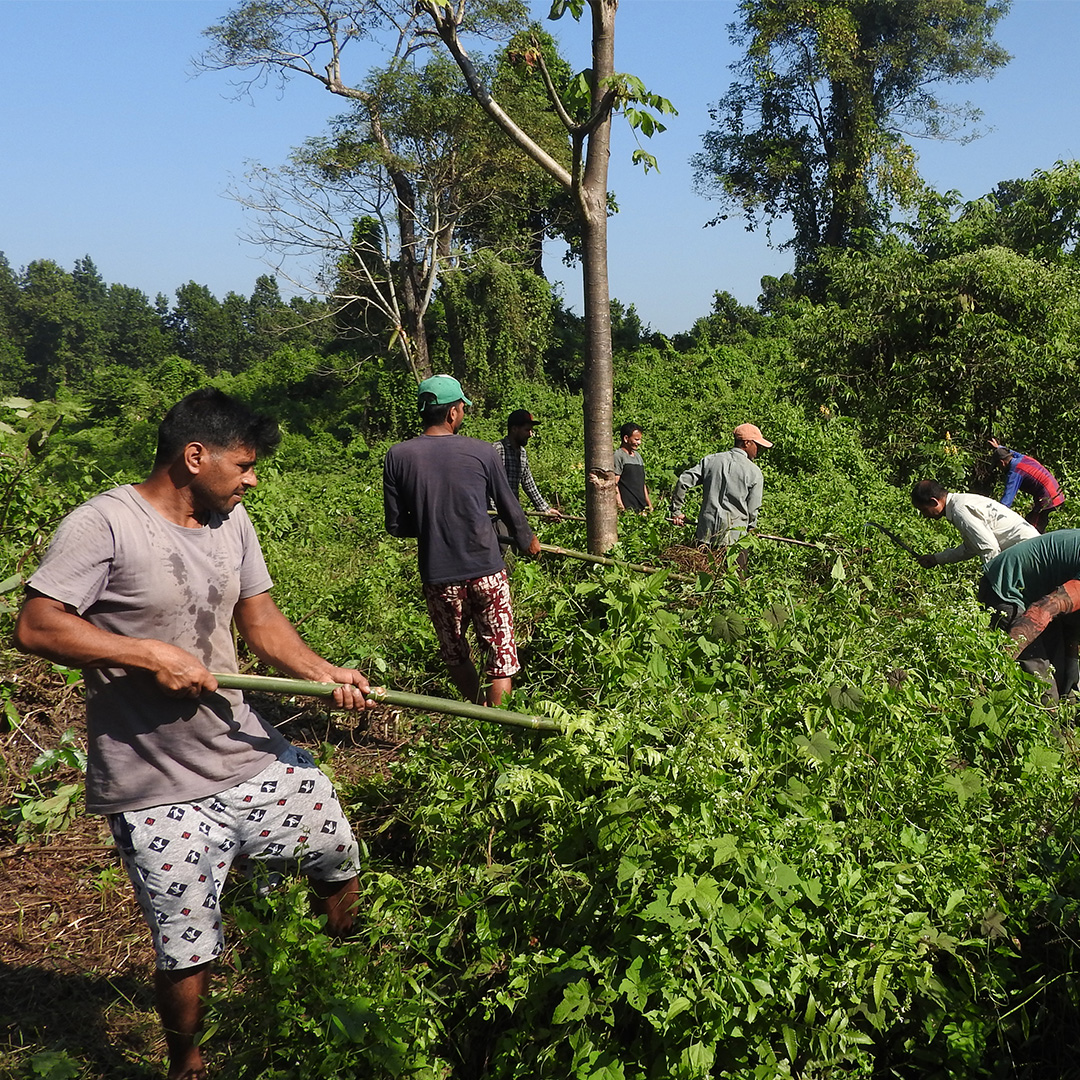
Jalthal is a biodiversity-rich forest island in South-East Nepal. It is a remnant of once contiguous lush forest popularly known as Charkoshe ban. In the recent years, forests of Jalthal have been infested with Invasive Alien Species (IAS)-particularly by Mikania-mile a minute, thus posing threat to biodiversity. In an effort to restore the degraded forests of Jalthal and promote conservation of its biodiversity, ForestAction Nepal in collaboration with the Royal Botanical Garden Edinburgh (RBGE), FECOFUN Jhapa, and community forest user groups of Jalthal, have been implementing activities targeting the removal of IAS along with supporting the livelihoods of community forest user groups.
Good progress has been made in regards to having a solid scientific foundation including documentation of key biodiversity components, identifying specific threats and their proximate and underlying causes, communicating ecological significance of the forest with local communities and government, piloting invasive species management practices, and identifying locally suitable agroforestry for forest biodiversity conservation and sustainable use of forest biological resources.
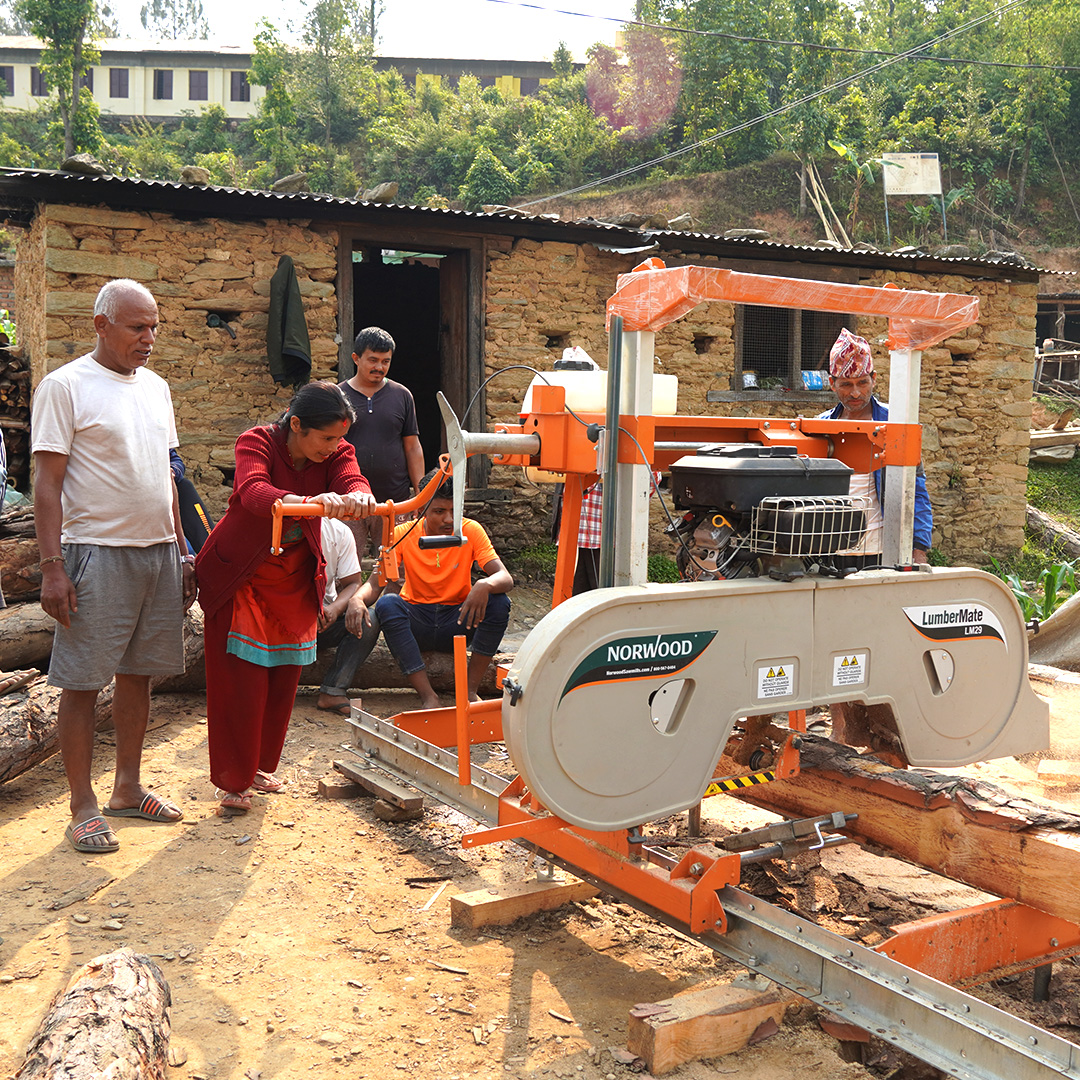
Community and private forests are the main sources of timber in rural and urban areas of Nepal. The logs sold from private and community forests are often sawn in the saw mills in nearby markets. Users’ needs to pay a bulk amount of money for sawing saw logs in addition to their full day engagement. Similarly manually sawing is very expensive and the quality of sawn timber also not upto the standard.
Considering the hardship that communities are facing, the idea of testing a portable saw mill that would provide door to door quality service for timber sawing was envisioned during the design of EnLiFT2 project. Portable sawmills are an attractive microenterprise, where farmers can produce lumber for their own use and sell the surplus or offer custom sawing for neighbors. A low up‐front investment coupled with the ability to maximize returns on timber make this type of harvest attractive from many perspectives.
The EnLiFT2 project team supported the trial of the portable sawmill purchased by the DFO Sindhupalchowk. In particular, EnLiFT2 supported the testing of sawmill to assess the technical, financial and social feasibility.
Also see the blog on portable sawmill testing
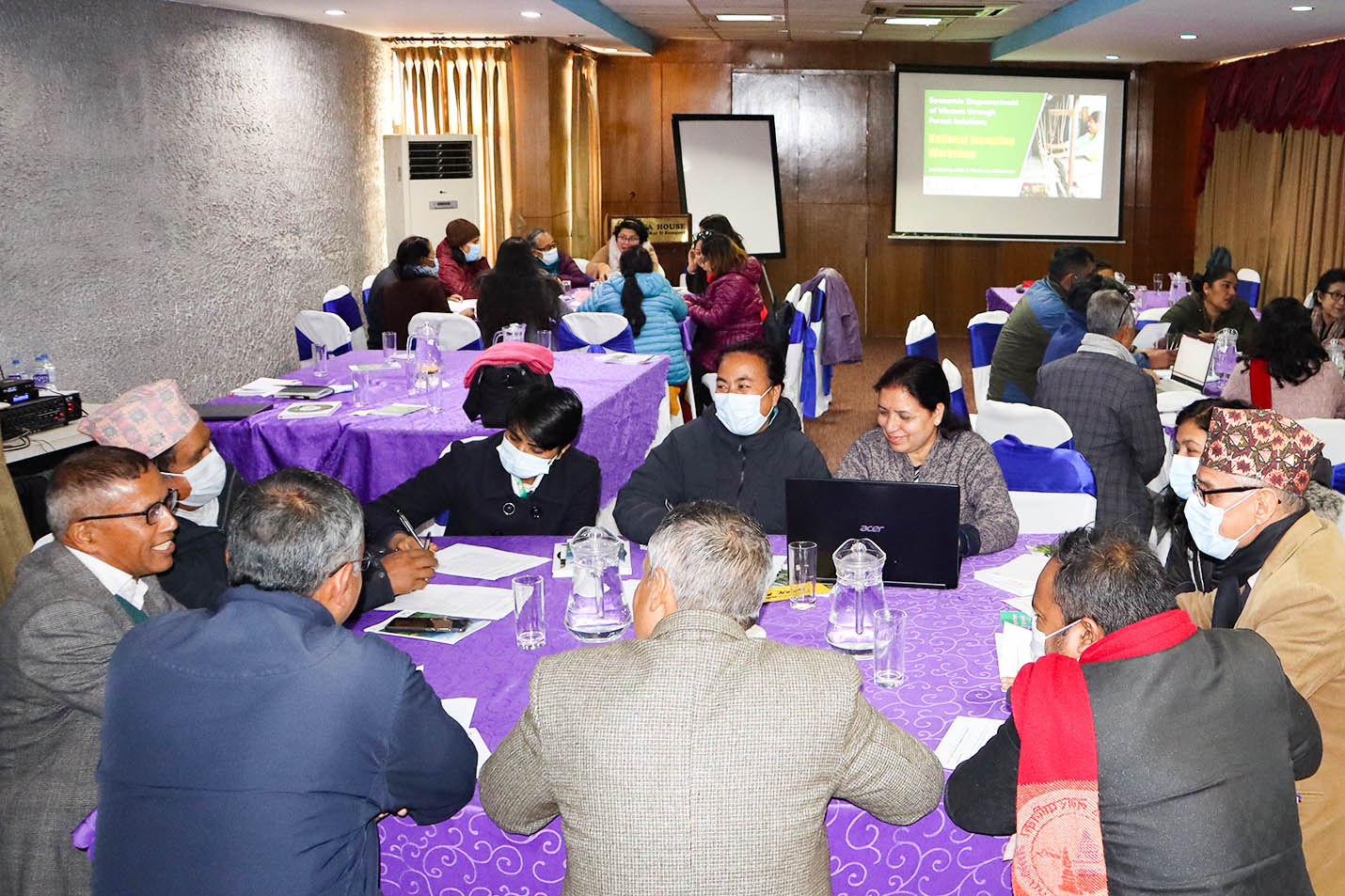
A National Inception Workshop for “Economic Empowerment of Women through Forest Solutions”- an Action Research Project funded by IDRC Canada and implemented by a consortium of ForestAction Nepal, The Himalayan Grassroots Women’s Natural Resource Management Association (HIMAWANTI), Association of Family Forest Owner’s, Nepal (AFFON) and Federation of Forest-based Industry and Trade, Nepal (FenFIT-Nepal) was held on 2nd January 2022. The workshop aimed at further refining the methodology, strengthening the research-policy linkage, and building synergy among the stakeholders.
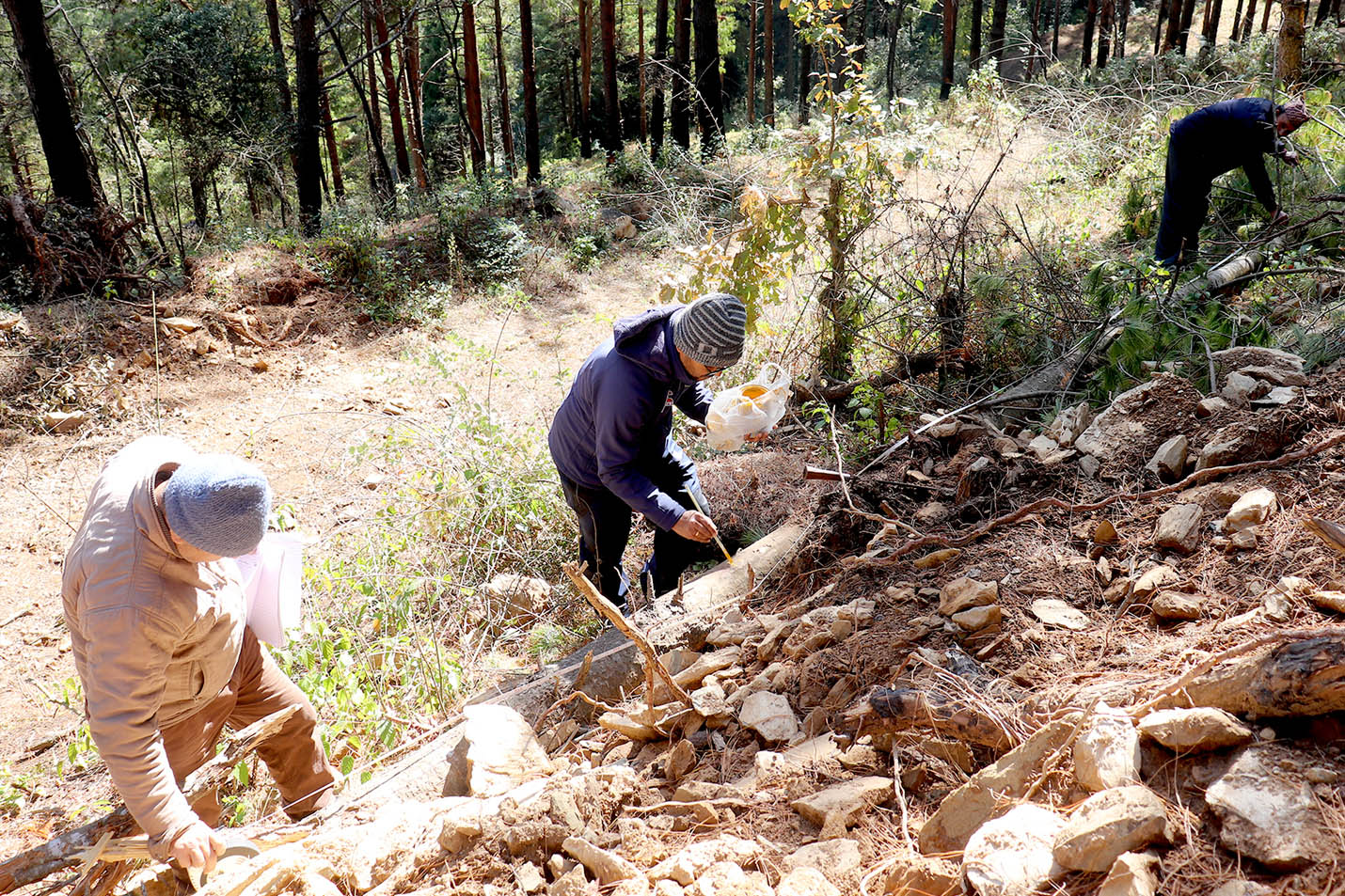
EnLiFT 2 is supporting Community Forest User Groups with timber harvesting and post-harvesting procedures, alongside government line agencies. Here, EnLiFT researchers are with Community Forest Users, taking measurements of dimensions of fallen and standing trees selected for harvesting, in the process of developing a harvesting plan in Lakuri community Forest, Chaubas, Kavre.
Photo Credit : Sarada Tiwari / Kapil Dahal
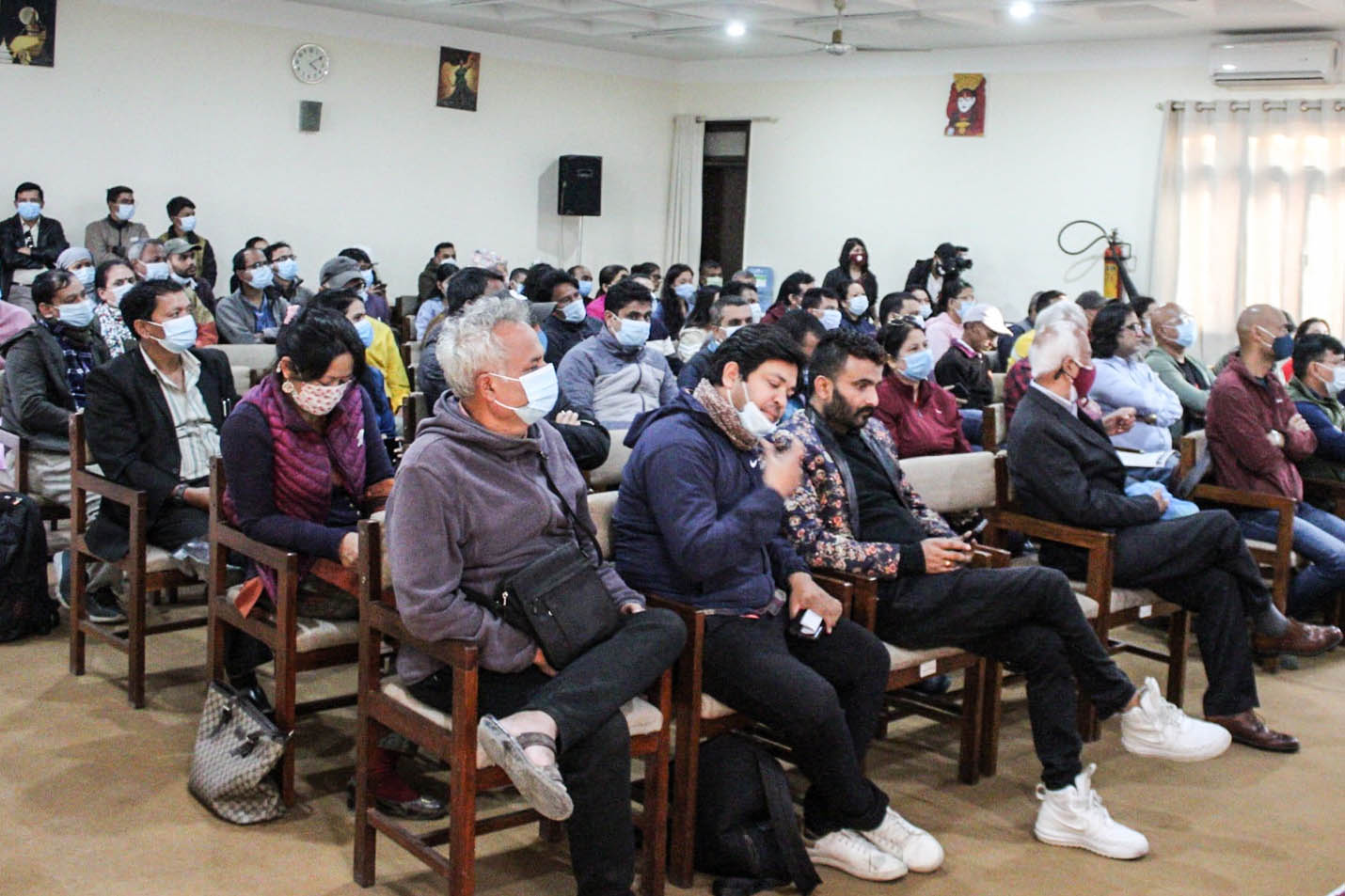
महिनाव्यापी खानका लागि खेतीपाती अभियानका कार्यक्रमहरुमा तथा समापन कार्यक्रमलाई सफल पार्नुहुने अभियान, संघ, संस्था लगाएत सहभागी सम्पुर्ण महानुभावहरुमा खाद्यका लागि कृषि अभियान कृतज्ञता सहित हार्दिक धन्यवाद व्यक्त गर्दछ । आगामी दिनमा पनि यस्तै खाना, खेतिपाती लगाएत नेपालको दिगो कृषिका सवालहरुमा हामी सबैको साझा आवाज, सहकार्य र सहभागीताको आवस्यकता रहेको छ ।