Ban Chautari on “forestry for prosperity: political economy debates”

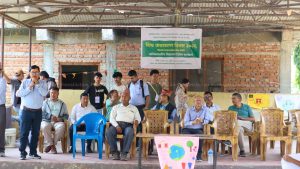
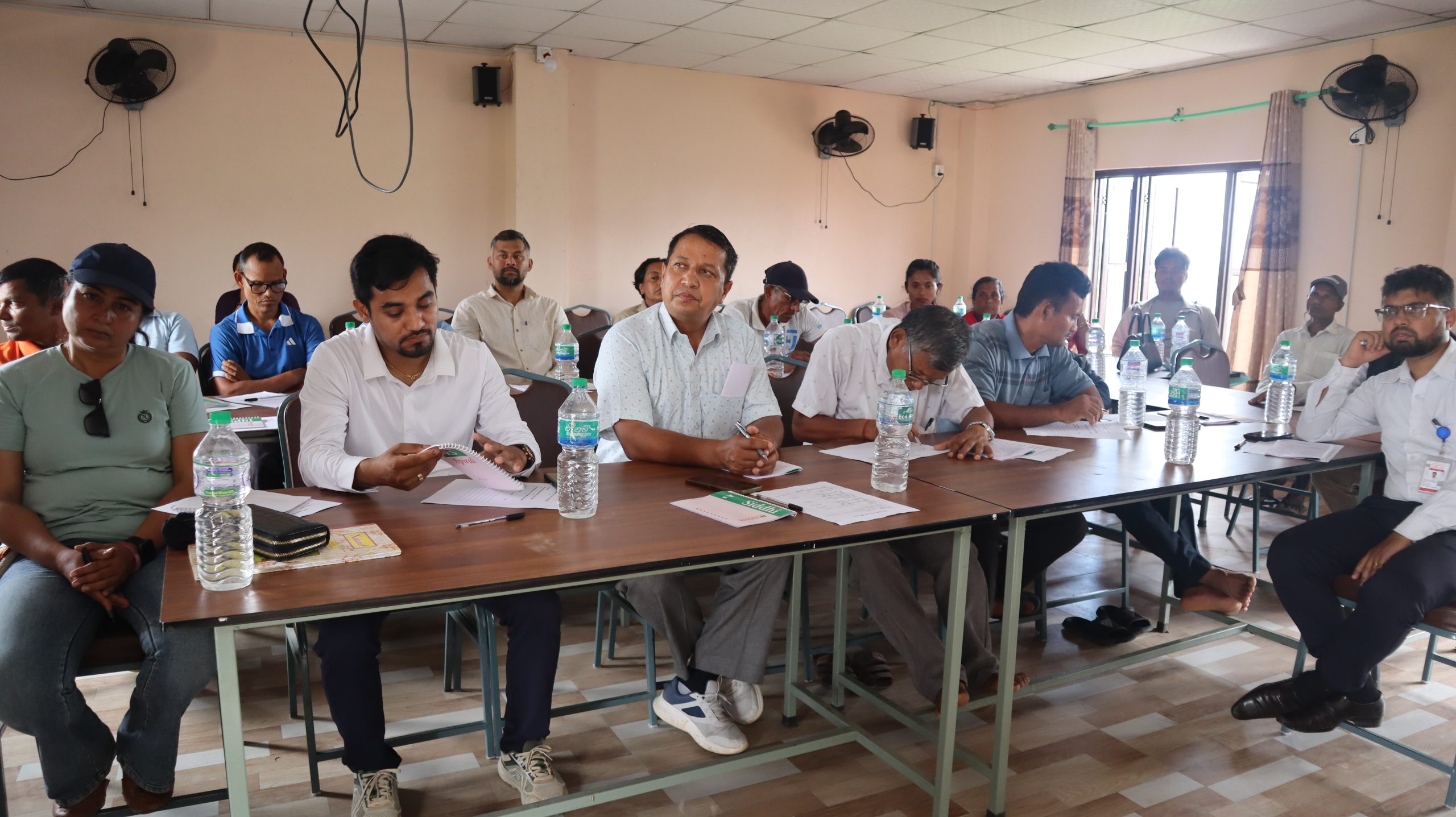
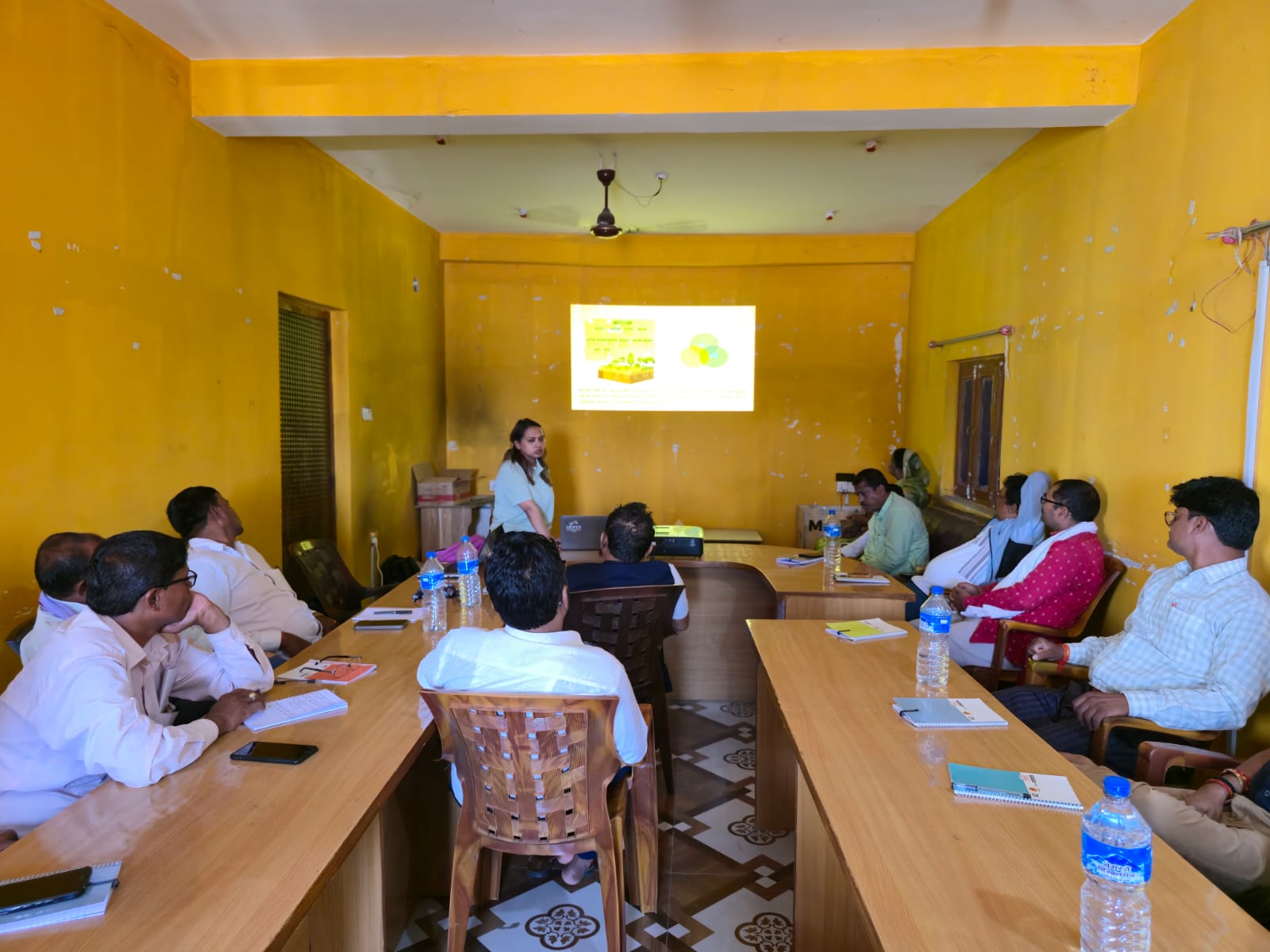
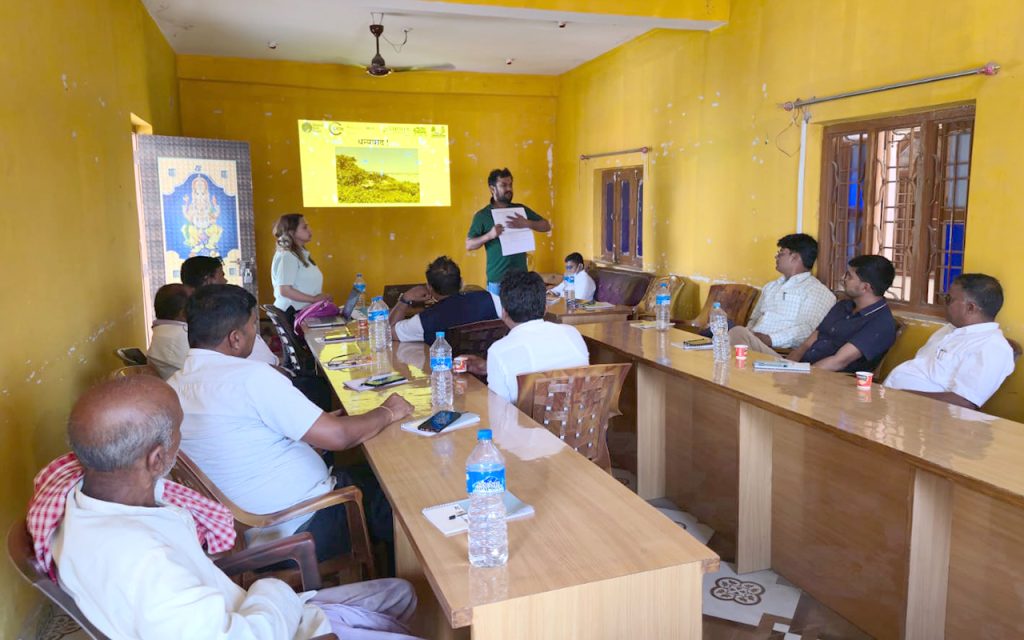
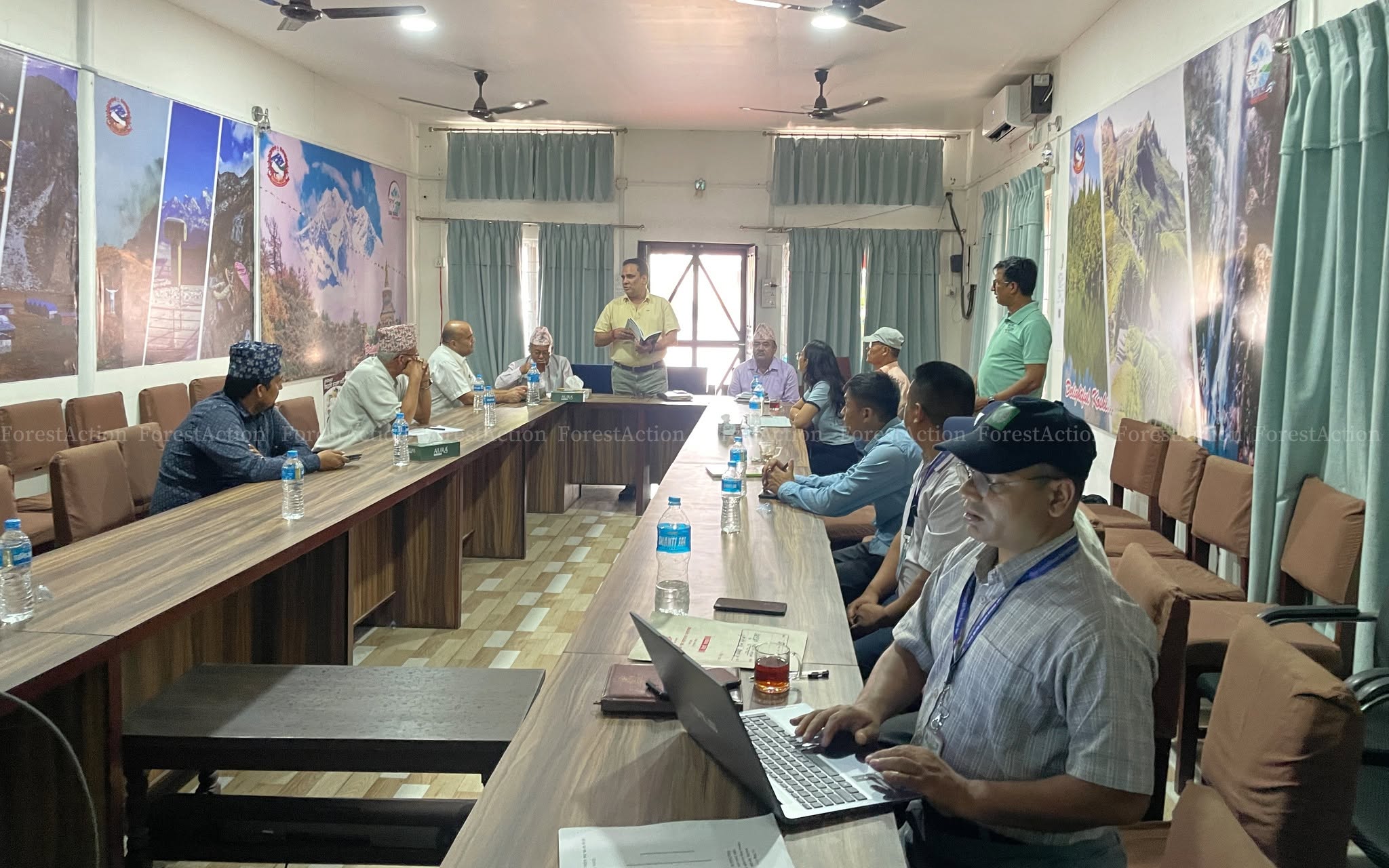
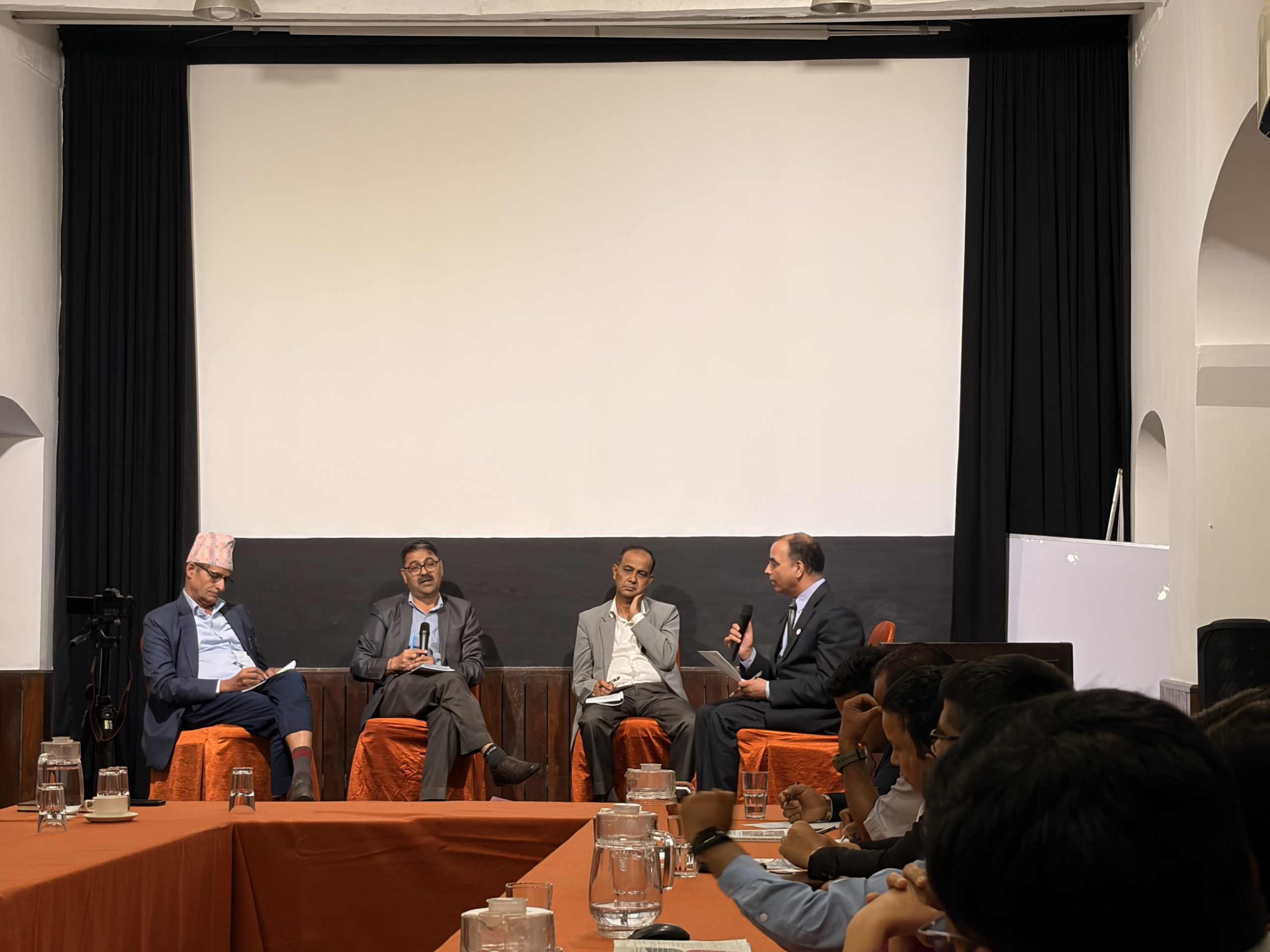
ForestAction Nepal, building on the more than 15-year legacy of Ban Chautari as a platform for policy dialogue, successfully organised a Ban Chautari titled “Forestry for Prosperity: Political Economy Debates” on Thursday, 8th January 2026. The high-level discussion, held in the presence of the Honorable Minister for the Ministry of Forest and Environment, focused on Nepal’s timber economy: its status, untapped potential, prevailing challenges, and possible pathways to bridge existing gaps.

The event brought together a diverse group of stakeholders, including representatives from the Ministry of Forest and Environment, Department of Forest and Soil Conservation, REDD Implementation Centre, Chure Terai Madhesh Conservation Board, Forest Research and Training Centre, Divisional Forest Offices, Tribhuvan University, Nepal Foresters’ Association, FECOFUN, FENFIT, AFFON, development partners, civil society organisations, local governments, entrepreneurs, and journalists.

A team of researchers from ForestAction Nepal presented an evidence-based analysis of the potential and actual production of timber and other forest products, drawing on data compiled and synthesized from 83 Divisional Forest Offices, 7 Provincial Forest Directorates, and 7 Provincial Forest Ministries across the country. The presentation highlighted the significant gap between production potential and actual output and unpacked the underlying political-economic and institutional factors contributing to this disparity.
The program featured an engaging panel discussion with panelists from the Government of Nepal, FECOFUN, FENFIT, AFFON, and Tribhuvan University reflecting on policy, governance, and market aspects of Nepal’s timber economy. To ensure wider outreach and promote evidence-based public dialogue, the discussion was telecast through national media and is scheduled to be broadcast by Yatri Media, taking the conversation beyond the venue to a broader national audience. The Honorable Minister shared reflections on ongoing policy and regulatory reforms, outlining measures adopted to reduce procedural and regulatory hurdles, improve institutional efficiency, and strengthen governance mechanisms to better realise Nepal’s forest-based economic potential.

Click here to access the video

Reflecting, Learning, and Expanding Agroecology Practices for Soil Restoration

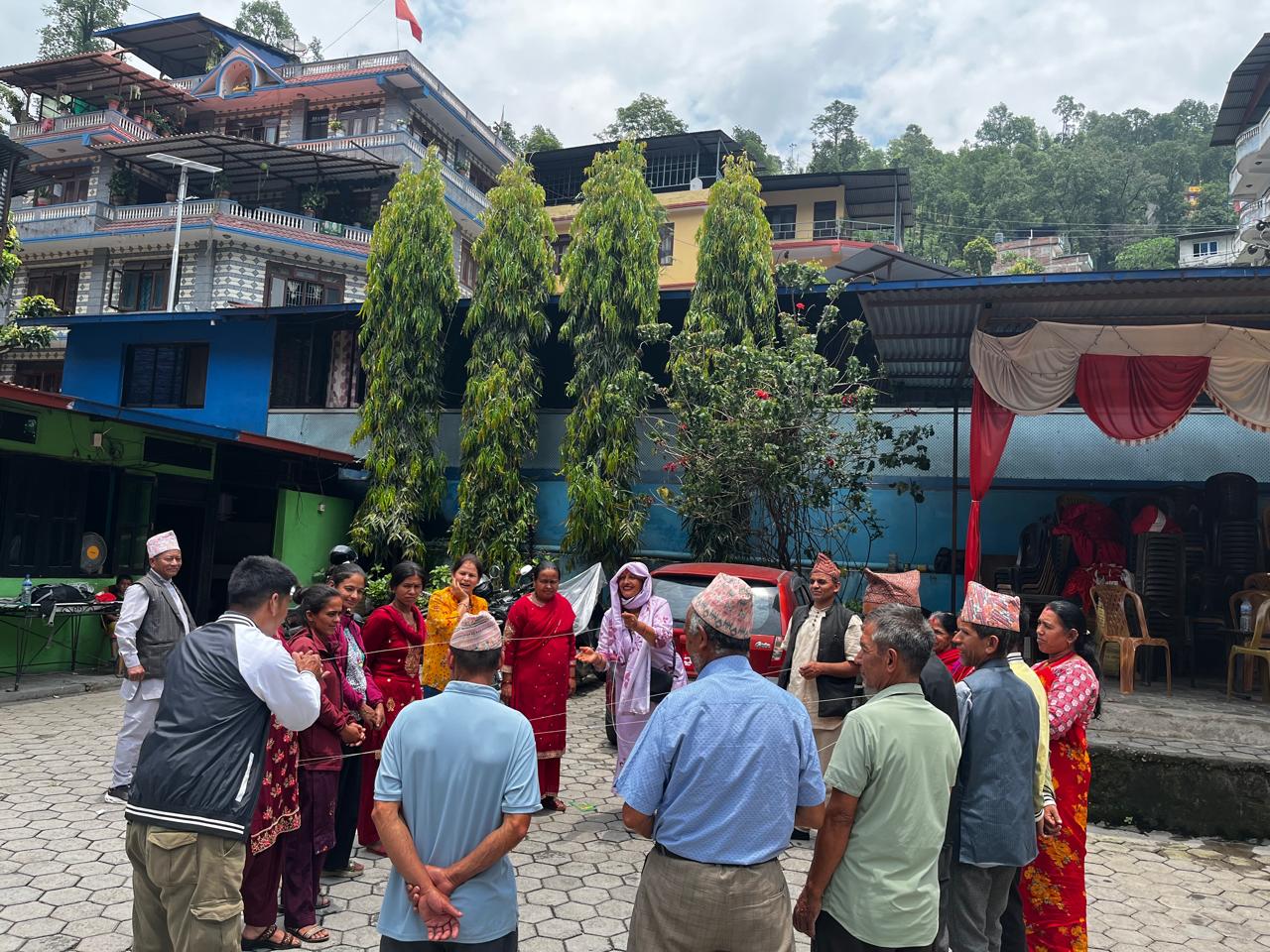
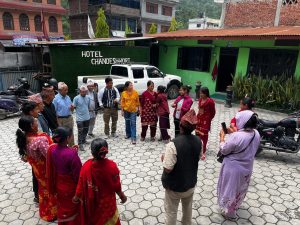
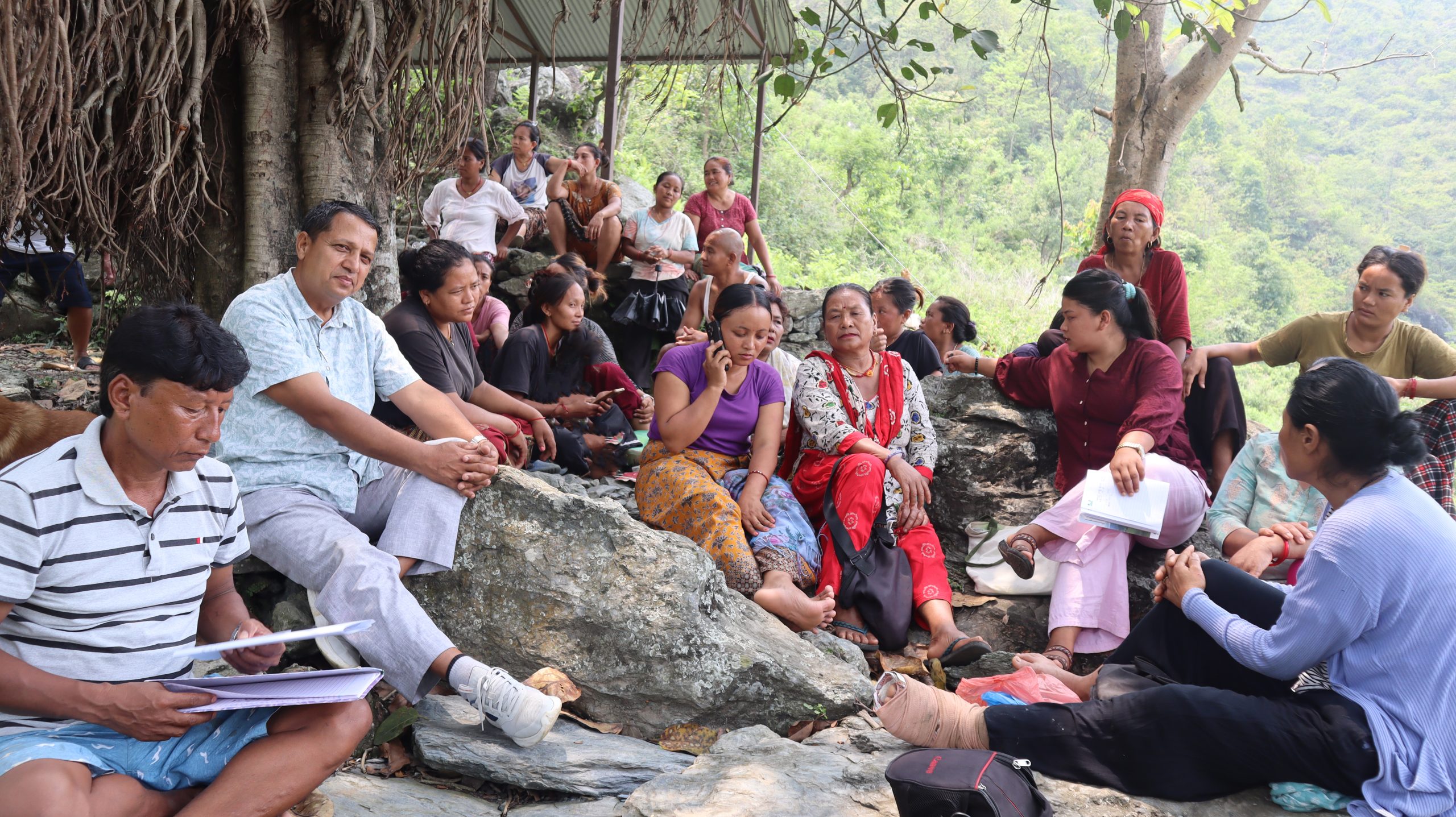
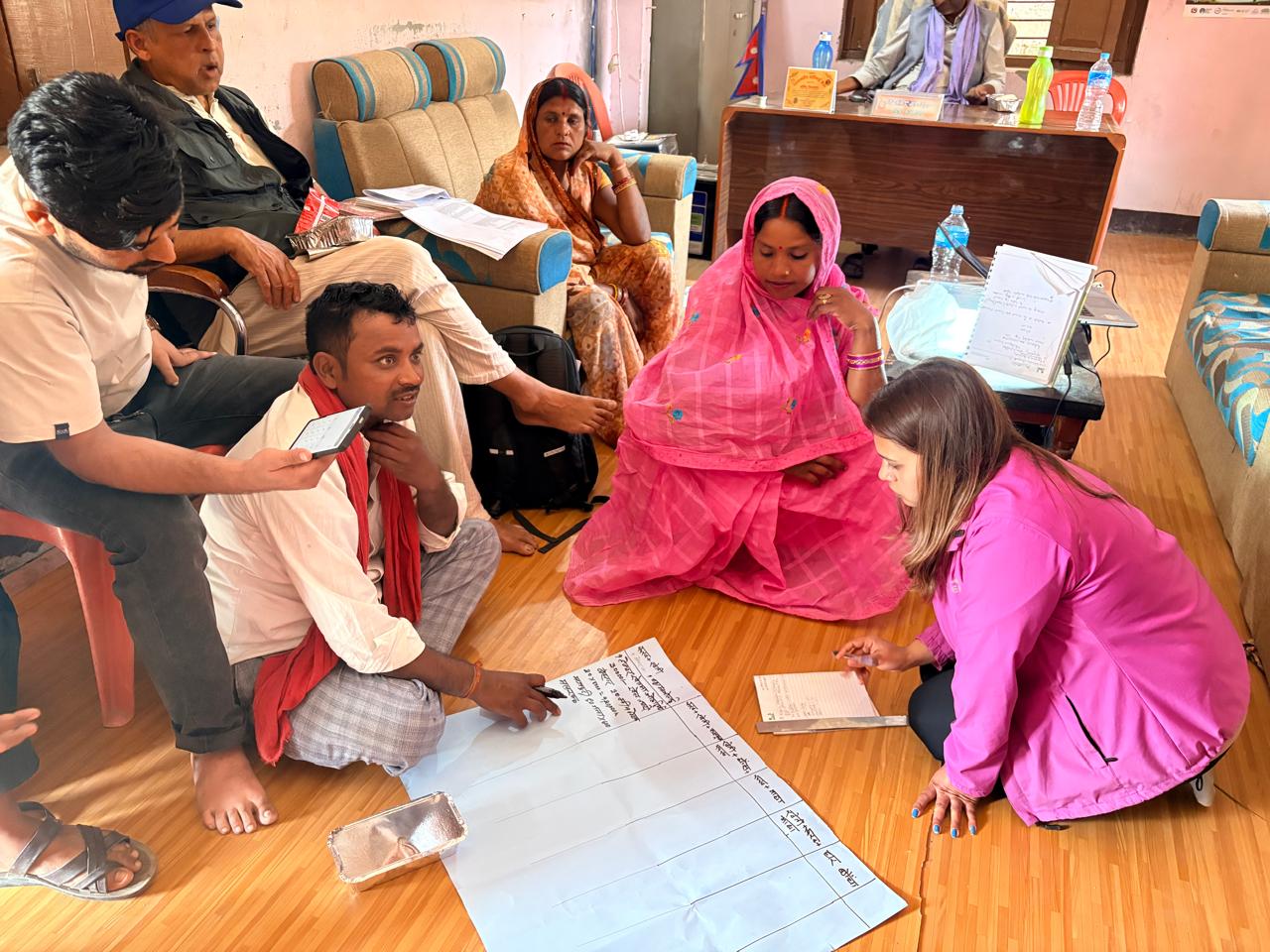
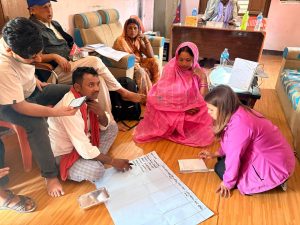
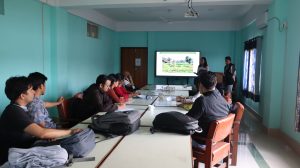
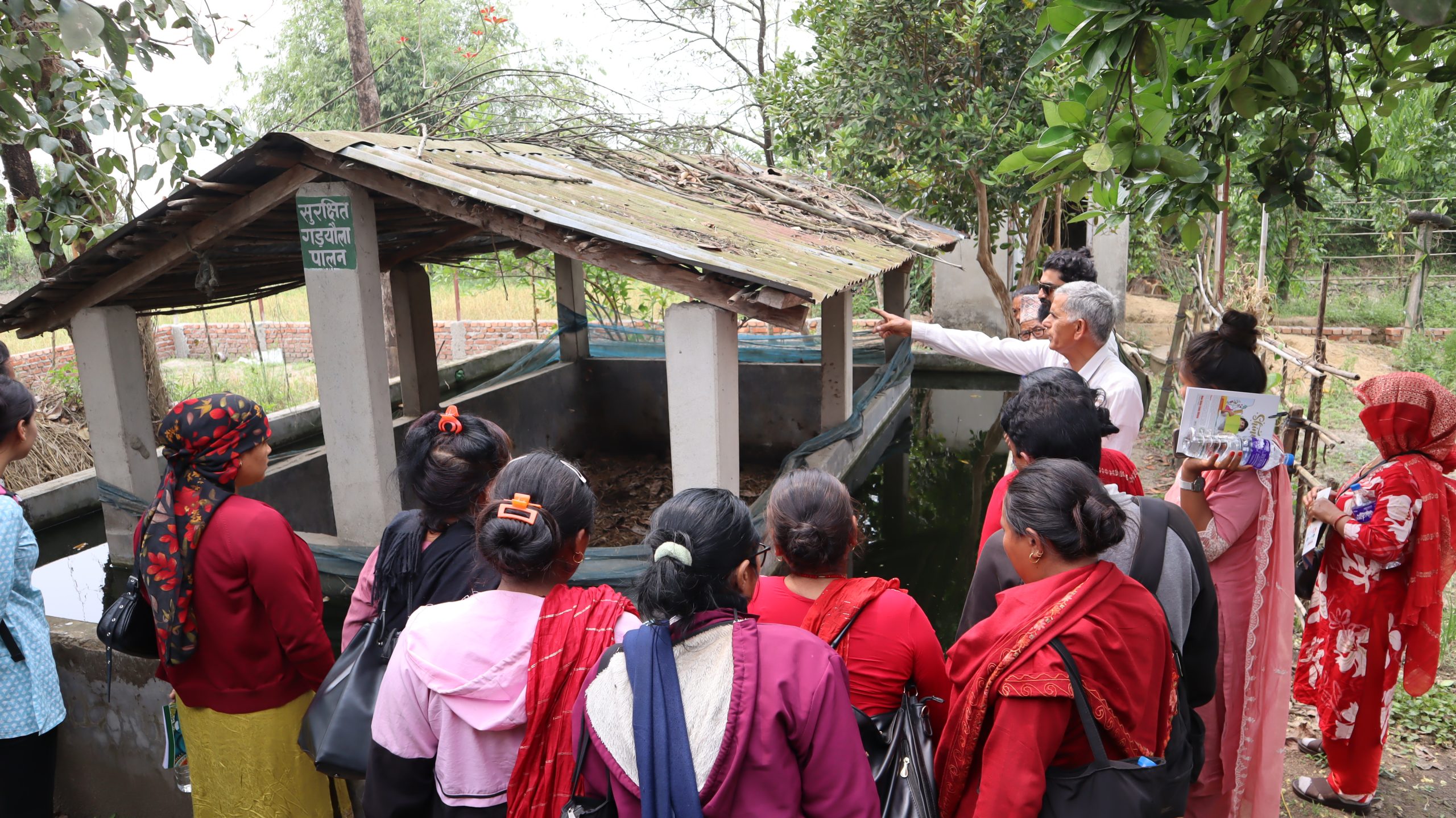
After a year of field-level actions with the community, an annual review and reflection meeting was held on 1 January 2026 with the farming community in Dhusa, Ichhakamana Rural Municipality, Chitwan, where the community led Participatory Action Research (PAR) on agroecology is being implemented. The Dhusa community is composed primarily of Chepang and Gurung households. Approximately 30 farmers participated in the meeting, the majority of whom were women. Beyond reviewing completed activities, the meeting created space for farmers to reflect on their experiences, observations, and learning emerging from the agroecological practices tested over the year.

Ms. Daman Kumari Chepang, one of the lead farmers, shared a detailed reflection on the activities undertaken and described how her engagement in the process deepened her understanding of soil health and the long-term importance of soil restoration through agroecological practices. Her reflections stimulated wider discussion among participants, including community members who were not directly involved in field-level implementation but reported increased awareness and understanding of the ongoing work at the demonstration site. This highlighted how learning and knowledge sharing had extended beyond the immediate group of participating farmers.

The discussion surfaced key learnings related to the relevance of locally adapted practices, the value of integrating Indigenous farming knowledge with scientific agroecological techniques, and the importance of collective experimentation, observation, and reflection. Farmers expressed a growing sense of ownership over the process and emphasized the importance of continuing to learn together through shared practice.

As an outcome of this collective reflection, community members agreed to take the process forward by forming a Community Action Group (CAG) comprising nine core members, including 7 female and 2 male farmers. This group represents a shared commitment to sustain experimentation, strengthen peer learning, and gradually expand agroecology-based soil restoration practices across the wider community.

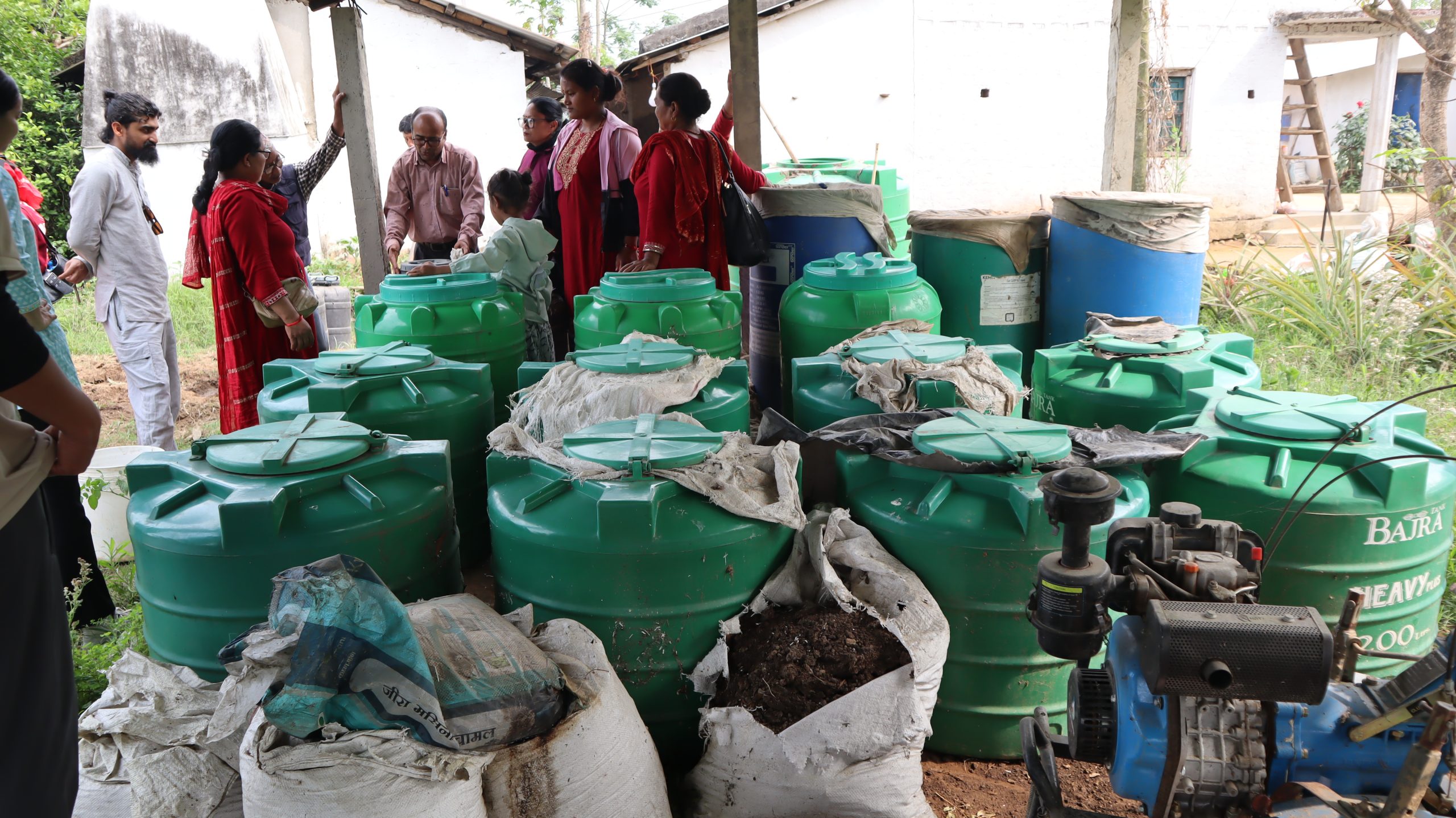
Following the meeting, participants visited the demonstration site to observe progress and outcomes firsthand.

The presence of Ms Samikchya Poudel (the Head of the Agriculture Section of Ichhakamana RM) further enriched the discussion by connecting community-level learning with local government perspectives, reinforcing opportunities for institutional support and enhancing the long-term sustainability of the initiative.


Leadership training on restoration for community leaders

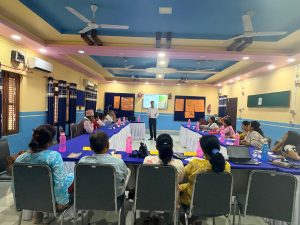
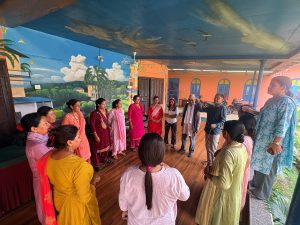
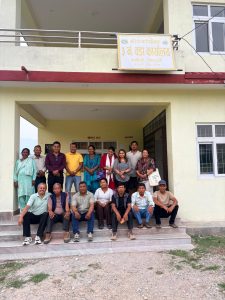
A four days leadership training for restoration champions was successfully organised at Gabhar Valley Homestay, Banke from 24 th -27 th December 2025. The training was attended by 24 participants from ten districts of Lumbini and Karnali Provinces. Participants were leaders and members of community working on forest management and agriculture. This training conceptualised needs, process and outputs of restoration. It highlighted and focused on various conventional and emerging challenges on restoration. Participants discussed about participatory and inclusive restoration and learnt how traditional management approaches including, farm-forest interfaces support in restoration. While learning and sharing various aspects of restoration, participants also got the opportunity to experience culture of indigenous Tharu community.

Implemented under the ‘Reducing Environmental Degradation in Asia and Africa (REDAA)’ project, funded by the UK International Development and managed by IIED, the training was conducted in a natural environment using interactive and various participatory methods such as voting, quizzes, games, jungle walks, matching activities, debate and group work. Activities were designed to foster mutual learning among participants, between project team and the participants. Participants highly appreciated this experimental approach. The event also provided trainers an opportunity to learn from diverse experiences and local practiced shared during formal and informal sessions.

Validation of agroforestry guideline for climate adaptation and sustainable land use

As part of the Building Agroforestry-Based Adaptation Plans for Resilient Floodplains (BAGAR) project, ForestAction Nepal facilitated Agroforestry Guideline Validation Workshops for Marin Rural Municipality and Gadhimai Municipality at Bardibas and Rautahat, respectively, during 21–26 December 2025.

The validation workshops aimed to ensure that the draft municipal agroforestry guidelines were technically sound, locally relevant, and aligned with municipal priorities and existing policy
frameworks. Members of the municipal-level Ecosystem-based Adaptation (EbA) Forums, comprising elected representatives, municipal officials, technical staff, and key stakeholders, actively participated in the review and validation process.

During the workshops, participants examined key provisions of the draft agroforestry guidelines, discussed proposed implementation mechanisms, and provided constructive feedback based on local floodplain contexts, prevailing land-use practices, and climate-related risks. The discussions highlighted the role of agroforestry in strengthening climate resilience, enhancing sustainable livelihoods, and improving ecosystem services in riverine and flood-prone landscapes.

As an outcome of the process, the Gadhimai Municipality formally approved and validated the Agroforestry Guideline, while Marin Rural Municipality endorsed the guideline for finalisation. The validation process resulted in the endorsement of priority recommendations for refining the guidelines, including some clarification of institutional roles, implementation modalities, and
mechanisms for integration into municipal planning and budgeting processes. These validation workshops mark an important milestone in strengthening local ownership and institutionalisation of agroforestry practices, contributing to long-term climate adaptation and sustainable land-use planning in the project areas.


National Workshop on community-based forest enterprise: towards strategic shifts for achieving forestry for prosperity

Community forestry is one of Nepal’s most celebrated development achievements, yet its economic potential remains largely untapped. To reflect on how Community Forest User Groups (CFUGs) can move beyond protection-oriented management toward viable enterprise development, ForestAction Nepal organised a 24-hour residential sharing and reflection workshop bringing together community representatives, government officials, private-sector actors, civil society, development partners, and researchers.

Drawing on findings from an FAO–Forest and Farm Facility (FFF)–commissioned study, discussions focused on three key institutional challenges: weak entrepreneurial capacity within CFUGs, limited economies of scale, and inadequate community–private sector partnerships. Participants examined policy and institutional reforms needed to transform CFUGs into dynamic enterprise actors, strengthen collaboration and aggregation mechanisms, and foster equitable partnerships with the private sector. The workshop concluded with strong commitments from government and stakeholders to advance strategic actions for strengthening Community Forest Enterprises (CFEs) and enhancing their contribution to Nepal’s green economic transformation.

First National Conference on invasive alien species in Nepal

Forest Research and Training Center (FRTC) collaborated with ForestAction Nepal to organised the first National Conference on Invasive Alien Species in Nepal on 12 th -13 th December 2025 in Kathmandu. This was the first of its kind and high-profile event organised on invasive species in Nepal. The conference brought together various stakeholders working on policy, management and research on invasive species in Nepal.

Dr. Lila Nath Sharma who is undertaking invasive species management and restoration projects in ForestAction Nepal presented an invited paper on ‘Current efforts to control invasive species outside protected areas in Nepal’. He shared ForestAction Nepal’s activities on invasive species management. Similarly, Dr Naya Sharma Paudel moderated a session on policy practice linkage on invasive species management in Nepal. The conference was important and successful in
sensitising stakeholders on urgency of invasive species management.


Youth Engage in “Mato Bahas” to Celebrate World Soil Day 2025

World Soil Day 2025 was celebrated globally on December 5 under the theme “Healthy Soil for Healthy Cities.” To mark the occasion, ForestAction Nepal, serving as the secretariat for the Alliance of Agriculture for Food (AAF), organized a special youth-focused event titled “Mato Bahas” (Dialogue on Soil) in Kathmandu. The program brought together around 30 students from diverse academic backgrounds, including Agriculture, Forestry, Engineering, Law, Humanities, Education, Environment, and Climate Studies, along with soil expert Dr. Bhava Prasad Tripathi and members of AAF.

The event began with an engaging participatory activity called “Vote for Soil.” Two soil samples, one from a forest (Soil Sample A) and another from a heavily cultivated field (Soil Sample B), were placed in separate boxes. In the first round, participants were asked to choose the “better” soil based solely on touch, without seeing the samples. During the discussion that followed, many shared that they had preferred Soil Sample A because it felt finer, moister, and richer in organic matter, with noticeable leaf particles.

In the second round, participants were allowed to see and smell the samples, and Soil Sample A once again received the highest votes. Its natural earthy aroma stood in sharp contrast to Soil Sample B, which lacked any distinct smell. This collective observation led to a key conclusion: forest soil is more vibrant and biologically active, whereas the cultivated field soil, exposed to heavy use of chemical fertilizers, has become comparatively depleted.

Following the activities and discussion, education specialist Tika Bhattarai emphasized the need to integrate soil awareness into education, reminding participants that soil is a living entity that must be protected. Soil expert Dr. Bhava Prasad Tripathi highlighted the urgency of reducing chemical inputs and promoting practices that enhance soil organic matter and vitality. Similarly, agriculture expert and activist Dr. Krishna Prasad Paudel stressed that soil forms the foundation of human life and that safeguarding it is a shared responsibility.

The program concluded with remarks from AAF activist Sujata Tamang, who highlighted the critical role of youth in restoring and preserving soil health. She encouraged participants to contribute meaningfully from their respective fields and capacities to ensure healthier soil and healthier cities, in the years ahead.

Multistakeholder workshop on coordination mechanism for forest fire

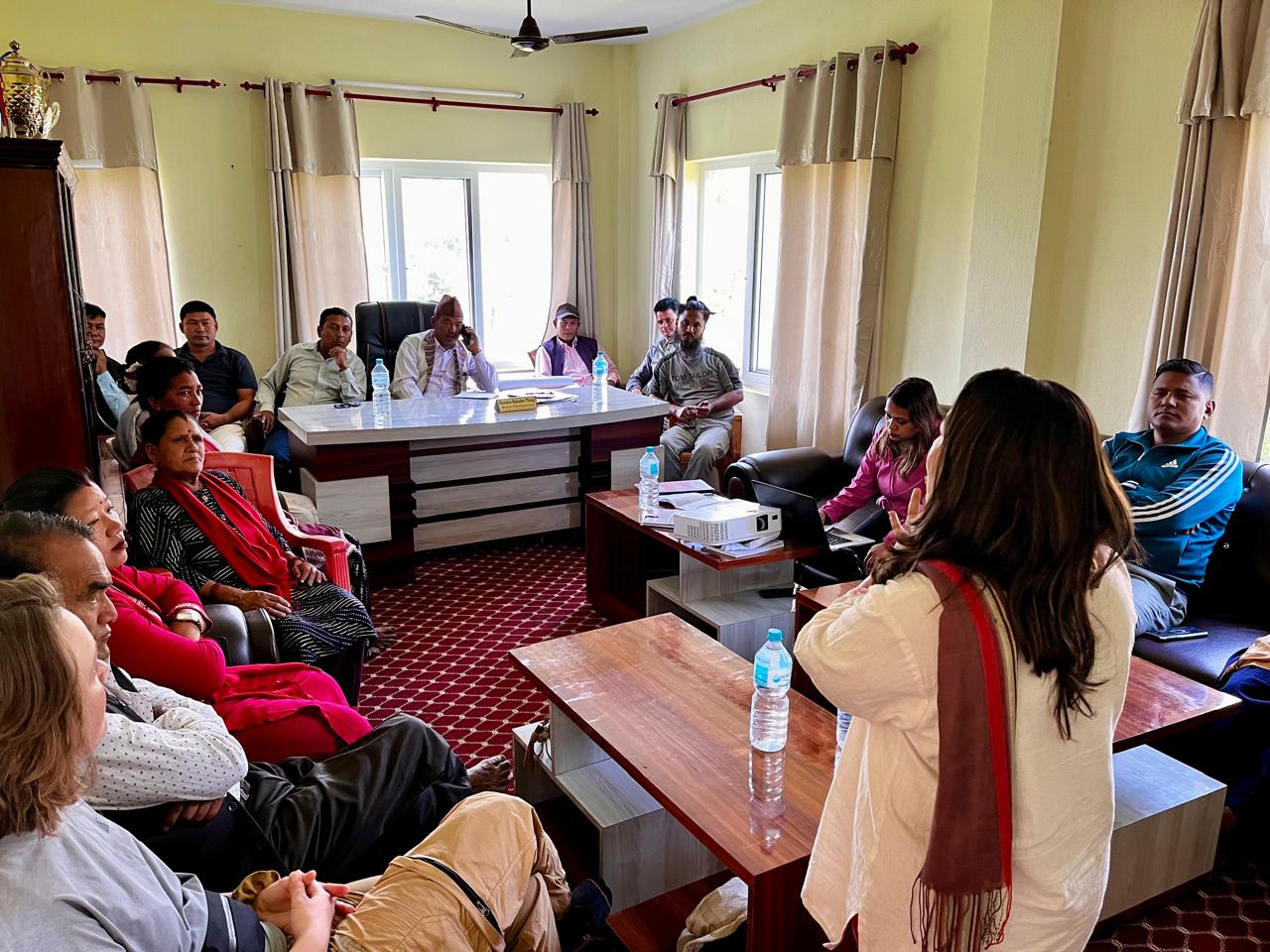
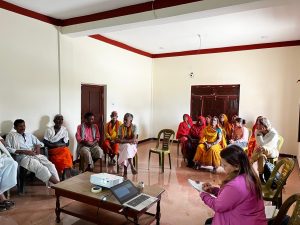
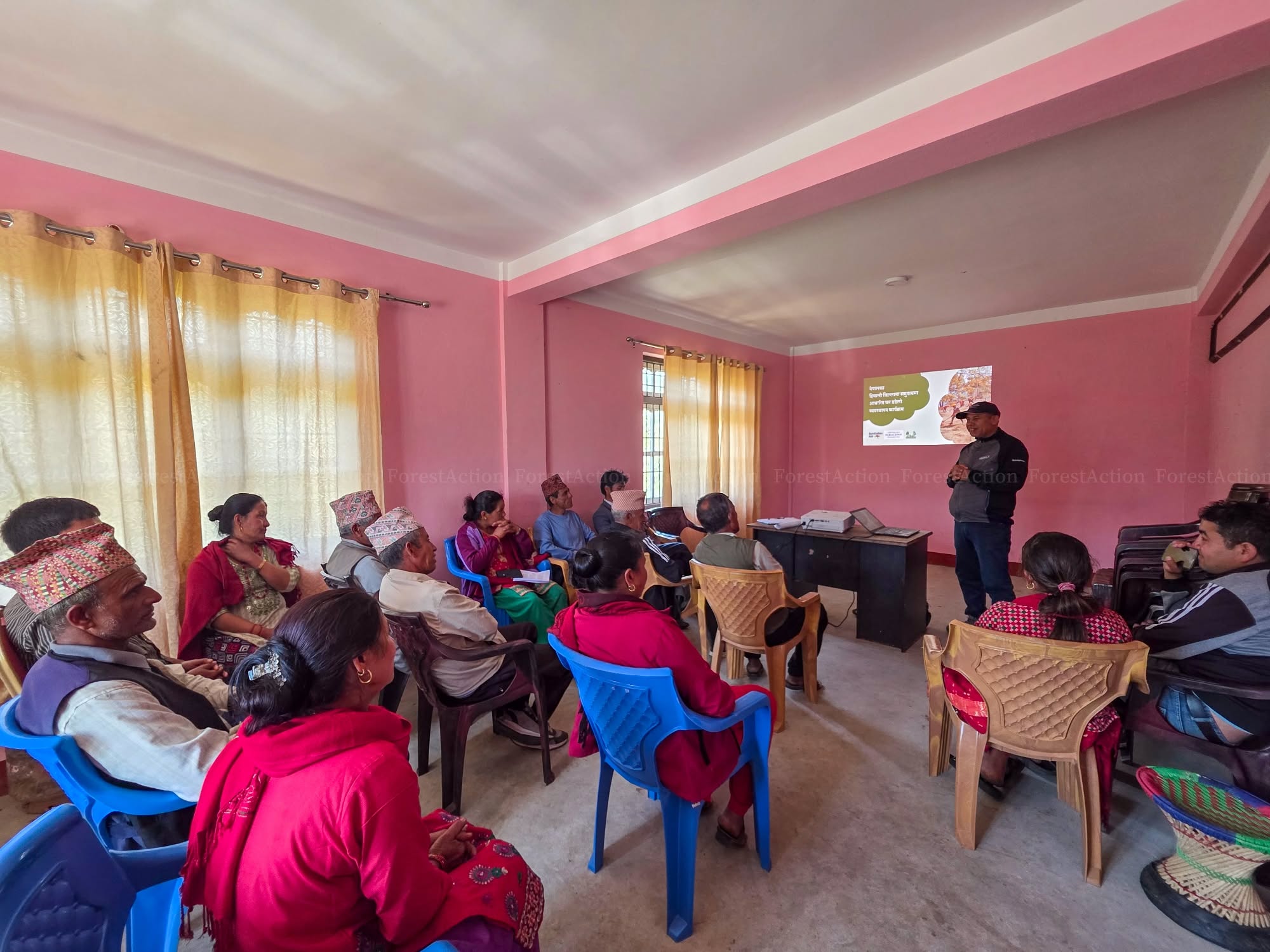
ForestAction Nepal is excited to begin a series of multistakeholder consultations to strengthen local-level forest fire management. The first rounds of discussions in Shailung and Chautara brought together an inspiring range of actors—local governments, Division Forest Offices, security agencies, FECOFUN, community forest user groups, and local leaders who are all
committed to protecting our forests and communities.

These consultations mark an important step toward building a coordinated, inclusive, and informed approach to forest fire prevention, preparedness, and response. By bringing diverse voices to the same table, we aim to co-create practical solutions rooted in local realities and collective action.

ForestAction Nepal, in partnership with the Australian Himalayan Foundation (AHF) and Australian Government Department of Foreign Affairs and Trade (DFAT) through the Australian Embassy, Nepal, are working in two Palikas to support the collaborative, community-centered action on forest fire prevention and response.
Together, we can strengthen resilience, protect our forests, and ensure safer communities.

Fore more details: https://www.youtube.com/watch?v=fEfuHSiF9rU


Strengthening forest based enterprise through policy lab

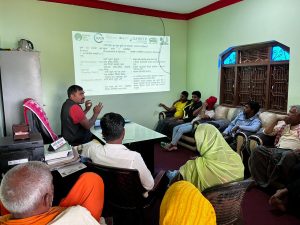
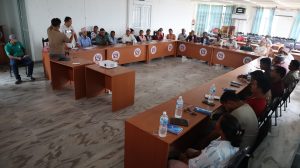
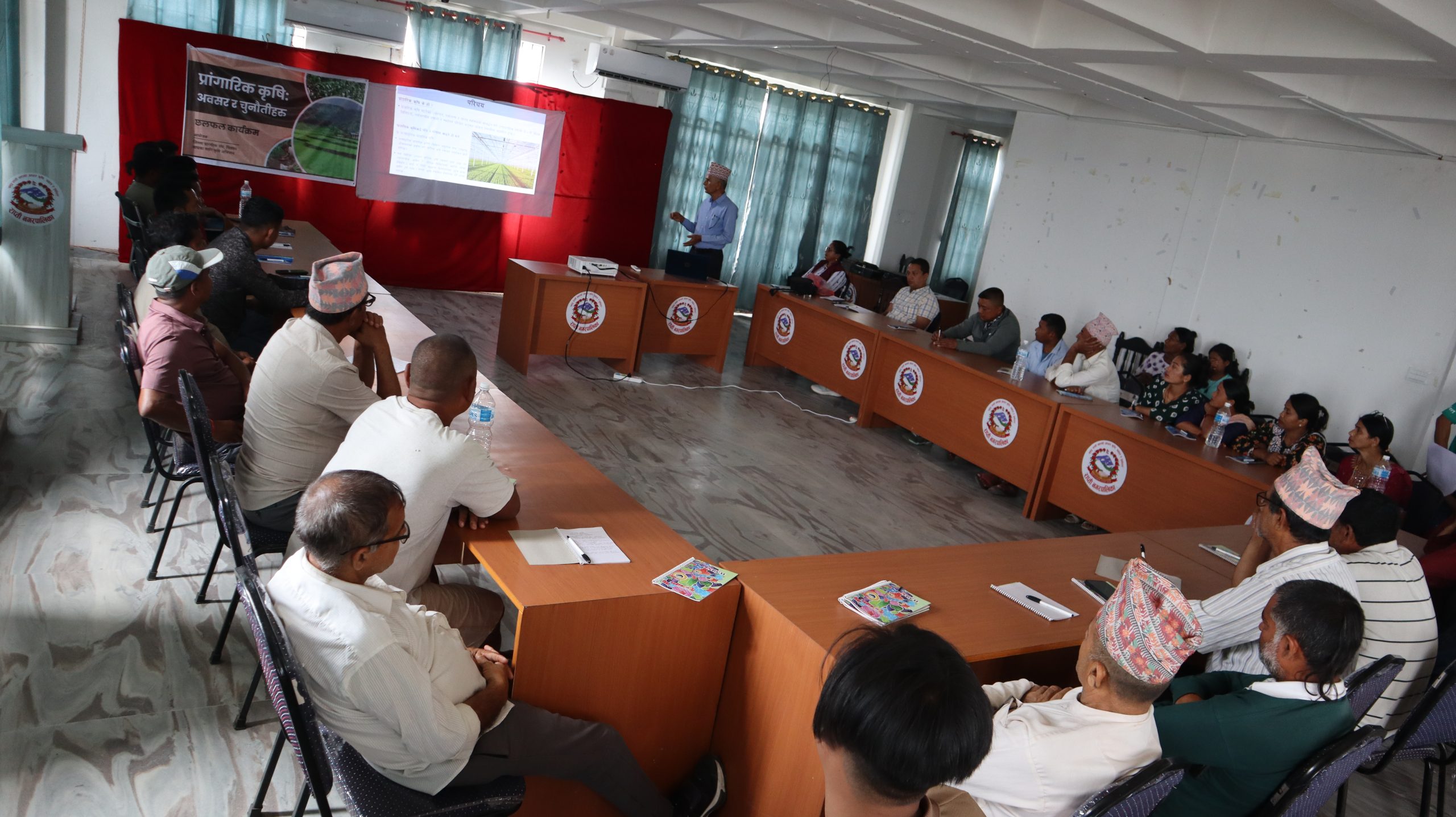
ForestAction Nepal organised a Policy Lab held on 30 Nov 2025 in Bhalubang, Dang, bringing together participants from the stakeholders’ field visit, the Provincial Ministry of Forests and Environment, Lumbini Province, the Provincial Forest Directorate, Lumbini Province, Divisional Forest Officers of Dang, Gautam Buddha, Deukhuri and Pyuthan, forest-based entrepreneurs, and representatives of FECOFUN at the provincial level. The Policy Lab provided a structured space for grounded dialogue on the practical challenges faced by forest-based enterprises and the policy and institutional conditions shaping their growth. Building on field-level observations and practitioner experiences, participants examined regulatory bottlenecks, enterprise establishment processes, and opportunities for improving coordination between communities, government agencies, and the private sector. The discussions emphasised the value of learning from practice to inform adaptive policies that can better support enterprise development and sustainable forest management in the province.

Exploring Nepal’s timber economy through field visit and Ban Chautari

With an aim to deepen the understanding of challenges and opportunities pertinent to the evolving timber economy in Nepal, ForestAction Nepal organised a field visit in November for relevant stakeholders in the forestry sector. A range of forest-based enterprises in Makwanpur, Chitwan, Rupandehi, Kapilvastu, and Nawalparasi were visited.

The visit concluded with a Ban Chautari event, which brought together representatives from the Province Ministry (Bagamati) of Forests and Environment, Province Forest Directorate, research institutions, universities (TU & AFU), forestry networks including Province FECOFUN and FENFIT, civil society organisations, and Division Forest Officers from Makwanpur, Sindhuli, Marin, Rapti, and Chitwan.The dialogue focused on understanding the potential vs. actual production of Nepal’s forest resources and identifying pathways to bridge the gap for a more sustainable and productive timber economy.


Australian Awards fellowship on strengthening capacity to respond to climate-induced forest fires in Nepal

Australian Himalayan Foundation (AHF) partnered with ForestAction Nepal in implementing the Australian awards fellowship on strengthening capacity to respond to climate-induced forest fires in Nepal, funded by the Australian Department of Foreign Affairs and Trade (DFAT). The month-long (2 Oct 2025 to 2 Nov 2025) fellowship enabled participants from Nepal, including ForestAction Nepal researchers, Madan Bashyal and Aayush Gautam, to engage in technical workshops, field visits, and expert exchanges in Australia, gaining insights into scientific fire management, early warning systems, community-based preparedness, and integrated fire management. The collaboration strengthened institutional linkages between Australian and Nepalese governmental, non-governmental and civil organisations and generated practical knowledge that can be adapted to Nepal’s context to enhance forest fire preparedness, climate resilience, and sustainable forest management.


Commencement of preliminary stakeholder discussion with the University of Notre Dame.

A week-long joint study undertaken by the University of Notre Dame, USA, in collaboration with ForestAction Nepal, focusing on the stocktaking of CGIAR-supported agricultural innovations in Nepal, was formally commenced in Kathmandu.

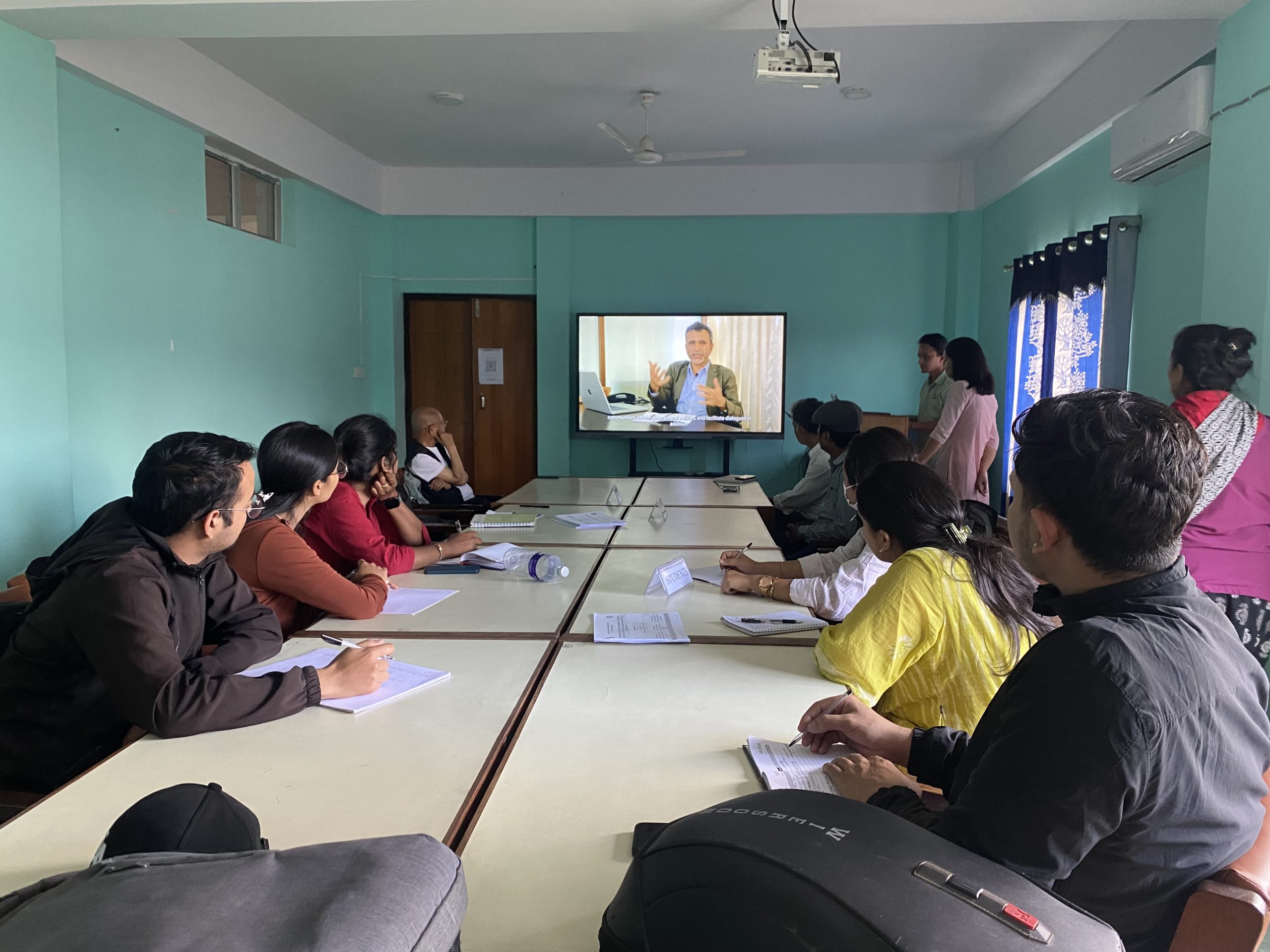
The study was initiated with a series of preliminary stakeholder discussions involving key actors from research institutions and development organisations such as IWMI, IRRI and CIMMYT Nepal. The discussions was led by Research Fellow Dr. Nabin Pardan from the University of Notre Dame, who facilitated dialogue and interaction among stakeholders.