International Conference on Revitalising Community Forestry in the era of socio-environmental crisis

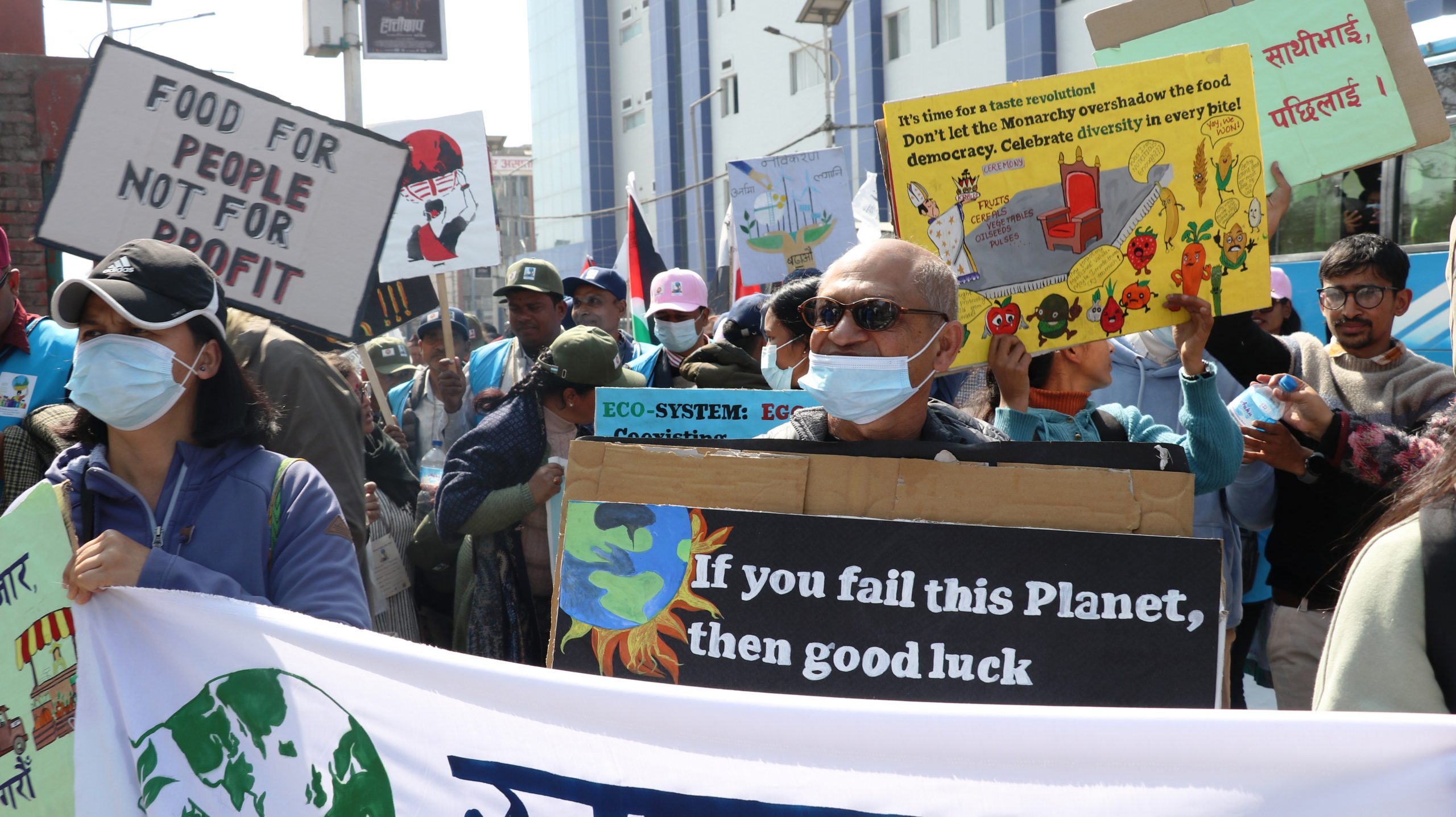
International conference on community forestry aims to provide a productive platform to share lessons and insights from practitioners, professionals, policy actors, and researchers through plenary talks, presentations, panel discussions, audio-visual presentations, and field visits. It is designed to forge productive dialogue between practice-based insights, theories, and policy questions. It is expected that the conference will draw relevant lessons, help address emerging policy questions, and re-energise momentum towards ecosystem restoration through community forestry.

Click on the image or here fore more details.

Second Module of Immersion Course on Madesh for Social Transformation

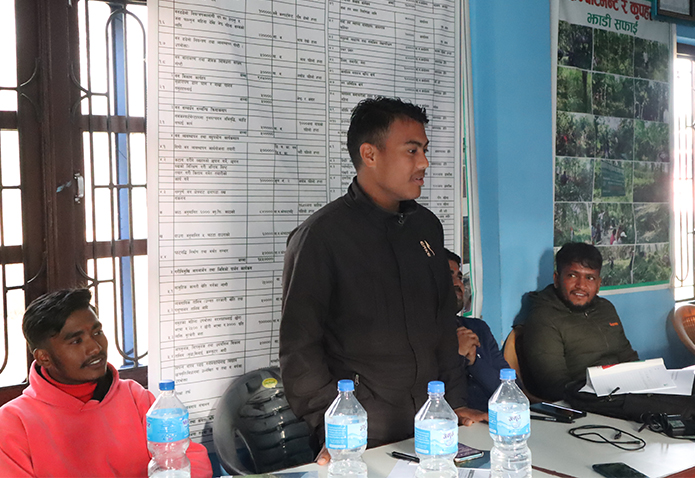
ForestAction Nepal/ AAF in collaboration with Centre for Educational Policies and Practices (CEPP) and Nepal Madesh Foundation (NEMAF) jointly organized and facilitated the second series of “Immersion Course on Madesh for Social Transformation ”. Five -day long training session was successfully completed in Lalghad leprosy hospital, Dhanusha from 1318 March 2024 with a total number of 17 participants. The training approach incorporated a mix of different learning techniques, such as PowerPoint slides, engaging discussions, collaborative group activities, and informational videos.

Throughout this series, the central focus was on environmental issues, with participants delving into the complexities of our current environmental challenges. Participants explored critical questions concerning the world’s ecosystems, the delicate balance of the atmosphere and carbon cycle, fluctuations in the water table, and their interrelation with climate patterns. Various individuals from different fields, including environmental activists, teachers, international non-governmental organizations (INGOs), government officials and Members of Parliament shared their personal experiences and stories of overcoming challenges to achieve success. During the session, participants were also provided with essential life skills, including first aid education and techniques. There were extensive discussions on reproductive health knowledge, covering a wide range of topics. Basic methods for data analyzing and conducting Participatory Rural Appraisal (PRA) were discussed during the session, how locally available resources can be used as tools to analyze data.

In conclusion, participants departed from the training equipped with a deeper understanding of the problems and challenges surrounding environmental issues.

Discussion program on the loss of agrobiodiversity and the possible crisis

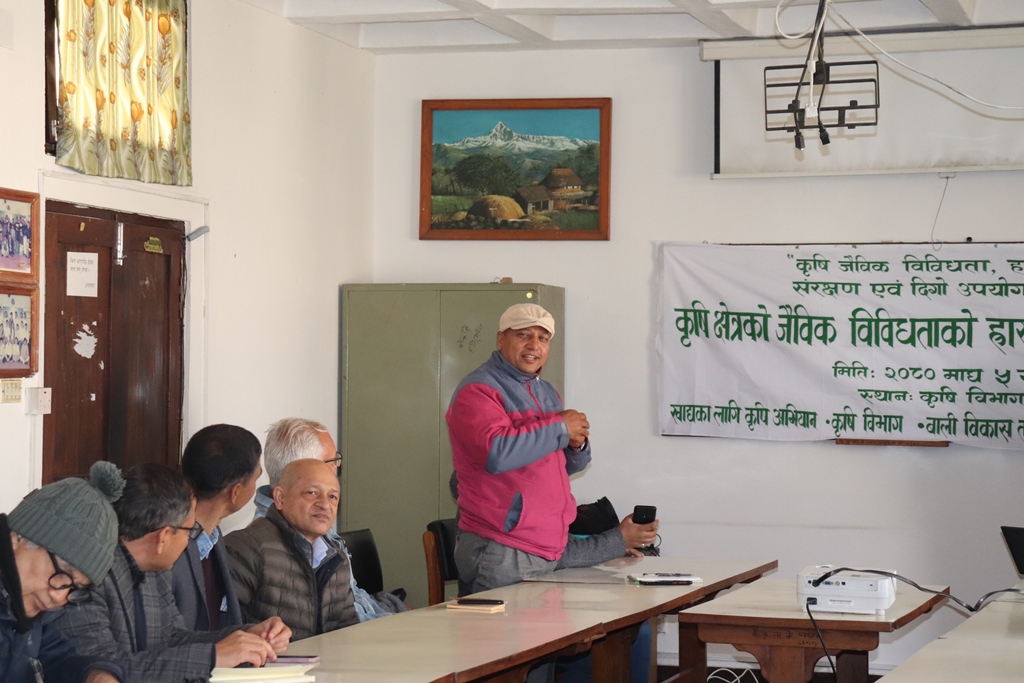
Alliance of Agriculture for Food (AAF) in collaboration with the Department of Agriculture (DoA), Centre for Crop Development and Agrobiodiversity Conservation (CCDABC), and Local Initiatives for Biodiversity, Research and Development (LiBIRD) organised a discussion program entitled “Discussion program on the loss of agrobiodiversity and the possible crisis” at DoA on 19 January 2024. In the context of the National Agrobiodiversity Day and a weeklong celebration of agrobiodiversity, as decided by the government of Nepal.

The discussion was chaired by AAF coordinator Mr Uddhav Adhikari and moderated by Dr Naya Sharma Paudel. It was aimed to have an intensive discussion among concerned policymakers and stakeholders on the upcoming environmental and food crisis caused by the loss of agrobiodiversity to raise attention to the issue. Around 50 participants involved in the field of Agrobiodiversity, including government actors, academics, civil society actors, farmers, activists, media personnel and students participated and contributed to the discussion program.

Firstly, Mr Megha Nath Timilsina (Head of CCDABC) presented the status and the Government’s efforts on Agro-biodiversity conservation. Secondly, Dr. Lila Sharma presented on wild foods and the importance of forest-based agrobiodiversity.

Major concerns/remarks presented during the discussion

• Changes in food habits and money/profit-oriented agricultural production are contributing to the loss of several local seeds and foods
• Biodiversity conservation but with economic benefits only has created some problems despite having huge potential of the rich biodiversity of hills.
• Need to use Research, education and extension to promote Agroecology. Universities are making some efforts but still struggling with limited options for widely sharing the findings and learning.
• Policies and programs are not well tailored to conserving agrobiodiversity and diverse food. Also, agriculture and education are not well connected. Despite some improvement in the existing curriculum, it is not adequate particularly to promote agriculture for food first.
• Conservation of agrobiodiversity is not prioritized by the government as much as it needed to due to the priority provided to the promotion of intensive and single cropping systems.
• Inadequate investment and efforts are given to Agriculture education and research to promote local (landraces). Most farmers are doing it by themselves.
• Policies and programs should be influenced by local learnings and also should be formulated to support local communities and practices.
• Need to promote locally produced food for daily consumption including in school meals.
• Forest-based foods should also be conserved and promoted.
• Farmers leaving farming is partly attributed to the government’s policies and programs of promoting chemical fertilizers, pesticides and hybrid seeds in the name of subsidy and to increase production.
• Inadequate research and data collection and analysis.
• To encourage the conservation and promotion of agrobiodiversity, there is a need to raise public awareness to consume local foods and diversify the varieties, provide subsidies to farmers etc.

Finally, the discussion was summed up by Mr Bharat Bhandari. Mr Uddhav Adhikari, the chair, concluded the program with a vote of thanks. Additionally, he reemphasised the need to define commercial farming and reminded us of the destruction made by monoculture and chemical-based farming practices on soil.


“Bilaudai Hiude Jhari”: Losing the winter rain

The reliance on fossil fuel extraction, exploitation of nature, and monoculture farming systems based on synthetic chemicals, fertilizers, and pesticides has led to an escalation in greenhouse gas emissions. Consequently, there has been a rise in atmospheric temperatures, accompanied by erratic rainfall patterns. This shift in the annual precipitation cycle, notably with reduced winter rainfall, has profoundly impacted agricultural practices.

To address these pressing concerns, an informal discussion was convened by the Alliance of Agriculture for Food (AAF) in collaboration with Chitwan Kachahari on second of February 2024, in Chitwan. Approximately 20 participants, including experts in climate science, sustainable agriculture, local and national media journalists, and organic farmers, were present.

Dr. Jiwan Kshetry initiated the discussion by highlighting the climate crisis and the changing rainfall patterns, citing the INSO Index. He underscored the alarming increase in temperatures and its correlation with precipitation. Over the past 23 years (2000 to 2023), there has been a significant temperature rise of 1.48 percent. Dr. Kshetry illustrated the devastating impact of such changes, citing the floods in Sikkim last year and attributing these shifts to phenomena like El Niño.

Activist Dr. Krishna Prasad Paudel emphasized that over 50 percent of Nepali farmers still depend on rainfall for agriculture. However, changing precipitation patterns, particularly the absence of winter rainfall, pose a grave threat, potentially leading to severe food crises and increased migration. Dr. Paudel advocated for systemic changes in agriculture to address these challenges.

Chandra Prasad Adhikari, a 66-year-old organic farmer, lamented the disappearance of winter rainfall, which was beneficial for farming. He recounted the struggles faced by farmers, including the drying up of maize crops in Chitwan due to drought. Adhikari stressed the importance of conserving local seeds and traditional agricultural knowledge as essential components of climate-resilient agriculture.

Dr. Ishwari Prasad Kadria, a professor at the Agriculture and Forestry University (AFU) in Rampur, highlighted the adverse effects of temperature increase on both agriculture and livestock. He noted a rise in cattle infertility and the dwindling of water sources in mountainous regions, which has negatively impacted animal husbandry. Dr. Kadria advocated for the promotion of improved varieties of local seeds and knowledge to mitigate these effects.

Similarly, Dr. Himal Luitel, another professor at AFU, pointed out the escalating cancer rates attributed to increased consumption of chemical-laden food products. He raised concerns about the theoretical focus of agricultural education, advocating for a shift towards more practical, skills-based training.

The discussion concluded with participants like Sagar Karki, Sarita Tiwari, and Pratima Silwal expressing their concerns regarding food security and climate change, underscoring the need for collaborative action and sustainable solutions.

Neglected weeds economically empowers through rural women’s entrepreneurial initiatives

Nepal’s untapped forest potential has been a subject of discussions on national and international platforms. This holds true for both timber and non-timber based benefits. Women’s preferences for forest resources utilization are largely ignored and often limited to minor forest products. Only 6% women lead the CFUG, which limits their involvement in the decision-making process. One of such minor forest products is the nettle (Urtica dioica) called Sisnoo in Nepali.

Nettle powder enterprise located in remote parts of Sindhupalchowk has avidly sowed the see of empowerment of marginalized women. The abundance of sustainable, high-quality nettles in the forested areas makes nettle collection and processing a sustainable option.

Marginalized women in these regions play pivotal roles as catalysts in the socio-economic, commercial, and cultural aspects, positioning themselves at the core of integrating Sisnoo into various facets of life. This involvement spans from activities such as harvesting and medicine to cultivation, traditional knowledge, embroidery, and trade.

Pictures: Rural site for nettle enterprises.

More than 30 (thirty) rural marginalized women belonging to (Dalits and indigenous groups) won a new identity as “Green entrepreneurs” by actively engaging in the value addition chain of nettle enterprises as: collectors, producers, processors, and marketing agents. These newly recognized entrepreneurs are small-scale farmers and homemakers. These women face multiple forms of discrimination i.e. the combined effects of practices which discriminate based on sex, ethnicity, wealth and physical status including gender-based violence. Engaging in nettle powder enterprise, the women entrepreneurs have travelled a transformational journey of balancing gender relations with increased “say” on ownership of land, resources, and forests.

As said, each drop will collectively become an ocean, this path of empowerment is supported by various institutions, such as District Forest Office, financial institutions like banks and cooperatives, Local Governments, the private sector’s and others.

Laxmi Maya Newar, one of the zealous entrepreneurs, had the biggest collection of raw materials, which was five times more than others, i.e., 15 kg in a week. When inquired about her motivation, she added,

“The main driving force for me was that prior to my entrepreneurial journey, we had to work very hard with mud and sand, covered in cattle manure, for which we were obviously unpaid. I had never imagined that this sisnoo, which was carelessly ignored and wildly scattered, would one day empower us financially and help to create a dignified space in society. I have been constantly putting every ounce of effort into every aspect of this enterprise’s development.”

A short photo story guide to the overall process of the nettle powder Stinging nettle (Urtica dioica, L. Urticaceae) preparation:

1) In these areas, high-quality nettles grows naturally in abandoned sites. It takes 6 months to mature, and is harvested in every three weeks from clean areas more in the rainy seasons. Then it’s cleaned, washed, and drained to sterilize it using safety gear like gloves and tongs to prevent electrifying and chilling sensations.


2) Blanching is done afterward by boiling it for 15 minutes to remove toxic substances in it like insects, poisons, eggs, dust, etc. It’s soaked by hanging in a traditional way.


3) Then it is kept under solar drying until it is completely dehydrated to form crunchy sisnoo.


4) The crunchy sisnoo went through the grinding machine, and the sting venom became nonfunctional, with some mild venoms that actually added more nutritional value to it.


And finally, it can be consumed directly without mixing any spices or mixed with coriander powder, cumin powder, garlic powder, and cornflower for taste enhancement

These women entrepreneurs are also equipped with technological backing that operates according to green standards and generate no greenhouse gas emissions. One such example is the use of gender-friendly technology like solar dryers that are efficient, time- and energy-saving, cost-efficient, and less labor-intensive. This solar dryer was designed by The National Innovation Center, that responds well to food security and comply with the goals of SDG 7, Affordable and clean energy,”

Sisnoo has been a blessing for Pabitra Pradhan, who is also an Ayurvedic practioner and a veteran community forestry leader in Sindhupalchowk. She believes that sisnoo has been used as a vegetable since time immemorial. It has been proven that if you cook the root of this sisnoo and feed it to children, it strengthens bones, improves digestion, cleans the stomach, cures constipation, and prevents disease. Nowadays, it occupies a great deal of space in the Nepalese kitchen, and culture is infused into the herbal nettle tea, nutritive vegetables.

Historically, the nettle plant is significant from its utilization in warfare to its therapeutic purposes, has made it an intriguing business idea. This enterprises aligns with the SDGs goal 12 ensuring sustainable production and consumption patterns.

Empowering Rural Economies: A Journey from Informal Channels to International Trade Fairs.

Ticking more boxes when it comes to benefits, this powder fetches a good price, the women entrepreneurs are selling the nettle powder at Rs 600–800 per kg (USD 6.25) and have started reaping benefits from it. . Nettle has a good market in local, national and international markets. They have sold it via local channels to the International trade fairs. The female entrepreneurs are contributing to a revolving fund with money made from the sale of nettles in order to cover their living expenses, pay their children’s tuition, and improve their livelihood.

Various market niches explored were, Local shops and market places haatbazar, local melas, festive occasion, urban market outreach (kosheli ghar, udhami ghar). Moreover they were displayed and promoted in exhibitions, local trade fair , workshops, International Trade fair and even  advertised using online platforms like Facebook and Tiktok.

As Rome was not built in a day, so were these green entrepreneurs. Time and again, they had to face the policy barriers, go through the tedious registration process, and constantly deal with patriarchal mindsets in the family and society. But with their strong credence, their hope to embark on the entrepreneur’s journey has opened avenues challenging the stereotype that enterprise management is not a cup of tea for women.

Through their 2 years of entrepreneurship, various capacity building programs, Co-ordination with the multiple tiers of the government, policy dialogues, internal as well as external exposure visits, series of the skill development trainings have found to be instrumental in their empowerment and enhanced market skills.

This low-carbon green enterprise models have observed a shift in gender values for the cause of social justice, involving advancements in technology, formalization of enterprises through legal registration, as well as the implementation of branding and labeling strategies.

This  enterprises undoubtly comply with the definition mentioned in one of the research of Subedi, G. (2018). that “Green entrepreneurship are the activity of consciously addressing an environmental/ social problem/need through the realization of entrepreneurial ideas with high level risk, which has a net positive impact on the natural environment and at the same time is financially sustainable.”

The  overall research from the inception period of the this enterprises informs that appropriate women-friendly technologies, resource, service and market access, networking, exposure visits, fair trades, low carbon approach and strategic dialogues with the policy makers and implementers remained instrumental to improve women’s entrepreneurial motivation and performance.

Looking forward, There needs to be more clarity on accessible financing, market linkages, business training, and low-tech/low-cost technologies to encourage the development of sisnoo enterprises by preserving the indigenous skills. Public awareness about its uses is needed, identifying the possible competitors, tracking the market flow is vital.

In a nutshell, these green enterprises can be a beacon of hope for the people of Sindhupalchowk with immense potential to grab both national and international markets. It might further strengthen the resilience of the community by improving livelihoods even in post-earthquake and post-pandemic eras like COVID.

First Module of Immersion Course on Madesh for Social Transformation

Since 2010, the Alliance of Agriculture of Food (AAF)/ForestAction Nepal has been organizing the Apprenticeship Modular Course. The course aims to build the capacity of farmers, activists, youth, agriculture students, and others interested in engaging in the campaign “Agriculture for Food.” After successfully completing its 8th series in mid-2023, AAF/ForestAction Nepal has collaborated with the Center for Educational Policies and Practices (CEPP) and Madesh Foundation, and has commenced a new series, titled “Immersion Course on Madesh for Social Transformation.”

This modular training course will consist of three modules and aims to prepare the leadership capable of analyzing society through the lens of social and environmental justice. It primarily targets participants from the Madesh Province, particularly from Dalit and Muslim communities.

In this regard, the first module of this series, themed ” Evolution,” was conducted from November 27th to December 1st, 2023 at Lalgadh Leprosy Trust in Dhanusha. A total of 25 youths actively participated in this training, which covered various topics such as evolution, diversity and discrimination, Madesh, state and governance.

To ensure efficient learning, multiple teaching pedagogies, including PowerPoint presentations, group work and presentations, plenary discussions, and limited lectures, were used during the sessions. Games related to the subject were also employed to facilitate participants’ understanding of the issues. Throughout the five-day session, participants actively engaged in the thematic sessions, leading to effective learning and the gaining of various useful life skills.

This module marked a successful conclusion, with participants actively contributing to the training and gaining valuable knowledge in the process.


Interactive meeting with the provincial assembly members of Bagmati province

On 21st December 2023, ForestAction Nepal, the secretariat of the Alliance of Agriculture for Food, organized an interaction program entitled ‘Preamble discussion on the Agricultural Development Bill for Bagmati Province’ at Sap-Falcha, Kathmandu. The objective of the event was to discuss the draft document of Agriculture Bill prepared by Bagmati Province.

The program was conducted in the presence of the Honorable Speaker of Bagmati Province Assembly, Mr. Bhuvan Kumar Pathak, along with honorable members of the Committee on Education, Health and Agriculture of Bagmati Province, including Shreeram Lamichhane, Basanta Kumar Manandhar, Urmila Kumari Lama, Raghunath Maharjan, Samita Khadgi, Meena Parajuli, Dhaneshwori Prajapati, Bindu Shrestha, and Sakuntala Shrestha. Additionally, several stakeholders attended, including agriculture experts, farmers, media personnel, students, representatives of civil society organizations (CSOs), and members of AAF.”

During the event, Mr. Uddhav Adhikari, the coordinator of AAF, presented a thorough review of the document, accompanied by valuable feedback from AAF. After the presentation, the floor was opened for questions and views from the participants. Following this, the honorable MPs shared their perspectives, which was then followed by a speech from the honorable speaker. The event concluded with closing remarks from the AAF coordinator.

A summary of the major viewpoints expressed during the discussion;

–  Most of the policy documents emphasize creating jobs through increased production, productivity, and growth. It also seems that the current draft is more focused on promoting agricultural businesses rather than overall agricultural development. Therefore, it would be more appropriate to refer to it as the “Agricultural Business Promotion Act” rather than the “Agricultural Development Bill.”

– Need of act that prevents the fragmentation of agricultural land.

– The provincial government should ensure the provision of a minimum price guarantee for agricultural produce and agricultural products.

– The primary focus should be on overcoming obstacles during the implementation phase of the bill, rather than solely focusing on the process of creating the bill.

– There is a need to develop a model for promoting ecological agriculture. However, considering the current scenario of agricultural education, which is even worse, it is crucial to formulate a policy aimed at improving it.

– There is a need for structural reformation to enhance the effectiveness of agriculture extension process.

– It is crucial to acknowledge and address the crises caused by climate change. Agricultural policies that disregard the climate change crisis on agriculture will not be effective in addressing the challenges that agriculture faces.

– The agricultural insurance system should be simplified and subsidies should be effectively managed.

– It is important to actively involve agricultural students in agricultural entrepreneurship activities.

The honorable provincial assembly members have acknowledged that the policy-making process in Nepal lacks sufficient discussions with stakeholders. However, they view the ongoing discussion on the draft bill as a positive initiative. They also recognize the need for continuous improvement in the process itself, while noting that the discussions surrounding the bill are progressing in the right direction.

Workshop on Policy Provisions in Forest-based Enterprise: Multi-stakeholder consultation

With an aim to discuss on the existing laws, provisions, challenges and opportunities on establishing and operating forest-based enterprise, a multi-stakeholder policy dialogue on Forest-based Enterprise, was jointly organized by ForestAction (EnLiFT2), FenFIT Kathmandu/Bagmati, and FECOFUN Bagmati, in Kathmandu. With Hon. Minister Masina Khadka as the chief guest, the program was participated by diverse actors including representatives from the government, NGOs, INGOs, CSOs among others.

Along with a brief presentation on policy regime and possibilities and challenges around forest-based enterprise, panelists highlighted the challenges faced by diverse actors across the enterprise value chain. In addition, the role of the private sector in forest management was emphasized among other issues during the dialogue.

Agroecological perspectives in the 16th periodic planning

On December 17th, 2023, ForestAction Nepal, the secretariat of the Alliance of Agriculture for Food (AAF), organized a discussion event titled “Agroecological Perspectives in the 16th Periodic Planning” at SAP-Falcha Kathmandu. The main objective of this event was to deliberate on the necessity of incorporating agroecology into the 16th periodic plan, considering the recent publication of its concept note by the National Planning Commission.

The program was conducted in the presence of distinguished guests, including Honorable Binita Kathayat, a member of the Agriculture, Cooperative, and Natural Resources Committee (under the House of Representatives); Honorable Dr. Jaykant Raut, a member of the National Planning Commission; Dr. Hari Bahadur KC, Director General of the Department of Agriculture; Dr. Ram Krishna Shrestha, Joint Secretary of the Ministry of Agriculture and Livestock Development; Mahesh Jaisi, Head of the Agriculture Extension Service Department, IAAS and various stakeholders comprising agriculture experts, farmers, media personnel, students, representatives of civil society organizations (CSOs), and members of AAF.

The event followed a specific modality, beginning with a presentation by the AAF. Mr. Uddhav Adhikari, the coordinator of AAF, presented key facts and figures regarding Nepalese agriculture. This included an assessment of the shortcomings of the previous periodic plan and emphasized the importance of incorporating agroecology into the 16th periodic plan.

Following the presentation, the floor was opened for discussion. A summary of the main viewpoints expressed by the guests and participants is highlighted below;

– agriculture should be regarded as a means of livelihood.

– necessity of allocating agricultural budgets towards the development of environment friendly tools and technologies.

– need of improving implementation strategies of plans.

– due to COVID-19 and other adverse circumstances, many of the goals outlined in the previous plans were not accomplished.

– given the current scenario, an immediate transformation towards agroecological farming may not be possible. Instead, a gradual reduction of chemical use and an increase in organic matter as part of a strategy to transition towards organic farming is required.

– agroecology should be viewed as a scientific approach rather than just a form of subsistence farming.

– current plans and policies have failed to attract the interest of youth in agriculture.

– there is need to establish a co-existence between agricultural extension, research, and development.

– necessity of structural reformation for sustainable transformation of the food system.

– need to develop critical thinking in government programs and processes.

– the need for parliamentarians to have a more active and influential role in shaping agricultural policies and plans.

World Environment Day Celebrated 2023

Environment problems cannot be solved by anyone on their own. It is important for the whole community to be invested if a change is to be made. While “World Environment Day 2023” was globally celebrated with the campaign #beatplasticpollution, the ACIAR funded EnLiFT2 project led by ForestAction Nepal, along with Salle Chaubas Forest Management Committee and Sub Division Forest Office, Chaubas, organized a one-day “School Level Awareness Program” on June 5, 2023, in Setidevi Secondary School, Yakpa tole of Bhumlu-4, Kavre, Nepal. The celebration served      as a spur for collaboration and group efforts to build a more sustainable and environmentally friendly future for future generations. This day was celebrated primarily to raise public awareness of the need to protect the environment by avoiding the use of plastic and instead utilizing eco-friendly alternatives.

Marking the 50th anniversary of World Environment Day 2023, the events were divided into multiple sessions that centered on beating plastic pollution. The sessions were a silent rally on the importance of environmental conservation, with the participation of hundreds of students from three major schools in Bhumlu and Kavre. The rally was demonstrated, seeking to bring recognition of how plastic pollution impacts a natural environment. It was staged to bring attention to environmental issues and prompt action to prevent or address plastic pollution. The plantation program was carried out on the school premises to promote the preservation of trees, maintain a sustainable environment, and promote the greenery around the school premises.
Inter-school speech competitions and inter-school quiz competitions were conducted, in which three higher secondary schools, Bhumlu 4 and 5, participated. The main aim of these competitions was to offer the students the chance to socialize not only with classmates but with different students from other schools and learn through these interactions. Further, this competition also helped the students to observe, share their opinions, choose their words, ease oral communication, and take many actions to motivate them to fight against plastic pollution.
This event was intended to encourage fun learning methods while also enhancing general knowledge on diverse environmental-related themes. Overall, all the participants present there benefited from the diverse themes discussed in this event, making them more environmentally conscious. Two cultural dances and songs were performed by the students to promote social and cultural interaction as well as a sense of community well-being and unity. These dances were accompanied by powerful social messages and narratives. Ecofriendly alternatives like cloth banners, handmade papers, hemp bags, etc. were used throughout the program to encourage the use of green alternatives.


Workshop to identify key gaps and challenges pertinent to forest fire management in Nepal

Forest fire pose threats to the ecosystem and human lives every year in Nepal. The problem is exacerbated with rising temperatures, changing precipitation patterns, and prolonged droughts. Despite efforts from multiple agencies, forest fire remains a threat due mainly to high accumulation of fuel load in the forests and poor forest management practices. This calls for effective forest fire management strategies with a combination of prevention, preparedness, response, and recovery measures. In this backdrop, ForestAction Nepal in collaboration with Nepal Forester’s Association (NFA), Global Institute of Interdisciplinary Studies (GIIS), and Institute for Study and Development Worldwide (IFSD) organized a half day dialogue to identify key gaps and challenges pertinent to forest fire management in Nepal.

Policy dialogue on the opportunities and challenges of forest enterprise

Attaining prosperity from forestry is one of the pressing policy priorities in the forestry sector of Nepal. With the new local government system in place, there are ample opportunities to support community forests and local farmers in promoting forest-based enterprises. However, there are still gaps pertinent to the financial, technical, and policy aspects of FBEs in Nepal.

With an aim to develop a common understanding on the issue and identify ways forward to promote FBEs, ForestAction Nepal in support of the Australian Aid, conducted a local government-level policy dialogue on the opportunities and challenges of forest enterprises in Chautara, Sindhupalchok, on October 1, 2023. Diverse stakeholders from local government (wards, municipalities), the Department of Cottage and Small Industries (Gharelu), technicians, researchers, NGO (Forest Action Nepal), furniture entrepreneurs, Lapsi entrepreneurs, media and outreach, etc. were actively engaged to discuss the opportunities, challenges, and ways out for forest enterprise development.