International Biodiversity day: Taking biodiversity to grassroots

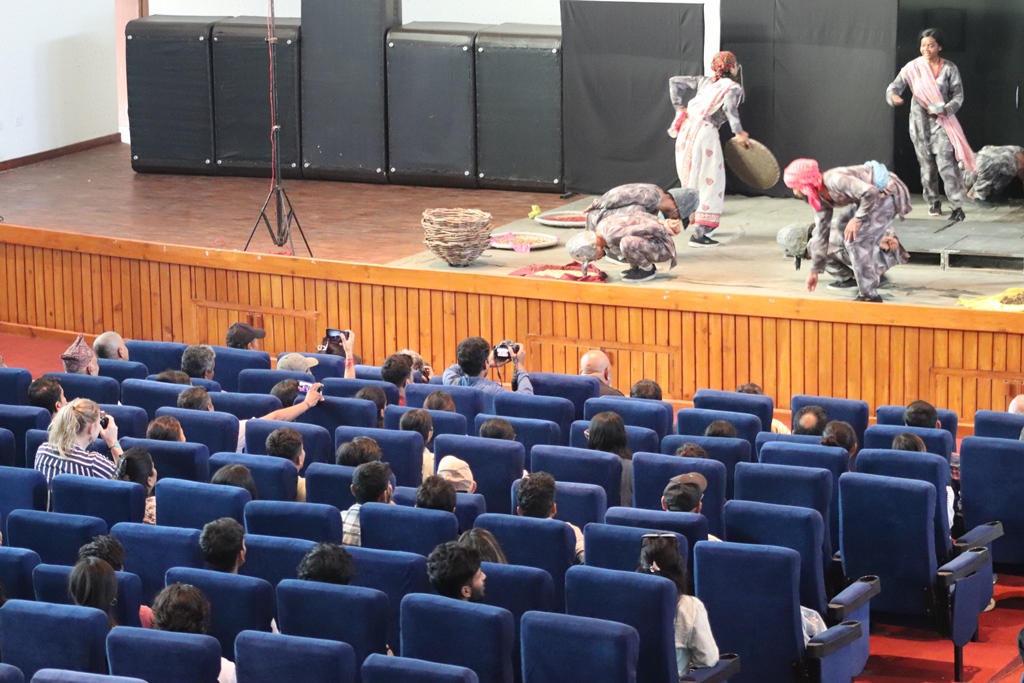
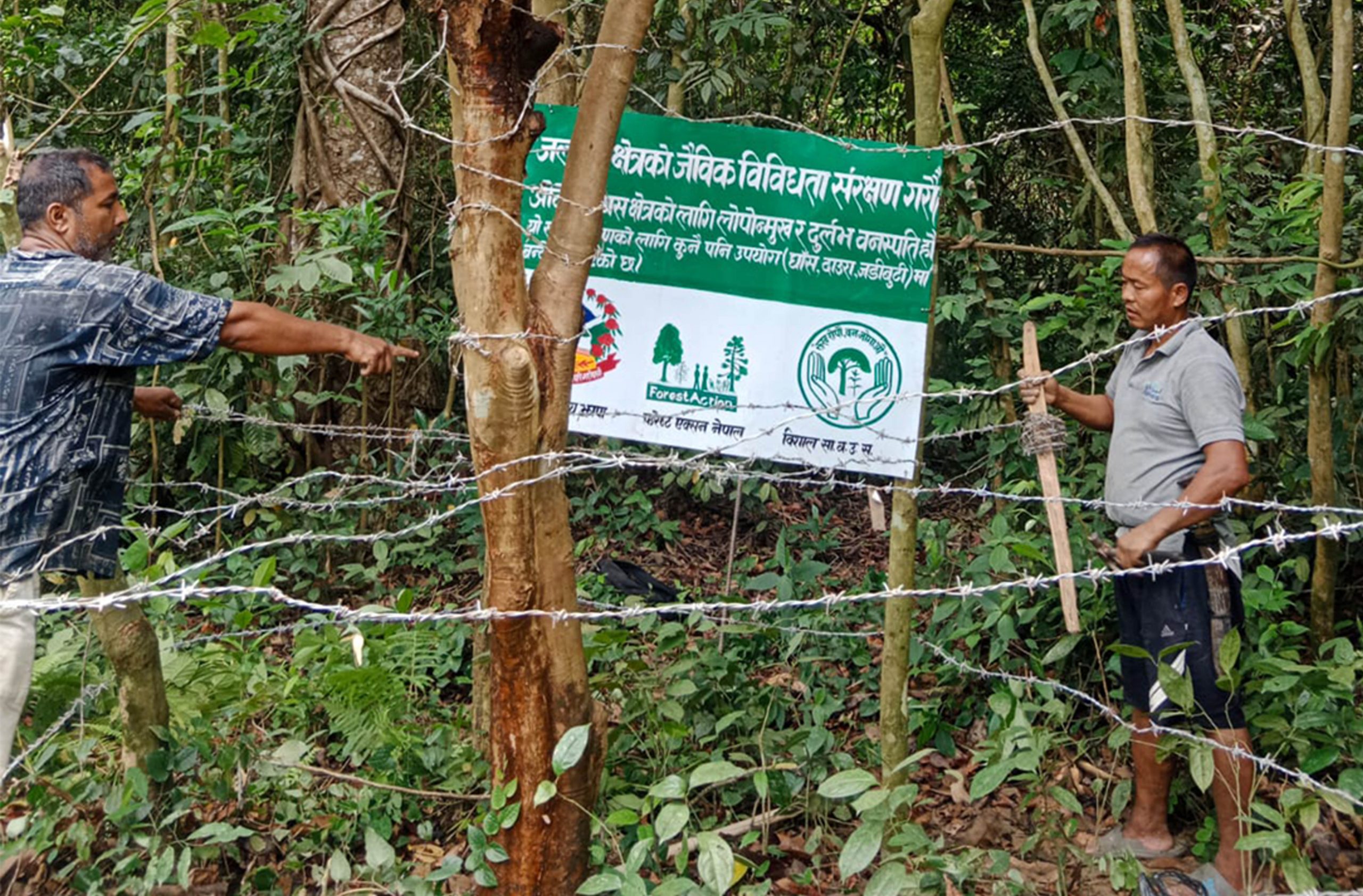
International Biodiversity Day 2023 was marked with various activities in the project site of Jalthal, Jhapa. The event brought together  diverse stakeholders; from school students to the Head of local governments in multiple activities.

The event commenced on 22 May, in Jalthal, Jhapa. Head of Haldibari Rural Municipality Inaugurated the program wherein a documentary highlighting floral and faunal diversity, ecosystem, and socio-ecological significance of Jalthal remnant forest was premiered on the day. The primary objective of showcasing the video was to highlight the significance of biodiversity in Jalthal and sensitise stakeholders.   The documentary was based on the comprehensive biodiversity profiling of Jalthal forest by the Darwin Initiative  project. The documentary is available in https://www.facebook.com/JalthalBiodiversity and https://www.youtube.com/watch?v=QhLflddbpZs

Likewise, sixteen students from eight different High schools were engaged in a poster preparation event.  Students identified ’23 Actions for Biodiversity’ in Jalthal forest. These 23 points are in congruence with 23 Targets of Global Biodiversity Framework. The students were initially oriented about the objective of the program and the content of the poster, following which they were prepared in four days period.  Based on innovative idea and excellence, the students were awarded during the event on the International Biodiversity Day. Two girls and two boys were awarded with educational materials and cash prize.

A Biodiversity Appreciation walk was organized on 21st May which brought students and teachers from five different secondary schools in the forest. During the forest walk, students were informed about the significance and features of Jalthal forest biodiversity. This was an important event to increase awareness about biodiversity.

The Jalthal project, led by ForestAction in collaboration with DARWIN Initiative, has supported in establishing and operating eco clubs in high schools. Educational materials for students (Binoculars, Birds and butterfly guidebooks, Stationaries etc.) were handed over during the ceremony on 22 May.

The project coordinator Dr. Lila Nath Sharma organized a forest transect walk on 20th and 21st May, which was aimed at introducing salient features of the forest biodiversity to nature enthusiasts and youth leaders.

Project supported in organizing Forest walk on 23rd May to celebrate International Biodiversity Day. This was attended by journalists and nature enthusiasts and local leaders including representatives of local government.

The events directly engaged and benefited over 250 people representing over forty various institutions-community forests, local governments, Division Forest Office, schools, civil society organizations, political parties  and media. These events were crucial in raising awareness on the importance of biodiversity and inform people about myriads of threats bearing upon forest biodiversity. The events were reached to thousands of people through social media and local newspapers. These events were covered by over two dozens of news outlets.


Policy dialogue on “Community institutions and forest-based enterprises: Prospects of transformation”

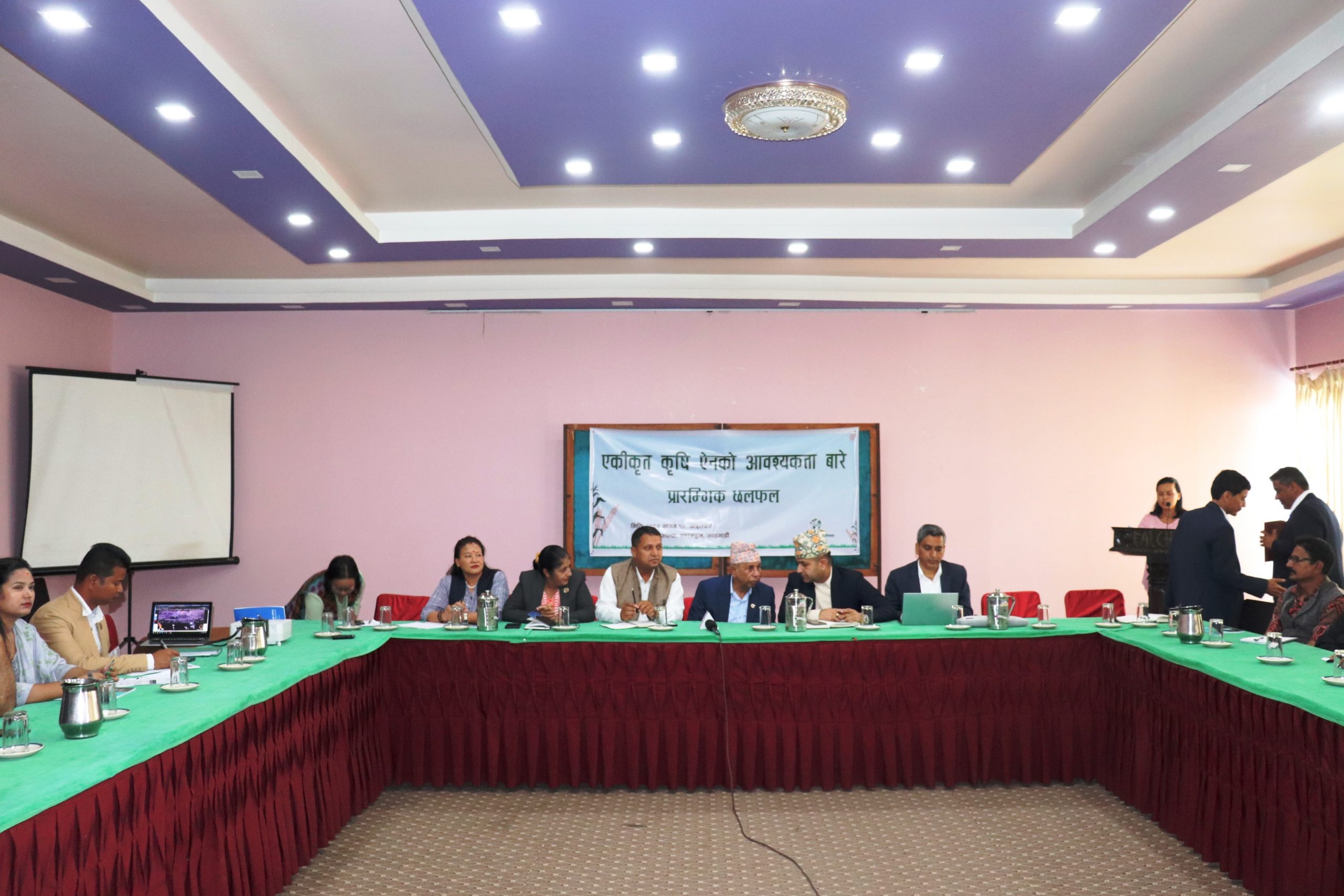
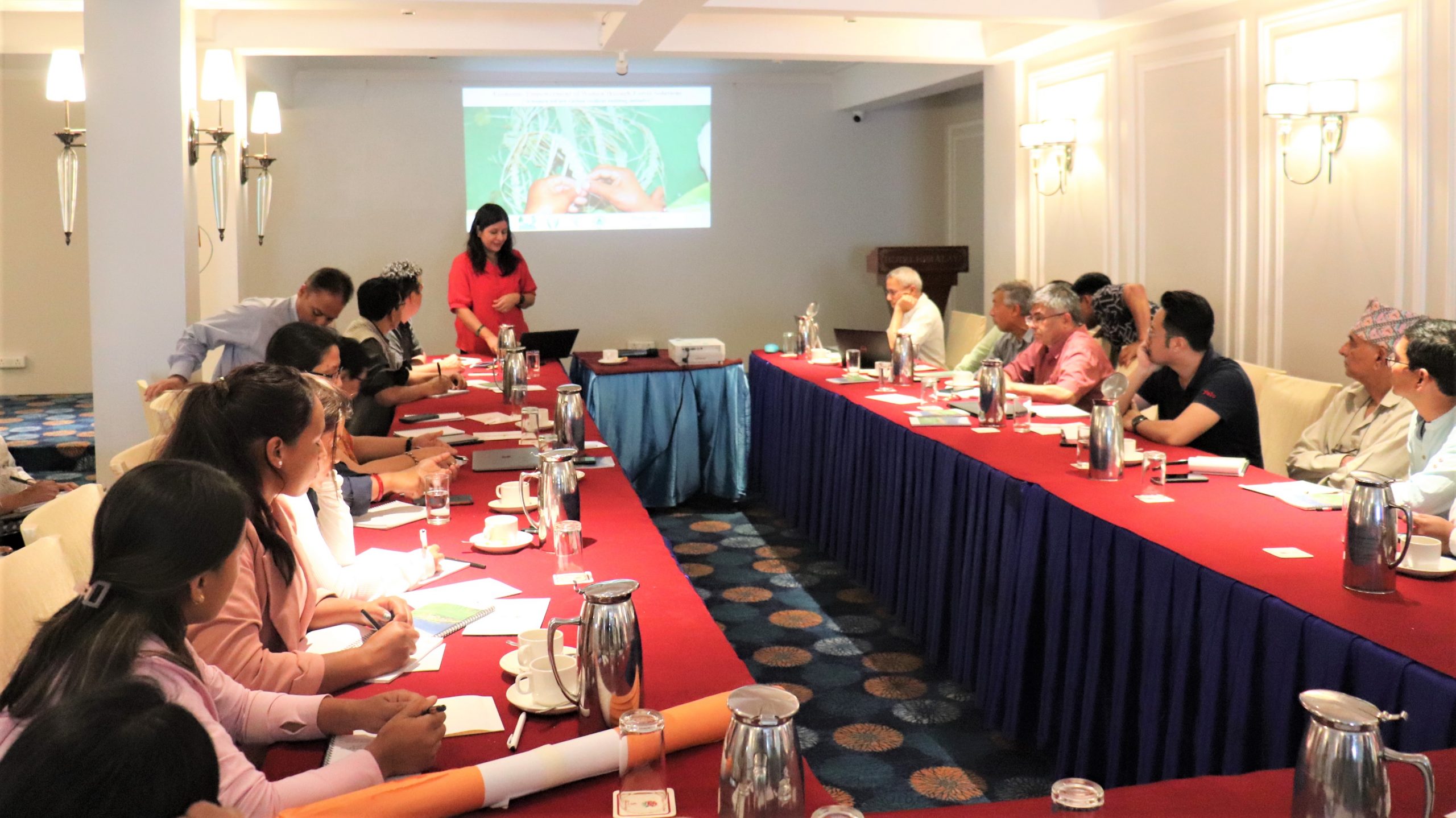
While the Government of Nepal has set the goal of achieving prosperity from forestry, the country holding 44.74% of forest area demonstrates the prospects of forest based enterprises. Along with the ambition, there are a range of challenges that have been rather discouraged in promoting community-based forest enterprises in Nepal. Community institutions are facing several challenges in the establishment and operation of forest-based enterprises. With the aim to discuss opportunities and challenges in promoting forest-based enterprises and laying out ways forward, ForestAction Nepal, in support from the Australian Government, organized a policy dialogue on “Community institutions and forest-based enterprises: Prospects of transformation” on 6th June 2023. A diverse group of actors from the government, non-government, civil society, private sector, local government among others expressed their views during the event.
Click here to download the event report

A delegation meet with Agriculture Minister to discuss forthcoming policies, programs and budget

ForestAction Nepal, the Secretariat of the Alliance of Agriculture for Food (AAF), in collaboration with other partner organizations, scheduled a delegation with Agriculture Minister Dr. Bedu Ram Bhusal in 8 May 2023 to discuss the forthcoming policy, programs, and prioritizing promotion of Agro- Ecology and sustainable agricultural development in the upcoming policy and programs deliberately in the fiscal year’s Budget. Our counterparts briefly read out the report and submitted the minute to the honorable minister.

His comments show his comprehension of the issues. He voiced his concern about irrigation becoming a significant issue in agriculture and described how its enforcement can be a key factor in Nepalese agriculture. Similarly, he concentrated on the need for conducting a campaign to promote Raithane fruits that grow in forest areas, interwoven with the agriculture sector. He believed that organic and commercial production should be supported in tandem, to maximize the collective potential.

Click here to download the meeting minutes

Discussion on contemporary issues of food and agriculture with Agriculture journalists

Forest Action Nepal, Secretariat of Alliance of Agriculture for Food (AAF), in conjunction with Association of Nepali Agricultural Journalists (ANAJ), organized a two-day discussion session (May 5–6, 2023) at Edu Farm, Lalitpur, centered on contemporary issues of food and agriculture. The program was attended by total of 30 persons, including a group of journalists reporting and writing feature stories in the realms of agriculture, food, livestock, and forest science, accompanied by the representatives from partner organizations such as Food First Information and Action Network (FIAN) Nepal, National Farmer Group Federation (NFGF), Community Self Reliance Centre(CSRC)/National Land Right Forum (NLRF) and Centre for Agro-Ecology and Development (CAED) Nepal. The programs key objectives were to inform better and engage media personnel’s for them to comprehend AAF’s work highlighting the challenges faced by the agriculture sector along with its repercussion as well as the potential responses. Furthermore, the program also sought to create a platform to exchange knowledge and support among the stakeholders.

The following were the major issues briefly discussed during the session:

– Revision of agriculture strategy and formulation of act

– Periodic plan and annual policy, program and budget

– Foreign direct investment

– Pesticide regulation policy, standards, and regulations

– Import of synthetic chemical fertilizers and release of carbon

– Global food crisis and export ban

– Land use, land distribution and barren land


Policy dialogue: Forum for discussion between the rural women entrepreneurs, policymakers and policy implementers

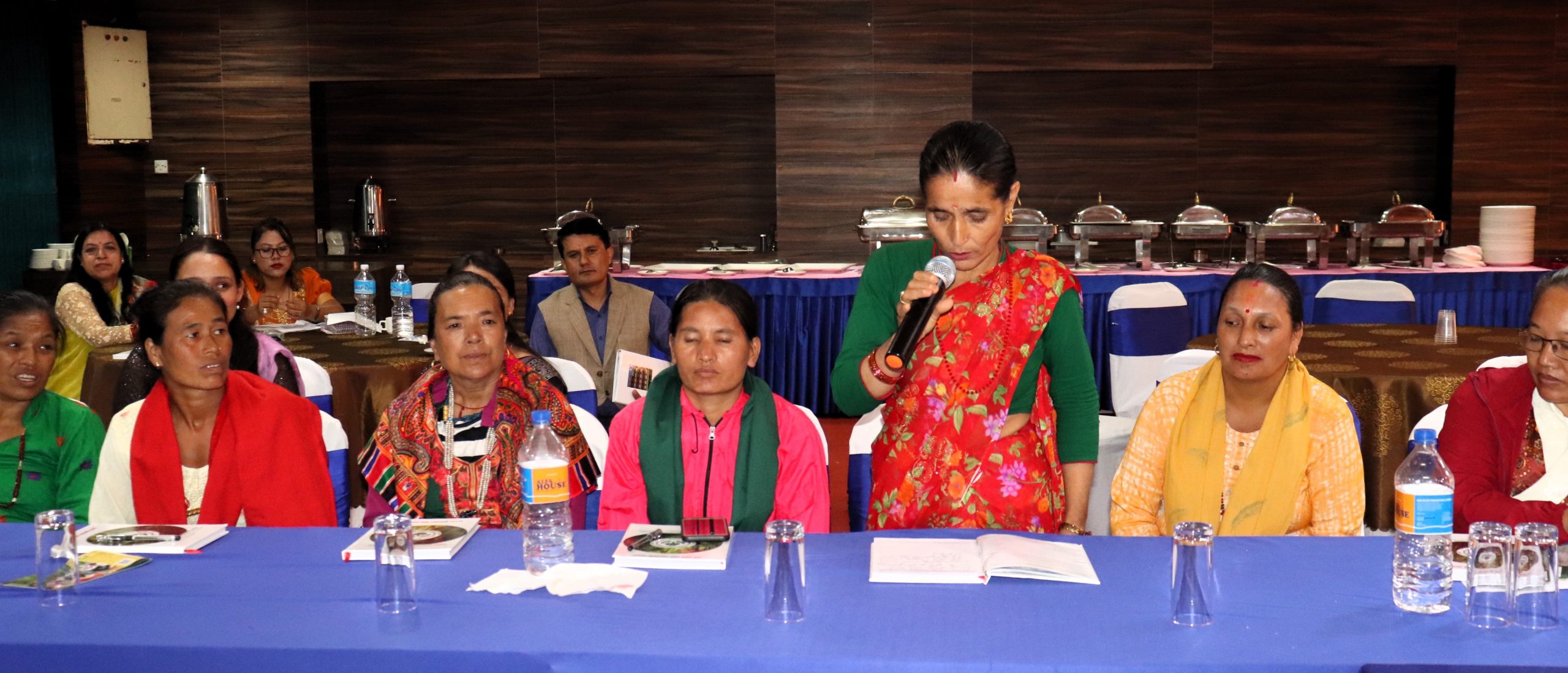
Effective and successful policy implementation in all sectors is the key to national development. In the forestry context, numerous favourable policies and laws address all the major aspects of this sector, but their implementation is a complex endeavour and is of pivotal concern. To address the policy and regulatory barriers by women entrepreneurs in accessing forest resources, Policy dialogues were organized by the project Economic Empowerment of Women through Forest Solutions in Tripura Sundari Rural Municipality-Sindhupalchok and Gaidakot and Devchuli Municipality in Nawalpur (E). The dialogues were organized to provide women entrepreneurs with a forum to discuss the issues and seek to enhance their understanding of the policies and their translation in practice.

The women entrepreneurs shared with enthusiasm all about their achievements and problems faced during enterprise development, specifically in the context of accessing the raw materials for enterprises, market issues, registration issues and many more. The Chief and representatives of the Local Government, Divisional Forest Office, Chief of District Small and Cottage Industry Office and Banks unpacked the existing gender-responsive service provisions, especially to address women’s practical and strategic needs. For example, women’s access to information, resources, services, employment, credit, programs, budget and other benefits meant for the advancement of women were discussed. The women entrepreneurs actively interacted with the officials for clarification and demanded simplification of the process. The officials responded positively and motivated the women entrepreneurs; the local government officials ensured that they would be thoughtful to include such programs and budgets in their upcoming annual plans. Furthermore, the other non-state actors such as representatives from the Association of Family Forest Owners- Nepal (AFFON) and Federation of Community Forest User Groups Nepal (FECOFUN) expressed the policy and practical hassles could be resolved through functional coordination between state and non-state actors.

At the end of the session, all the women entrepreneurs and stakeholders came to a consensus to develop a joint statement and actions on the policy gaps and commit to policy reform that could help them to continue their entrepreneur’s journey even after the project phases out.

Policy dialogue: Forum for discussion between the rural women entrepreneurs, policymakers and policy implementers

हिडाई तालिमकाे लागि आव्हान

अहिले हाम्रो सामाजिक, सांस्कृतिक, राजनैतिक तथा आर्थिक अवस्थामा व्यापक फेरबदल आएको छ । यो कुरा हामी समाजका विभिन्न तह र सामाजिक सञ्जालमा उठाइने हजारांै प्रश्नहरुबाट पनि थाहा पाउन सक्छौं । तर, यिनको सम्बोधन गर्न आवश्यक विश्लेषण गर्ने क्षमता र आलोचनात्मक चेत दुवै पर्याप्त छैन । खासगरी, हाम्रो सामान्य ज्ञान र शिक्षा पद्धतीले व्यवहारिक अभ्यासहरूबाट सिक्न प्रोत्साहित गर्न सकाको छैन । विद्यालय र विश्वविद्यालयहरूले नविनतम खोज , सिर्जनशीलता र सामाजिक जिम्मेवारी बोध भएका दृढ र जुजारु विद्यार्थी तयार गर्न सकेका छैनन् । यसले हामीलाई पुराना र असान्दार्भिक बन्दै गएका विचारको घेरा भन्दा बाहिर निस्केर भविष्यमूखी हुनबाट बञ्चित गरिरहेको छ । फलस्वरूप हामी धेरैले आफैंलाई र अन्यलार्ई प्रश्न सोध्ने वा जिज्ञासा राख्ने आँट समेत गुमाउँदै गइरहेका छौँ ।

हामी र हाम्रो समाज व्यक्तिवादी, बजारमूखि, र पैसामूखि बन्दै गएको छ । यसले हाम्रो बीच सामुदायिकता र सहकार्य खलबलिँदै गएको छ । अहिले पैसा सबैथोक भन्ने सोचाई हाबी भईरहेको छ । यसले गर्दा मानव, समाज, प्रकृति र स्वास्थ्य अवस्थाबारे उदासीनता बढ्दै गएको छ । यी चुनौतीको सामना गर्न हामीलाई वर्तमान पद्धति र विचारभन्दा उन्नत रुपान्तरणमूखि सिकाइको खाँचो छ । यो त्यतिखेर मात्र सम्भव हुन्छ जतिखेर हामी अहिलेको पद्धति, विचार र यस्तो विचार राख्ने सबैका विचार विरुद्धमा आलोचनात्मक हुन तयार हुन्छौँ । अन्य कुरासँगै अहिले खाना, खेतीपाती र पर्यावरण सबैभन्दा संकटमा छ । हाम्रो वरिपरिको वातावरण दिन प्रतिदिन बिग्रदो छ । हामीले खाने खानेकुरा झनै बिग्रदो छ । रसायन तथा विषादीको प्रयोग दिन प्रतिदिन बढ्दो छ । रसायन र विषादी विना उत्पादननै हुदैन भन्ने सोच बढेको छ ।

यस अर्थमा यो तालिम खाना, खेतीपाती र पर्यावरणको सवालमा दिर्शानिर्देश, पुर्नताजकी र फर्केर हेर्ने समिक्षात्मक ज्ञान, सिप तथा अवधारणा निर्माण गर्ने तयार गरिएको हो । खासगरी, यो तालिमले खाना, खेतीपाती र पर्यावरणका आधारभूत सवालहरूलाई फर्केर हेर्न, किसानहरुका व्यवहारिक अभ्यासबाट सिक्न र उनीहरूले गरेका असल अभ्यासहरूबाट उत्प्रेरित हुन सहभागीहरूलाई मद्दत गर्दछ ।

हिडाई तालिम बारे विस्तृत जानकारीको यहाँ  थिच्नुहोस् ।

हिडाई तालिमको आवेदन फारामको लागि यहाँ थिच्नुहोस् ।

Student Workshop on Biodiversity Conservation in Managed Natural Forests

It has been imperative to discuss and identify challenges and opportunities of biodiversity conservation in Nepal and seek ways on how conserving biodiversity in managed forest complements in achieving wider biodiversity goals while supporting local livelihood. Blending expert presentations and views along with innovative ideas of aspiring students, ForestAction in collaboration with Kathmandu Forestry College (KAFCOL) and Institute of Science and Technology (IOST) organized an interaction program to discuss the significance and needs of biodiversity conservation in natural managed forest. Students were provided with the opportunity to present their project work on various issues of biodiversity conservation in anthropogenic landscapes, followed by discussion.

The Director General (DG) of DNPWC, Dr. Maheshwar Dhakal, Dr Srijana Baral and Dr. Lila Nath Sharma from ForestAction were among the speakers in the program. Professor Emeritus Dr RP Chaudhary delivered his remarks on the need for biodiversity conservation and urged young professionals to take the lead in the conservation field. Likewise, Prof Dr Bharat Babu Shrestha commented on students’ project work and shed light on integrating conservation and production on managed forest.

Over 110 Masters Student and early career researchers from 12 different institutions were present during the program. The program was part of Darwin Initiative UK funded project “Linking Science to Management: Restoring Community Forests in Nepal”.


Workshop on plant resource strategy and research prospects

ForestAction Nepal and Department of Plant Resources (DPR) jointly organized a two-day workshop (24-25 March, 2023) to discuss the future prospects of research on plant resources in Nepal. The workshop was chaired by Dr. Radha Wagle, Director General of DPR and attended by senior officials from Ministry of Forest and Environment, researchers from DPR and faculties from Tribhuvan University. Dr Tirtha Bahadur Shrestha and Professor Emeritus Dr Ram Prasad Chaudhary provided critical input on the plant resource strategy prepared by DPR.

Drawing from the Jalthal biodiversity project Dr. Lila Nath Sharma highlighted research opportunities in plant science and biodiversity in Nepal. Likewise, Dr Uttam Babu Shrestha emphasized on the global and national scenario of research priority to achieve global biodiversity goals and contribution to human well-being. Broader discussion on various aspects of plant research in Nepal highlighted the need for better collaboration among stakeholders and effective communication of research results to wider audiences.


Environment and Biodiversity Conservation Leadership Training

ForestAction Nepal organized a week-long (11-16 Feb 2023) training program on Environment and Biodiversity Conservation Leadership in Chitwan. The training was aimed at developing leadership among future leaders on contemporary environmental issues. The training discussed various aspects – causes to impacts, of biodiversity loss, climate crises and environmental pollution. Participants were provided with the most updated information on development, conservation and human right related issues. The training was successful in providing some critical perspectives and insights on the complex relationship between development biodiversity conservation, human rights and environmental crises.

20 different experts from academia and development and conservation organizations delivered the training in the form of interactive lectures, project work, exposure visits and panel discussions. 23 participants, two thirds of which were women, between the ages of 22-30, from various parts of Nepal and from various academic backgrounds participated in the training. The program was part of Darwin Initiative UK funded project “Linking Science to Management: Restoring Community Forests in Nepal”.


Orientation on Diverse Perspectives of Climate Change

The Project Economic Empowerment of Women through Forest Solutions (WEE-FS), IDRC funded project intends to achieve gender equality in the low-carbon world by developing low-carbon enterprise models and enhancing women’s capacity to adapt to the adverse impacts of climate change. One-day orientation was organized on the theme of diverse perspectives of climate change to understand the global and national discourses on climate change adaptation, enhance staff’s understanding of the impacts of climate change on women and marginalized communities, and the significance of adopting low-carbon technology for climate mitigation and adaptation. Mr. Rahul Karki, Executive Coordinator-ForestAction Nepal welcomed the participants. The program was coordinated by Srijana Baral and Ms. Aarati Khatri moderated the program and introduced the speakers.

 The first session on Global discourses on Climate change was presented by Mr. Manjeet Dhakal, Head of LDC Support Team | Director, South Asia Office. He sparked the brief discussion on Climate change discourses and Nepal’s responses to the global discourses (NAPA, NAP, LAPA, NDCs, Loss and damage, Climate change from a historical perspective, representation on international platforms like UNFCCC and COP and more on what science tells about climate change.

The second session was on the Differential impacts of climate change. Ms. Dibya Devi Gurung, Gender, Diversity, Social Inclusion, and Natural Resource Management Specialist. Board Member, Green Peace South Asia, shared her experiences of differential impacts on women, indigenous communities, and participating and non-participating groups. She emphasized inter-sectional and intra-sectional analysis for addressing the impacts of climate change.

Finally, Dr. Radha Wagle, Director General, Department of Plant Resources shared her exemplary journey in representing Nepal on international platforms, her struggles and contribution in shaping major documents like NDC, NAPA, LAPA preparation, mainstreaming gender in the Forestry sector, Nepal’s position on the climate agenda, Climate change issues in policies and plans, Nepal’s negotiations in COPs- experiences and many more.

The event was concluded with a vote of thanks from Dr. Naya Sharma Poudel, Environment, and Governance Specialist.

Enhancing gender relationship at home and workplace

ForestAction Nepal, with its consortium partners AFFON, FenFit, and HIMAWANTI Nepal, hosted a two-day training on the theme “Enhancing gender relationship at home and workplace” as part of the project Economic Empowerment of Women Through Forest Solutions, funded by IDRC, Canada. This training aimed to develop self-awareness for building mutual support and cooperation by appreciating each other’s attributes for improved prosperity, wellbeing and happiness. The goal was to enable the project staff conduct “couple training” on ground through fun and mutual realization. The training was a response to the demands received from women entrepreneurs, as their common opinions echo their desire to train their husbands and in-laws so that they can articulate the gender issues at the same wave with them. Hence, the participants are expected to apply the learning and techniques in the field.

The training strengthened understanding of the participants on gender sensitive communication, gender needs, and gender analysis with an aim to enhance capacity of project staff on gender transformative approach in interventions. The entry session on reflection on the socialization processes shaping gender stereotypical roles motivated the participants at a higher level to establish “gender as a social construct”, which needs strategic structural transformative approach to reform. The training included several intensive reflective sessions and discussions about different ways to help the women entrepreneurs shape, frame, and ease their communication for obtaining support for enterprise development.

The key aspect of family relationship lies on better understanding and appreciation of each other’s needs and interests. The most interesting session was on “I know her/him” which included couples’ testing of each other’s knowledge/sensitivity about his/her partner. The session intended to build a happier family relationship. The learnings from this training are expected to be used for sensitization of the couples on different arenas of the socialization processes of the women entrepreneurs of the project. Besides, the training encouraged the participants, including the couples, to articulate the potential positive impacts on their household prosperity and wellbeing through a harmonious, supportive environment for enterprises. Overall, the training helped the participants to increase their self-awareness, strengthen gender competency to use the learnings through gender lens in different intervention of the project.

Fourth National Gathering: Indigenous Peoples and Community Conserved Areas (ICCA) in Nepal

ForestAction Nepal, together with its conglomerate partners, ICCA Network Nepal and ICCA Youth Network Nepal, hosted the Fourth National Gathering, which was attended by individuals from 27 different sites representing different cultures and ethnic backgrounds at Nakkhu, Lalitpur. The gathering was a part of a larger effort to document and promote Indigenous Community Conserved Areas (ICCAs) in Nepal.

In addition to empowering indigenous people, this 2-day (March 25-26, 2023) event facilitated intercultural dialogue and collaboration, as well as share experiences, best practices, and strategies for protecting and preserving their local environments. It also served as an opportunity to showcase the work of ICCA Network Nepal and ICCA Youth Network Nepal in advocating and safeguarding the indigenous people’s rights.